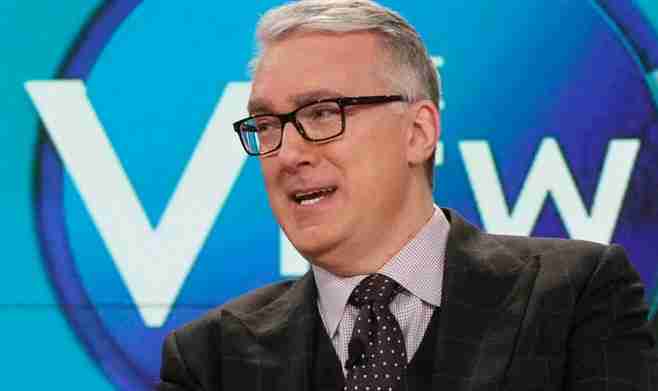
Bitter Keith Olbermann “Needs Serious Help,” Former Colleagues Warn as Broadcaster’s Behavior Draws Alarm
Keith Olbermann, once a prominent voice at ESPN and MSNBC, faces mounting concern after a series of incendiary social-media posts and deleted threats. Former colleagues warn his behavior appears increasingly isolated, volatile and troubling to peers.
Key takeaways
- Former colleagues and media commentators say Olbermann has grown isolated and prone to incendiary posts and personal attacks (Behavior Podcast).
- Recent deleted post: In September 2025 Olbermann posted — then deleted — what appeared to be a threat at CNN analyst Scott Jennings: “You’re next, motherf**ker.” (reported by KFI AM 640).
- Contributing factors noted by observers include social media’s rage-amplifying dynamics and Olbermann’s social isolation (Behavior Podcast; KFI AM 640).
Recent incidents and Olbermann social media conduct
Several high-profile episodes have returned Keith Olbermann to headlines. Most recently a post aimed at CNN analyst Scott Jennings that read “You’re next, motherf**ker” was shared on X and later removed, prompting renewed criticism and concern over threats issued online by a veteran broadcaster (KFI AM 640).
This incident is part of a longer pattern of caustic exchanges and insults on social platforms. Coverage documents confrontations with athletes, media executives and political figures — including 2023 on-air comments about basketball player Angel Reese that led to a public rebuke from Shaquille O’Neal — and other posts attacking media outlets and personalities with language many consider hateful and personal (Behavior Podcast).
Ex-colleagues’ warnings: isolated, volatile, alarmed
Former colleagues and media insiders tell Times Media Service they are increasingly alarmed by Olbermann’s conduct. Multiple sources characterize his public behavior as more isolated and emotionally volatile, with some saying the pattern reads less like routine partisan commentary and more like personal deterioration (Behavior Podcast).
“The recurring theme from podcasts and media conversations is that Olbermann’s tone and tactics have shifted from sharp commentary to what many call ‘deranged’ or irrational attacks,” one observer summarized.
Threat language and legal, ethical questions
The use of apparent threat language raises legal and ethical questions about broadcaster responsibility. Legal experts note that intent, context and clarity are crucial when assessing whether speech crosses into criminal threats; prosecutors typically must demonstrate a credible intent to harm to pursue charges.
Ethically, newsrooms and platforms face pressure to police violent or threatening language — even from prominent figures. In Olbermann’s case the deleted nature of the post complicates efforts to document the incident while leaving many who saw it feeling threatened (KFI AM 640).
Contributing factors: social media, isolation, amplification
Observers point to social media as a major driver. Platforms like X reward short, emotion-driven reactions that can escalate into sustained feuds and extreme language. The fast pace and engagement incentives can push even seasoned broadcasters into reckless posts (Behavior Podcast).
Personal isolation is another recurring theme. Reviews of Olbermann’s public life note he is unmarried, has no children and spends substantial time online — circumstances that can remove moderating influences and allow grievance and anger to echo unchecked, according to media critics and psychologists cited in coverage (Behavior Podcast).
Media reaction and broader debate
Outlets and commentators across the spectrum have documented Olbermann’s most inflammatory moments. Some view his trajectory as a warning about the corrosive effects of outrage-focused media and a symptom of broader polarization in American discourse (Behavior Podcast).
Others emphasize the human side, urging attention to mental health and calling for help rather than punitive shaming. The debate also touches newsroom norms: once celebrated for sharp critique and expertise, Olbermann now finds many former allies uncomfortable as the tone shifts toward personal attacks.
Implications for Las Vegas, Nevada
Economic and business impact: Las Vegas’ local media market and tourism-reliant economy could feel ripple effects. Stations and producers that book national pundits may face advertiser and viewer pressure to avoid incendiary guests, and event promoters might tighten booking policies.
Political consequences: National controversies filtering into local discourse can heighten tensions before city and state elections. Local leaders and candidates may point to the episode in debates over media responsibility, online threats and civil discourse.
Social effects: The normalization of angry, threatening language online can worry civic groups, schools and community organizations. The controversy may spur nonprofits and mental-health providers to increase public messaging about online harassment and resources for those affected.
Cultural relevance: Las Vegas values bold personalities, but residents and local hosts will likely continue debating where bold commentary crosses into abuse and harmful rhetoric.
Practical applications for residents: Report threats and harassment online, support local resources addressing online bullying, and review booking and moderation policies for media, advertising and events. Mental-health groups may use the controversy to publicize counseling and support lines.
Sources and verification
- Report on the apparent threat to Scott Jennings: KFI AM 640.
- Broader analysis of Olbermann’s confrontational posts, peer reactions and social-media amplification: Behavior Podcast.
Reporting note
This article relies on recent public reporting and analysis tracking Keith Olbermann’s public posts and reactions from former colleagues and commentators (Behavior Podcast; KFI AM 640). Times Media Service reached out to representatives for Keith Olbermann for comment; at the time of publication no response was received.