DHS criticizes NBC Bay Area for omitting alleged criminal history of San Jose detainee
Lede: DHS Assistant Secretary Tricia McLaughlin publicly faulted NBC Bay Area for failing to disclose the alleged criminal history of Gerardo Rojas-Leyva, a 42-year-old Mexican national arrested in San Jose, saying omitted charges include child-sex offenses and felony reentry after deportation.
- Who: Gerardo Rojas-Leyva, 42, a Mexican national arrested in San Jose.
- What: DHS Assistant Secretary Tricia McLaughlin condemned NBC Bay Area for not reporting Rojas-Leyva’s criminal history in its initial coverage.
- Why it matters: DHS says omitted details include alleged child-sex offenses and felony reentry after removal — information it views as relevant to public understanding.
- Sources reporting DHS criticism: The National Pulse, Slay News, Resist The Mainstream and BizPac Review.
What DHS says and how it was reported
Public criticism: DHS Assistant Secretary Tricia McLaughlin used the social platform X to sharply criticize NBC Bay Area’s initial report on Rojas-Leyva’s arrest, according to reporting by The National Pulse and BizPac Review.
McLaughlin’s claim: She said the station described the suspect as an “undocumented father” while omitting a lengthy criminal record. The outlets quoted McLaughlin as saying the omitted records included convictions and serious charges.
Charges McLaughlin listed, as reported:
- Lewd and lascivious acts with a child (age 14–15)
- Battery of a spouse
- Domestic battery
- Providing compensation for prostitution
- Felony reentry after removal
McLaughlin accused the station of presenting the arrest in a way that would garner sympathy for Rojas-Leyva while leaving out what she characterized as “the truth,” according to the cited reports.
NBC Bay Area’s coverage and the omitted details
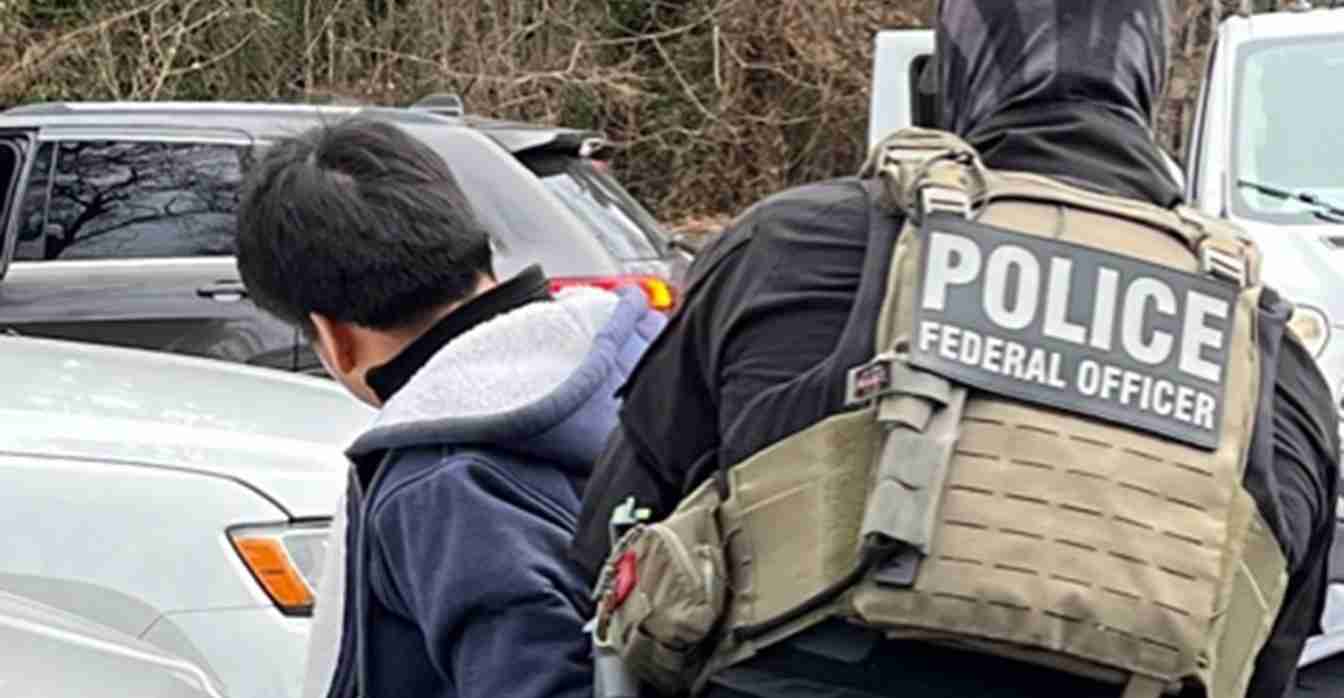
NBC Bay Area’s original segment included family interviews and surveillance footage of federal agents taking Rojas-Leyva into custody as he left his home for work in San Jose. The station’s reporting framed elements of the story around the family’s claims that the arrest was frightening and heavy-handed.
DHS and critics argue those reports did not inform viewers about the suspect’s prior criminal history. Reporting on the DHS statement was carried by outlets including The National Pulse and Slay News, which said NBC Bay Area had not updated or corrected the piece as of Oct. 30, 2025.
Context: immigration enforcement and media scrutiny
The dispute arises amid heightened attention to immigration enforcement. The Department of Homeland Security under the current administration has emphasized removing noncitizens with criminal records and spotlighted cases of alleged re-entry after deportation.
Competing perspectives: Media critics say focusing on family reactions or labeling a detainee an “undocumented parent” can obscure public-safety context. Defenders argue journalists must show human consequences and may lack verified public records at the time of on-the-scene reporting.
San Jose arrest details
Federal agents detained Rojas-Leyva as surveillance cameras captured him leaving his residence for work. Footage and family interviews were central to NBC Bay Area’s segment, which framed the event as an immigration arrest that alarmed a local family.
DHS officials later said the arrest was part of enforcement of prior removal and reiterated that Rojas-Leyva’s record included offenses that, the agency argued, should have been disclosed to provide fuller context to viewers. These assertions were reported by The National Pulse and Slay News.
How the debate is playing out online and in newsrooms
The exchange between DHS and NBC Bay Area has unfolded largely on social media and among opinion-oriented outlets that monitor media bias. Supporters of the DHS critique cite McLaughlin’s posts to argue mainstream outlets sometimes humanize suspects without full background checks.
Opponents counter that local reporters may not have had access to verified court records when producing family-focused segments and that showing community impact is a legitimate journalistic aim.
Implications for Las Vegas, Nevada
Economic impact: Coverage emphasizing criminal records can influence perceptions of public safety in tourism-dependent Las Vegas, affecting visitor confidence and worker recruitment in hospitality sectors.
Political consequences: The DHS critique and debate over San Jose media choices could be used in Nevada political discourse to argue for either tougher immigration enforcement or better reporting standards and transparency.
Social effects: Highlighting individual immigrants’ alleged criminal records can strain relations between immigrant communities and law enforcement, while also prompting calls from victim advocates for clearer communication and enforcement.
Practical steps for local stakeholders:
- Newsrooms should strengthen procedures for checking public records before airing human-interest arrest pieces.
- Community groups and city agencies can prepare guidance so residents access accurate public information without relying solely on social posts or partisan outlets.
Reporting and sourcing notes
The details of DHS’s criticism and the list of alleged offenses attributed to Rojas-Leyva are drawn from public posts cited by the outlets listed below. The accounts were published predominantly by outlets critical of mainstream media; direct statements from NBC Bay Area and public court records were not cited in those stories as of Oct. 30, 2025.
Verification recommendation: Given the seriousness of the allegations, public records, court filings and official statements remain the primary documents journalists should consult to confirm specific charges and convictions.
Sources and further reading
- The National Pulse: DHS calls out NBC for framing ‘pedo’ migrant as ‘undocumented father’
- Slay News: NBC News caught hiding illegal alien’s horrific criminal history in arrest story
- Resist The Mainstream: NBC News affiliate shredded over coverage after DHS drops chilling truth bomb
- BizPac Review: DHS calls out NBC affiliate for failing to disclose arrested illegal’s criminal history
Note: This article summarizes the DHS criticism and subsequent reporting. The specific criminal-history details cited here are taken from the DHS statements as reported by the outlets above. Direct public records, court documents or official statements from NBC Bay Area were not provided in those reports as of Oct. 30, 2025. Journalists seeking to verify charges should consult court records and official DHS releases.