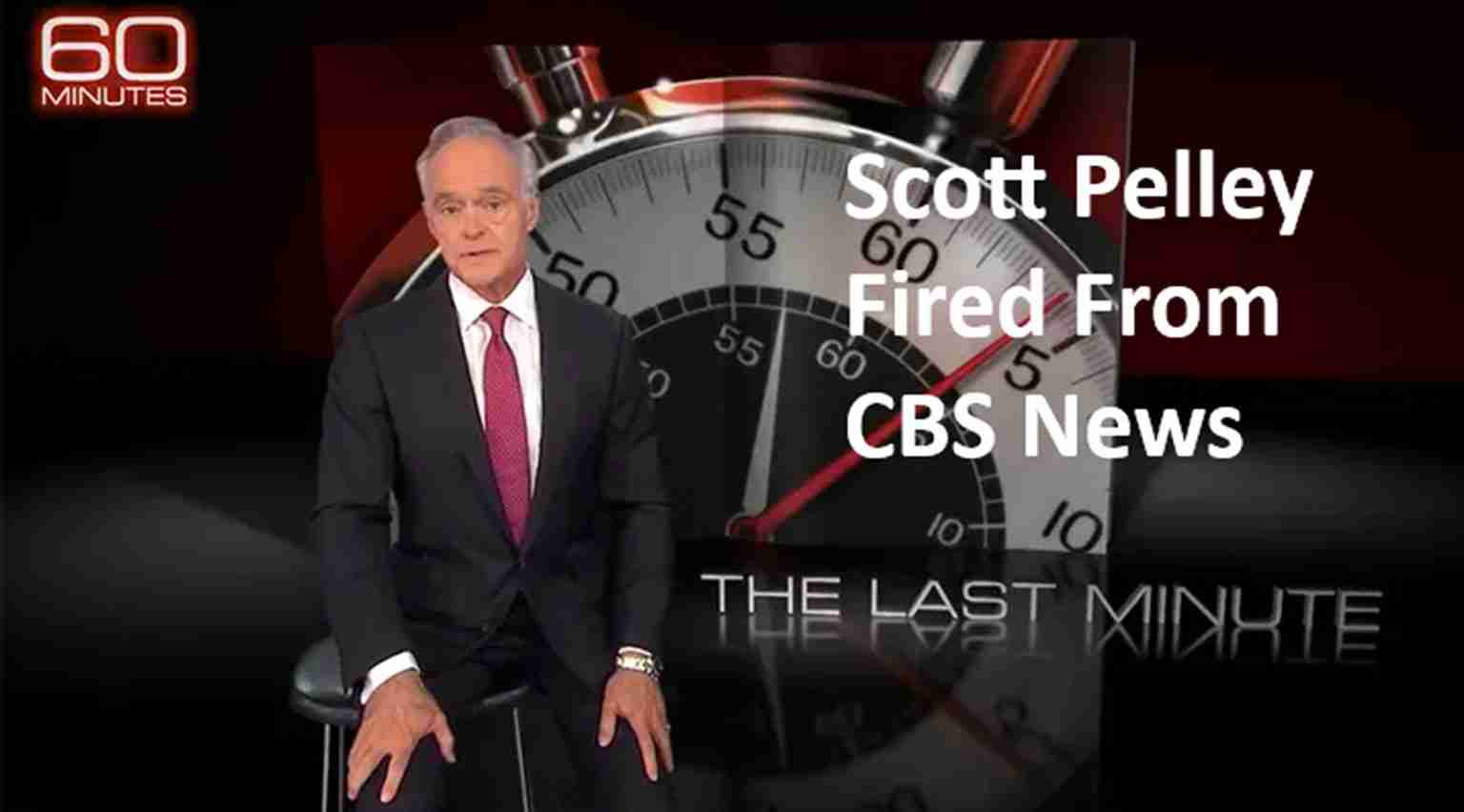
Claims that Scott Pelley was fired from 60 Minutes and accused of “stolen valor” don’t stand up to scrutiny
Reports said Scott Pelley was fired from CBS’ 60 Minutes over disputes involving Bari Weiss, Nick Bilton, and alleged “stolen valor.” A review of credible reporting shows those claims mix fact and speculation and lack corroboration.
Key takeaways
- Verified career facts: Scott Pelley is a long‑time CBS journalist and 60 Minutes correspondent who has reported from Iraq and Afghanistan (Fox News background piece).
- No corroborated firing tied to Bari Weiss or Nick Bilton: mainstream outlets reporting on internal CBS meetings do not confirm the viral timeline or those leadership claims (network coverage excerpt).
- “Stolen valor” framing is unverified: the exact quoted boast about being “in combat” cited in social posts has not been substantiated by major outlets (Fox News background piece).
Main content
What is verifiable about Scott Pelley and 60 Minutes
Scott Pelley joined CBS News in 1989, anchored the CBS Evening News from 2011 to 2017, and later returned as a full‑time correspondent for 60 Minutes. He has reported from conflict zones, including Iraq and Afghanistan, and has publicly discussed the risks of that reporting. These career facts are documented in profiles and network biographies (Fox News background piece).
Mainstream coverage of internal tensions
Multiple outlets covered a tense staff meeting inside CBS where correspondents questioned leadership decisions at 60 Minutes. Video summaries and reporting emphasize editorial disputes and staff concerns about the show’s direction — not a confirmed firing tied to Bari Weiss or Nick Bilton. See a TV summary of those reports for context (TV news segment).
Claims and details not supported by credible sources
Social posts and commentary threads include several specific assertions that do not appear in mainstream reporting:
- Bari Weiss as CBS News editor‑in‑chief: No reliable reporting confirms she has been installed in that role; the claim appears to originate in opinion and speculation (Fox News background piece).
- Nick Bilton as new 60 Minutes executive producer: mainstream outlets do not identify Bilton as occupying that position.
- Pelley fired on a recent Tuesday: major outlets reporting on internal disputes do not corroborate a termination in the manner described in viral posts.
- Quoted NYT line and stolen‑valor framing: we find no trace in The New York Times or other high‑profile outlets of the exact quotation being published as a decisive source of controversy; Pelley is documented as a civilian correspondent who has reported from war zones, not as a military combatant (Fox News background piece).
Why this narrative spread and how it likely formed
The viral account reads like a mashup of true elements, speculation, and recycled scandal templates:
- It combines real figures (Pelley, Weiss, Bilton), genuine newsroom tensions, and unverified claims about firings and appointments.
- It borrows the template of the Brian Williams controversy — where an on‑air claim about being under enemy fire led to suspension — and superimposes that pattern onto Pelley. For context on Williams’s suspension, see contemporaneous reporting (contemporaneous media coverage).
- Social media and partisan commentary amplify provocative wording; phrases like “stolen valor” spread quickly but often lack independent verification.
What Pelley actually did and what “being in combat” means for journalists
Journalists often report from active combat zones, and frontline or embedded reporting can expose civilian correspondents to enemy fire and other dangers. That exposure is real and routinely described in reporters’ accounts.
“Being in combat” has a distinct meaning for military service; accusations of “stolen valor” refer to falsely claiming military service or decorations. Responsible reporting distinguishes frontline civilian reporting from serving as a combatant.
In Pelley’s case, the verifiable record shows he is a civilian correspondent who reported from war zones, not a member of the armed forces claiming military service (Fox News background piece).
CBS’s public response and newsroom context
When accusations about bias or improper influence surface, CBS representatives framed disputes as editorial push‑and‑pull rather than evidence of outside control. In accounts of the internal meeting, network spokespeople denied political interference from ownership and described heated editorial arguments as part of routine newsroom dynamics (Fox News background piece).
Implications for Las Vegas, Nevada
Economic impact
- Local TV advertising and viewership: national headlines can briefly spike interest, but because these allegations are unverified, long‑term economic effects on Las Vegas affiliates or advertisers are likely minimal.
Political consequences
- Trust in news institutions: viral claims about media misconduct can deepen distrust among moderate and independent voters; local leaders may use or reject such headlines in campaign messaging.
Social effects
- Veteran community reactions: Las Vegas has a large veterans population; even unverified “stolen valor” claims can prompt calls for clarification from veterans’ groups.
Cultural relevance
- Media literacy: this episode highlights the need for readers to verify dramatic claims across multiple reputable sources before accepting national headlines.
Practical applications for residents
How to assess similar claims:
- Check trusted outlets (AP, NYT, CNN, local CBS affiliate) for corroboration.
- Look for official statements from networks or the correspondent.
- Confirm whether multiple independent outlets report the same facts.
Who to contact locally:
- Veterans groups, media ethics centers at Nevada universities, and the local CBS affiliate newsroom can provide context or respond to concerns.
Sources and further reading
- Fox News opinion background on tensions at 60 Minutes and Pelley’s career
- TV news segment summarizing reporting about the internal CBS meeting
- Contemporary reporting on the Brian Williams suspension
If you’d like, I can trace any later, independently verified developments, assemble a short fact sheet Las Vegas newsrooms can use, or draft a local‑angle Q&A for veterans groups and news consumers.