BBC director-general Tim Davie and UK news chief resign after BBC Trump speech editing scandal
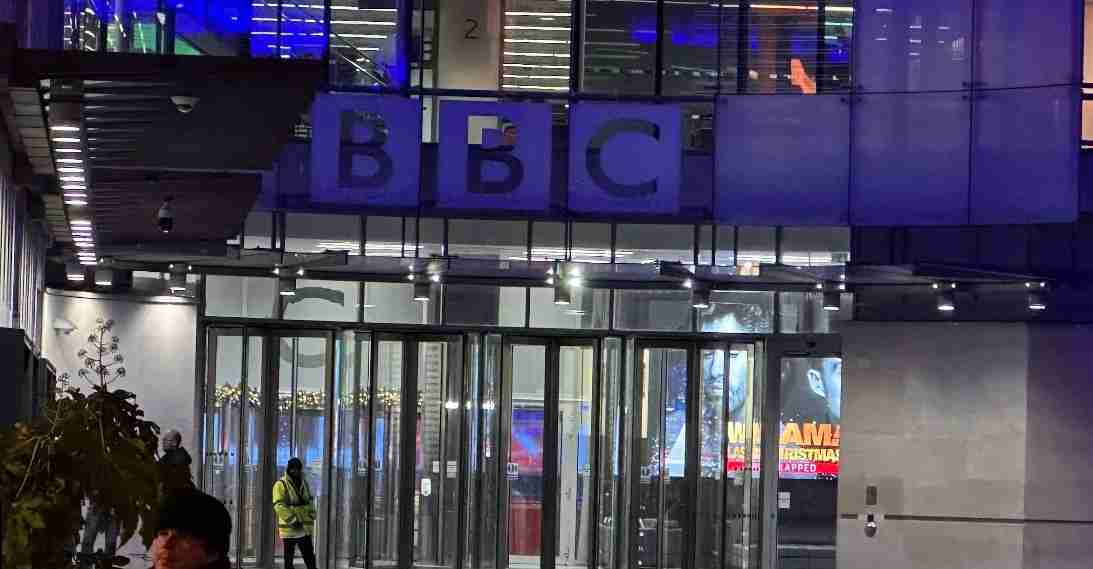
BBC Director‑General Tim Davie and the broadcaster’s UK news chief resigned after a Panorama edit of former President Donald Trump’s January 6 speech ignited intense public and political backlash over claims it misleadingly altered his remarks.
Key takeaways
- What happened: Panorama edited two separate portions of Trump’s January 6 speech, omitting a line urging supporters to “peacefully and patriotically make your voices heard,” which critics say changed the quote’s meaning.
- Immediate fallout: Under mounting criticism Tim Davie resigned and the BBC’s UK news chief also stepped down amid calls for accountability and greater transparency.
- Political reaction: Public figures, including Trump press secretary Karoline Leavitt, condemned the broadcaster — calling it “100 percent fake news” — intensifying debate over perceived media bias.
- Local angle: The episode prompted guidance for Las Vegas and Nevada newsrooms on verification, transparency, and media literacy.
Main content
What the Panorama edit shows and why critics say it matters
The Panorama segment combined two separate excerpts of former President Donald Trump’s January 6, 2021 remarks. Critics say the edit removed the line urging supporters to protest “peacefully and patriotically” and placed remaining phrases together so viewers could reasonably infer a call to violence.
Journalistic standards require accurate representation of source material; omitting a key line can materially change a quote’s meaning. Supporters of the Panorama production team argue the program aimed to summarize complex events, not to mislead.
Reporting and immediate coverage of how the edit was assembled are available in a video report that has been cited by several outlets.
Resignations and internal accountability
Tim Davie framed his resignation as a step to restore trust after a high‑profile editorial lapse. The BBC’s UK news chief also stepped down, though initial reports did not publish an exact departure date. Inside the broadcaster, staff and commentators questioned editorial oversight, review layers, and whether standards were consistently applied.
Media watchdogs and politicians demanded a full accounting, including release of internal review findings and the raw footage used by Panorama producers, to allow independent assessment of whether the edits materially altered meaning.
Political backlash and public reaction
The edited segment prompted swift public and political reaction. Opponents of the BBC described the edit as evidence of political bias; supporters cautioned against hasty conclusions without a full public accounting. On social media, figures aligned with former President Trump amplified criticisms.
Karoline Leavitt, Trump’s press secretary, labeled the broadcaster “100 percent fake news”, a phrase that intensified debate over media trust and impartiality.
The primary public account summarizing the developments is available in a video coverage cited across reports.
Media ethics and the wider debate
The incident revived a broader discussion on editorial responsibility, transparency, and trust. Advocates urged clearer checks on editing decisions, transparent corrections, and independent reviews when public trust is at stake. Critics warned that symbolic leadership changes might not address deeper structural issues.
Journalism experts called for the BBC to publish a full account of the editorial process behind the Panorama episode, including how clips were selected and who signed off on the final cut, so that lessons can be learned and applied across newsrooms.
BBC response and transparency questions
At the time of initial reporting, no comprehensive public statement detailed the internal review or a precise timeline for the resignations. That absence of a full, dated public reply intensified calls for transparency, with requests for internal memos and unedited footage so outside reviewers could independently assess the edits.
Without a detailed official account, much of the public debate relied on secondary reporting and interpretation, which contributed to polarization. Readers can view the primary footage referenced by many reports in the video analysis.
Implications for Las Vegas, Nevada
While the scandal’s direct economic impact on Las Vegas is limited, it carries potential indirect effects on the local media market and civic discourse.
Economic impact
Local outlets that rely on international feeds may face higher verification costs, and public broadcasters might review editorial safeguards to avoid similar controversies.
Political consequences
In Nevada — a swing state — the episode may be used by political operatives to argue for or against media regulation, oversight, or public media funding changes. Urban moderate voters may welcome resignations while still demanding transparent review.
Social effects
For Las Vegas residents who consume a mix of national outlets and social platforms, the episode underscores the need for verification and media literacy. Community organizations may expand efforts to teach how to spot edited or misleading content.
Cultural relevance
The scandal raises questions about how national narratives reach local audiences. Perceived bias in media coverage can deepen cultural divides and erode trust in institutions, prompting calls for dialogue and public forums.
Practical applications for local newsrooms and residents
- Re‑check international segments or clips for context and completeness before publication.
- Increase transparency about edits, including brief notes when material is shortened or clarified.
- When feasible, publish raw clips to let audiences judge context for themselves.
- Promote media literacy workshops through libraries, colleges, and community centers.
How Nevadans are likely to respond
Urban moderate readers in Las Vegas typically favor balanced coverage and clear evidence. They may view resignations as necessary accountability but will also press for transparent, documented reviews rather than symbolic gestures alone. Civic leaders and journalists are likely to demand concrete editorial reforms.
Sources and further reading
Reporting and video analysis of the Panorama edit and subsequent resignations are available in the cited video report. The episode continues to unfold as newsrooms and public figures press for transparency and reform.