Noem criticizes CBS for naming ICE agent as debate intensifies over Renee Good shooting
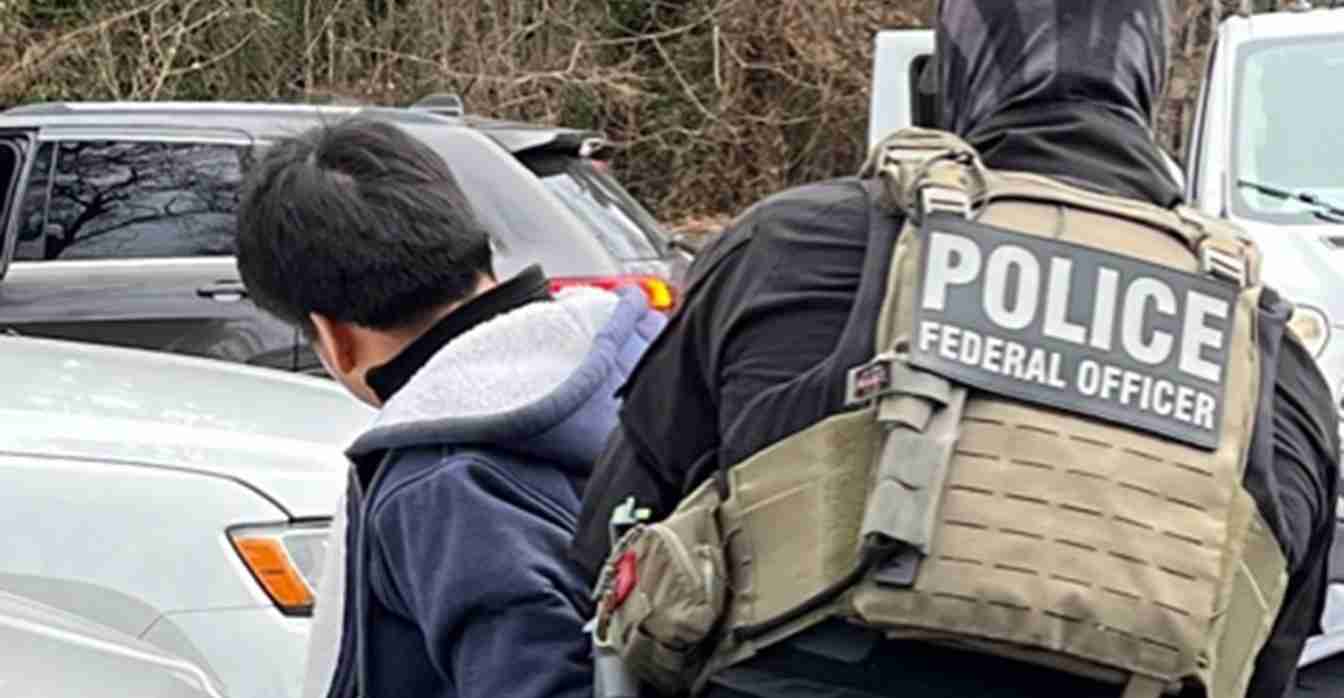
DHS Secretary Kristi Noem publicly urged restraint after CBS named ICE agent Jonathan Ross, who fatally shot Renee Good in Minneapolis on Jan. 7, 2026, warning that publishing his name could lead to doxxing amid rising threats.
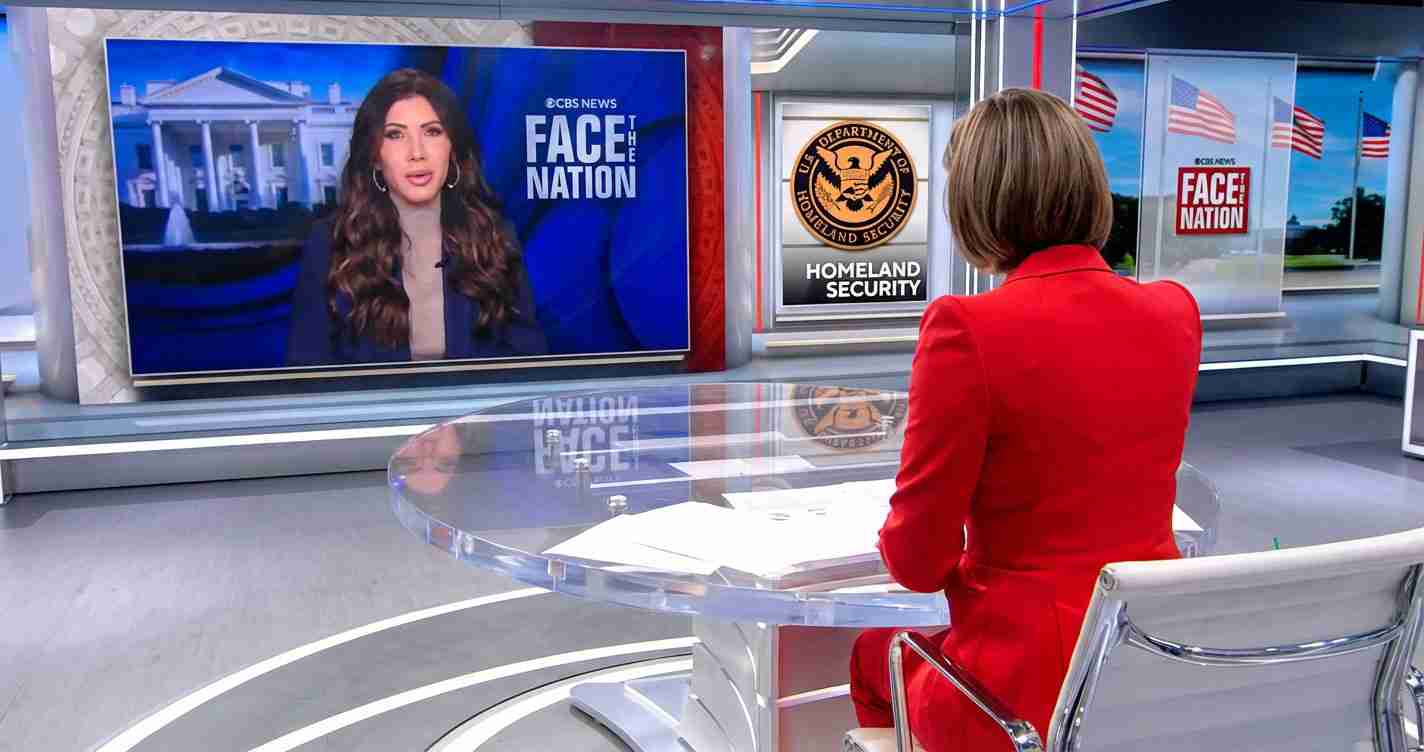
- Noem pushed back on CBS host Margaret Brennan during a televised exchange, saying, “Don’t say his name.”
- CBS reporting detailed the agent’s injuries and status after the Jan. 7 shooting; issues around naming stem from court records and local reporting rather than a federal release — see CBS News and the Killing of Renee Good summary.
- Public safety vs. transparency debate sharpened as officials cite surging threats while journalists note standard practice of using public records and court filings.
- Local impact: Las Vegas leaders are monitoring possible economic, political and social effects and considering changes to protest, medical and reporting protocols.
What happened in Minneapolis
On Jan. 7, video shows 37‑year‑old Renee Good driving on a Minneapolis one‑way street before a confrontation with ICE agents. Footage indicates the car briefly reversed, then moved forward and turned away from an ICE officer; Agent Jonathan Ross fired through the windshield and later through the driver’s window. Good was found unresponsive and later died from three gunshot wounds. First responders noted a faint pulse minutes after the shooting and she was pronounced dead at Hennepin County Medical Center.
Relevant coverage and footage include a public video of the incident, reporting on the emergency response and on the compiled public record summarized in the Killing of Renee Good entry.
The CBS interview exchange
The naming dispute unfolded during a televised interview between CBS News host Margaret Brennan and DHS Secretary Kristi Noem. Brennan referenced reporting that the agent had internal bleeding and had been released the same day, asking whether he had returned to work. Noem answered sharply:
“Don’t say his name. I mean, for heaven’s sakes, we shouldn’t have people continue to dox law enforcement when they have an 8,000‑percent increase in death threats against them.”
Brennan replied that no one condones violence while pointing to CBS reporting about the agent’s injuries. CBS’s account notes the agent’s name surfaced through court filings and local reporting rather than a federal release, raising questions about journalistic responsibility and the balance between transparency and safety.
Safety, threats and the naming debate
Noem cited a reported “8,000‑percent increase in death threats” against law enforcement; DHS confirmed threats have risen and that the agent received medical treatment, but has provided limited raw data about the scale. Journalists and civil‑rights advocates contend that naming law enforcement identified in public records is standard practice, while others warn that publishing names can lead to doxxing, harassment and real threats to safety. The tension is acute here because of large protests and heightened emotions surrounding the shooting.
Media sourcing questions are central: the agent’s name first appeared in court records and reporting by local outlets — see the compiled record and CBS News coverage.
Protests, broader reactions and official responses
The shooting triggered large protests in Minneapolis and demonstrations elsewhere. A second ICE‑involved shooting on Jan. 14, described as non‑life‑threatening, further escalated tensions and led to clashes involving fireworks and chemical irritants. DHS announced increased enforcement operations such as “Operation Salvo” and opened probes into whether local leaders obstructed agents. Minneapolis Mayor Jacob Frey criticized some DHS characterizations after viewing video footage.
Public opinion polling indicates many Americans view the shooting as unjustified; for polling context see an ABC News poll.
Medical care and questions about aid
Reports indicate ICE agents are trained in CPR but did not immediately render aid to Good after she was shot. The timeline of medical response, when first responders arrived, and the nature of the agent’s internal injuries remain focal points for scrutiny. Local reporting has documented questions about on‑scene care; CBS reported the agent suffered internal bleeding and was released the same day but has not resumed duty.
Implications for Las Vegas, Nevada
Leaders in Las Vegas are monitoring the national debate and considering local impacts across several areas:
- Economic impact: Heightened protests or federal enforcement actions could affect tourism, events and security costs for casinos and hotels.
- Political consequences: Elected officials may face pressure to clarify cooperation with federal immigration agencies and balance public safety with civil liberties.
- Social effects: Diverse immigrant communities may feel targeted; community groups could ramp up outreach and support to reduce fear.
- Cultural relevance: Coverage and activism may drive calls for clear policies on releasing names and body‑camera footage.
- Practical steps: City agencies may review protest and first‑responder protocols; legal aid and immigrant‑rights groups could prepare resources; journalists may refine newsroom policies on court records and safety.
Local officials might convene community forums, coordinate transparent messaging with federal partners, and review first‑responder and medical protocols to protect public safety while maintaining trust.
Media sourcing and records
The agent’s name, Jonathan Ross, was published after appearing in court filings and local reporting. That fact has prompted debate over whether the press should cite such records when federal agencies do not name officers. Newsrooms must weigh the public interest in transparency against potential risks to identified individuals; see the compiled entry and specific CBS News reporting.
Reporting notes and sources
This article draws on reporting and public records, including: CBS News; the compiled public coverage at Killing of Renee Good (Wikipedia); local reporting on emergency response at MPR News; public video of the incident; coverage of protests at ABC7 Chicago; and public polling at ABC News.