Viral video of foul ball striking fan at T‑Mobile Park renews debate over stadium netting and liability
A viral video of a foul ball striking fan Jamie Golla at Seattle’s T‑Mobile Park has reignited debate over MLB netting, the decades‑old ‘Baseball Rule’ and teams’ liability as fans question stadium safety and protective measures.
- Immediate incident: A hard foul ball struck Jamie Golla in the head during the fifth inning at T‑Mobile Park; she was taken to Harborview Medical Center for treatment.
- Legal context: The decades‑old Baseball Rule and ticket disclaimers limit venue liability when seats are outside netted areas.
- Safety debate: The clip has renewed calls to extend protective netting farther down baselines versus concerns about sight lines and fan experience.
- Local impact: Las Vegas venues and fans should note implications for ticketing, seating maps and family safety planning.
The blow, the video and the aftermath
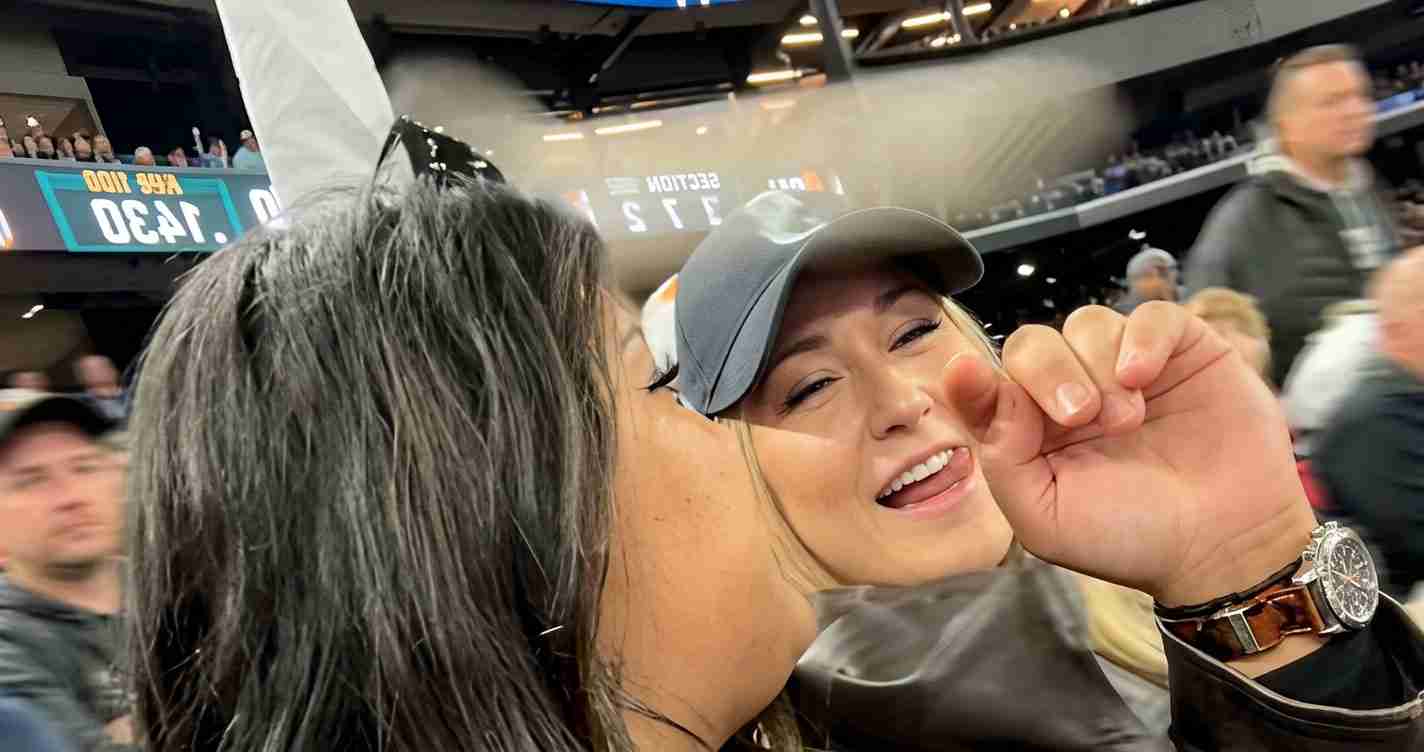
What happened: During the top of the fifth inning at T‑Mobile Park on Friday, a hard foul ball struck fan Jamie Golla on the top of the head while she and a friend were taking a selfie in the lower bowl down the third‑base line. Video of the moment shows a screaming line drive arcing into the stands and hitting Golla with an audible, bone‑jarring thud — described online as “nightmare fuel.”
Immediate care: Golla was transported to Harborview Medical Center, a regional trauma hospital in Seattle, where she received treatment. In comments after the incident she said:
“I’m feeling a little better than yesterday. My head is still a bit swollen, and I’ve been getting minor headaches here and there, but overall I’m doing okay.”
Team response: Golla said a Seattle Mariners staff member checked on her after the incident and offered tickets to return to a future game.
Sources: New York Post coverage of the video; Harborview Medical Center information; Seattle Mariners statements.
Why foul balls can be so dangerous
Line drives can travel faster than 100 mph off the bat. Along the baselines — where seats are close to the field and balls can reach the stands in under a second — even attentive fans may have virtually no time to react. Safety experts point to two key risk factors: velocity and distraction. Phones, food and in‑stadium entertainment mean fans often look away at exactly the wrong moment. Children are especially vulnerable because they are shorter and less likely to see a ball heading toward them in time.
Legal backdrop: the Baseball Rule and assumed risk
The legal framework that governs many spectator injury cases is the so‑called “Baseball Rule”. Under this doctrine, teams and stadium operators owe a limited duty to protect fans. Courts have generally held that fans assume the ordinary risks of the game — including being struck by a ball — particularly when safer, netted seating is available and parks provide customary protections behind home plate.
Tickets often include fine print saying patrons assume the risk of foul balls and broken bats. That language, plus the Baseball Rule, has made successful lawsuits by injured fans difficult, especially at major league parks that meet minimum screening standards. For background on the rule and related case law, see NFHS explainer on the Baseball Rule and the Wikipedia entry on the Baseball rule.
MLB netting extensions: what changed and what hasn’t
High‑profile injuries and public outcry pushed MLB to act in the 2010s. After several serious incidents, Commissioner Rob Manfred ordered a study and recommended in 2016 that clubs extend protective netting from behind home plate to at least the near ends of both dugouts. Most teams complied with that recommendation, and many later extended netting well down the baselines.
Yet large swaths of lower‑bowl seating remain unprotected in many parks. Thousands of foul‑ball injuries still happen each year at professional games, according to legal and safety commentators. Some courts are beginning to question whether it is reasonable to expect fans to maintain constant vigilance when reaction times are so short. See MLB netting guidance on MLB.com and team pages for local policies.
Public safety debates after viral moments
Incidents like the Jamie Golla case tend to re‑ignite the debate over where responsibility lies. Fans and safety advocates argue teams should expand netting as a practical matter — modern seats, ticket prices and the prevalence of devices make it unrealistic to expect every spectator to keep their head perfectly turned toward play.
Teams and leagues counter that many fans prefer unobstructed views and that extending netting can change the ballpark experience. They also point to existing screening behind home plate and the logistical and visual considerations of adding nets in every section.
What safety experts say about preventing injuries
Advice for fans: Experts advise choosing seats behind extended netting for the best balance of proximity and safety. If sitting down the line, they recommend sitting higher and farther from the field, keeping an eye on the action whenever the ball is in play, and keeping children behind protective screens.
- Avoid long selfies or video during live at‑bats.
- Teach children to look toward the field when a pitch is being thrown.
- Do not lean over rails or attempt risky reaches to grab a foul ball.
How Golla’s case fits into the larger pattern
Golla’s injury follows a long list of similar fan strikes. In many cases, teams respond with medical help, follow‑up calls and goodwill gestures such as replacement tickets — actions that address the immediate human need but do not resolve the larger policy question. Under current legal norms, an incident like this one would likely be treated as an assumed risk, particularly if the seat was outside netted areas and the ticket carried standard warnings.
Sources and further reading
- New York Post coverage of the T‑Mobile Park video (reporting on Jamie Golla)
- NFHS explanation of the Baseball Rule
- Harborview Medical Center
- Seattle Mariners
- MLB official coverage of protective netting guidance
- Reporting and analysis of fan safety by national sports outlets (ESPN, The Athletic, USA Today)
Implications for Las Vegas, Nevada
Economic impact: Las Vegas hosts a large and mobile sports fan base. Viral incidents like the Jamie Golla clip can shape consumer attitudes about attending games, especially families with young children. If fans feel unsafe in lower‑bowl seats, they may buy fewer premium or close‑in tickets, which can affect local team revenue and secondary spending at concessions and nearby hotels and restaurants.
Policy and venue planning
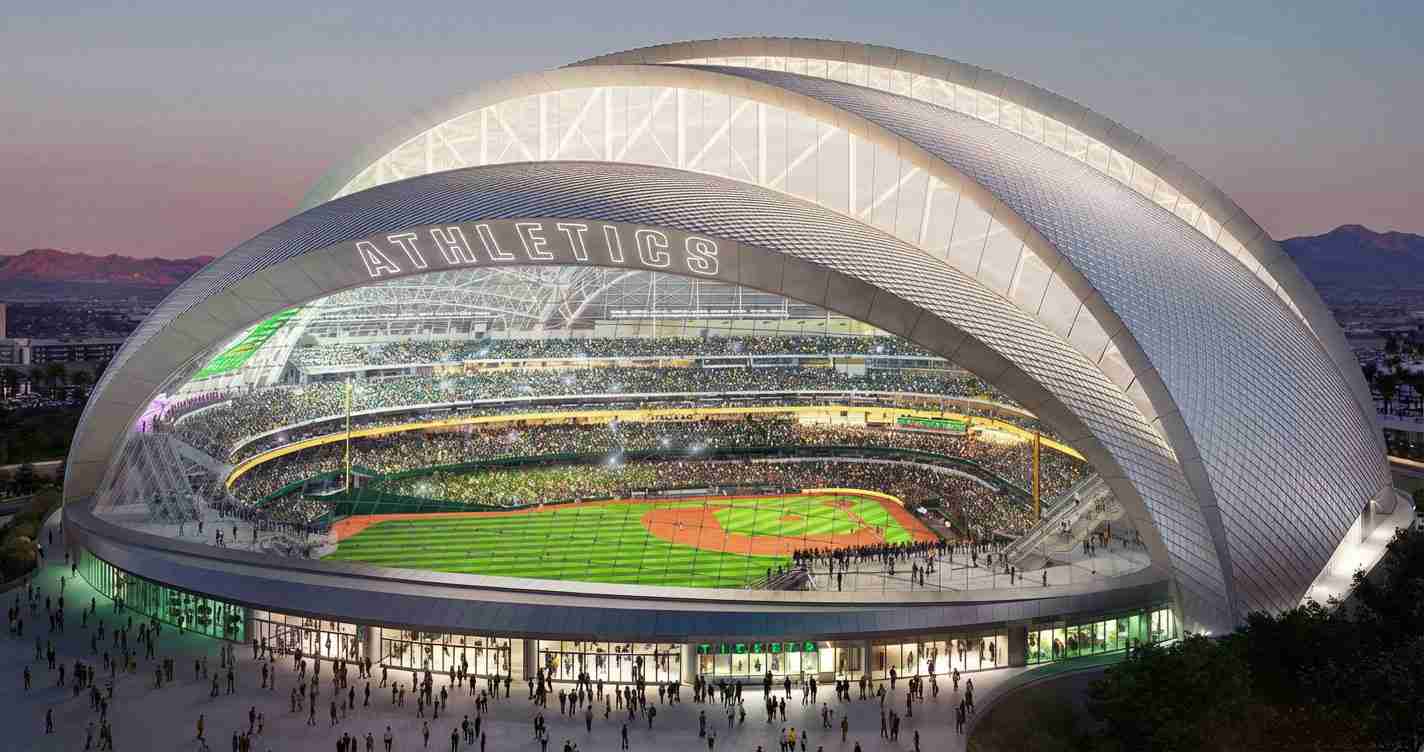
Clark County and local venue operators will monitor national trends. If MLB netting extensions become an expected standard, local ballparks — and any future major league facility in Las Vegas — could face pressure to adopt similar or stronger protections when designing or renovating seating bowls. Proactive safety planning can be a selling point in bids and negotiations.
Public safety and families
Las Vegas hosts many conventions and family visitors who attend local games as entertainment. The local message: know which seats have protective netting and keep children in screened areas whenever possible. Local teams can do more to inform ticket buyers at point of sale which seats are behind nets and to post clear warnings at gates and on digital tickets.
Fan experience and expectations
Las Vegas fans often seek an up‑close, immersive experience. That expectation can clash with calls for more netting. Venue managers must balance sight lines and aesthetics with safety through clear communication, seat maps that mark protected sections, and family‑friendly zones behind extended netting.
Legal and liability considerations
While the Baseball Rule has historically protected teams from many lawsuits, growing scrutiny and high‑profile injuries could change the legal landscape. Local legal providers and consumer advocates in Las Vegas should monitor developments because national changes could influence how local courts regard assumption‑of‑risk defenses for minor league or future major league facilities.
Practical advice for Las Vegas fans
- When buying tickets, look for seat maps showing protective netting; ask the box office if unsure.
- Keep young children in netted areas whenever possible.
- Limit phone and selfie time when the ball is in play.
- If you want the “action seat” feel down the line, sit higher and be ready to look up when a pitch is thrown.
Reporting and sources for this article include local and national coverage of the T‑Mobile Park incident, legal analysis of the Baseball Rule, MLB guidance on protective netting and hospital information for care facilities involved in the case.