McEnroe vs. Pickleball: Tennis Icon Slams the Sport’s Sound and Image — Even as He Cashes In
John McEnroe has publicly derided pickleball’s sound, name and athleticism, yet he repeatedly joins high‑pay exhibitions and televised events, nationwide and commercial, a contradiction that highlights tensions between tennis purists and the booming, often noisy, sport.
Key takeaways
- McEnroe’s critique: He calls pickleball inferior to tennis and objects strongly to the plastic ball’s sound — comments documented by outlets such as The Dink and The Spun.
- Financial contradiction: Despite his rhetoric he has played in high‑pay exhibitions like The Pickleball Slam and admitted to earning more from some pickleball appearances than from tennis.
- Noise is a real civic issue: McEnroe’s complaint about the sport’s “plink” sound mirrors community noise disputes in towns nationwide.
- Local stakes: Cities such as Las Vegas face economic opportunity and political choices balancing recreation demand, noise concerns and facility priorities.
McEnroe’s core criticisms of pickleball
John McEnroe has resumed his familiar bluntness off the tennis court, saying he is “not a convert” and, according to some reports, even that “it sucks” while promoting his documentary — coverage chronicled by The Dink. Across interviews and broadcasts he repeats three main lines of critique:
- “Watered‑down” athletics: He argues pickleball is a diluted form of tennis and has been quoted as calling it “great if you aren’t athletic,” a snide contrast to tennis’ physical demands (tennis forum archive).
- The sound: In a MacZone segment he contrasted the “awesome” sound of a tennis ball with pickleball’s “plinking and plonking,” calling that noise a “big negative” (The Spun).
- Name and image: He and other traditionalists mock the sport’s perceived “goofy” name and PE‑class image, arguing it lacks the gravitas of established athletics (The Dink).
Money, exhibitions and the “selling out” charge
The contrast between McEnroe’s words and actions is stark. He has appeared in and promoted celebrity pickleball events that reportedly paid sizable sums. The Pickleball Slam, a made‑for‑TV event featuring former tennis stars, reportedly included seven‑figure purses — and McEnroe’s participation drew particular attention (The Dink).
“I played two weekends, and they paid me more money for that than I got paid for tennis,” McEnroe said in a MacZone exchange with Genie Bouchard, noting he’d played against tennis players rather than “pickleball people.” (The Spun)
Pickleball outlets have highlighted the irony: his criticism keeps the sport in headlines even as his participation fuels its visibility and commercial growth (The Dink).
The sound issue and broader community friction
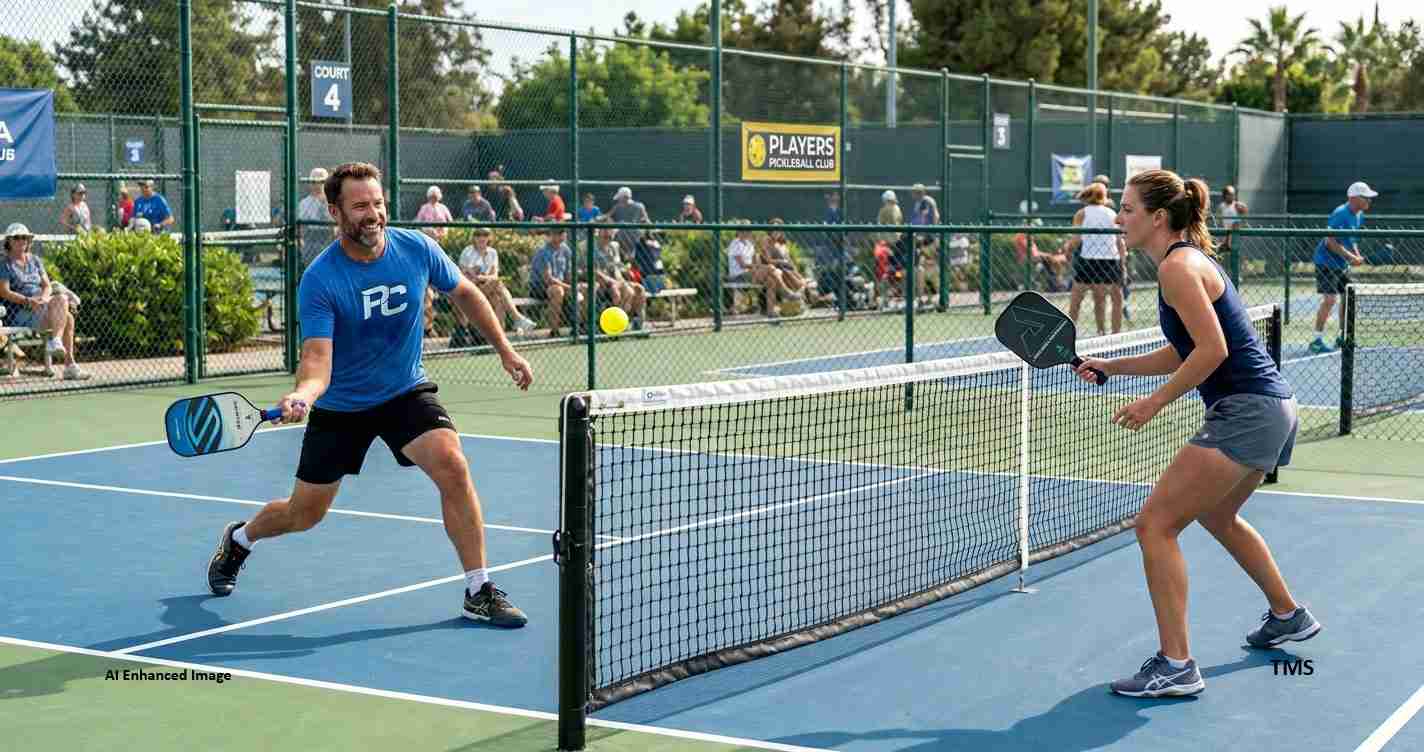
McEnroe’s aversion to the plastic ball’s sharp “pop” is more than personal taste. Communities across the U.S. report complaints about the repetitive, penetrating noise of pickleball play. That sound can travel from converted courts and clustered facilities, prompting municipal debates about hours, buffer zones and acoustic mitigation (The Spun).
Reporting often links noise complaints to broader turf battles: court conversions, rec center programming shifts and intergenerational tensions. McEnroe’s critique frames the issue as partly civic — an aesthetic and neighborhood quality‑of‑life concern — not just celebrity grumbling.
Pattern across media and McEnroe’s public persona
The MacZone clip with Genie Bouchard is among several moments that fit a larger pattern: loud public critique paired with acceptance of commercial opportunities. Clips and appearances (archival and current) create a feedback loop — his remarks generate coverage, which raises pickleball’s profile, while his paid appearances give him both platform and incentive to comment (The Dink; video clip).
Fact vs. commentary: what McEnroe actually said
Some lines circulating online are editorial color or punditry rather than verbatim quotes. But verified reporting supports the core facts: McEnroe has said he is “not a convert,” has labeled the sport inferior in his view, and has publicly objected to the sound. His participation in high‑pay exhibitions such as The Pickleball Slam is also documented (The Dink; The Spun; archival clip).
Cultural context: name, demographics and the tennis–pickleball tension
Pickleball’s rapid growth has reshaped perceptions. While the name and plastic ball initially suggested a casual pastime, the emergence of younger players, pro circuits and TV deals is pushing the sport toward mainstream legitimacy. Tennis traditionalists see court competition and shifting recreational habits as evidence of real turf battles — a dynamic embodied by McEnroe’s dual role as critic and participant (The Dink).
Implications for Las Vegas, Nevada
Economic impact
Las Vegas already hosts tournaments and supports a local pickleball economy — courts, equipment sales, instruction and tourism. Events can drive hotel stays, dining and ticket revenue, but they also create competition for public and private facility dollars.
Political consequences
Local officials in Las Vegas and Clark County may face constituent pressure to balance recreation demand with neighborhood concerns. Noise complaints, permit processes and zoning for facilities can become salient political issues.
Social effects and cultural relevance
Pickleball’s accessibility appeals across ages, connecting retirees and younger players in mixed communities like Las Vegas. Yet it can also create tension when courts are scarce or when longtime tennis players feel displaced. For a city built on entertainment, the sport’s spectator potential is a strategic asset — even as McEnroe’s snark reflects an ongoing national conversation.
Practical applications for planners
Actionable measures include acoustic studies, scheduling rules to limit late‑night play, multi‑use court designs, neighborhood coordination for tournaments, temporary sound barriers and etiquette education to reduce friction between player groups.
Sources and documentation
Summary: Reporting shows a clear pattern: John McEnroe is a vocal critic of pickleball’s sound and image even as he appears in profitable pickleball events such as The Pickleball Slam. That tension continues to fuel national and local debates about the sport’s place in communities.