Indiana lawmakers move ahead on plan for potential Chicago Bears stadium near Wolf Lake, rattling Illinois as fans and officials weigh the stakes
On February 19, 2026, an Indiana House committee unanimously approved legislation to establish a Northwest Indiana Stadium Authority, advancing plans for a possible Chicago Bears stadium near Wolf Lake in Hammond and enabling land acquisition and financing.
- Unanimous committee approval: Indiana’s House Ways and Means Committee voted 24-0 to add an amendment to SB 27 creating the Northwest Indiana Stadium Authority, with powers to issue bonds and acquire land (CBS News, ESPN, NFL).
- Team money on the table: The Bears have indicated they could invest about $2 billion in a new facility, while public financing details remain unresolved (CBS News, ESPN).
- Illinois pause: Talks in Illinois, including a Cook County/Arlington Heights option, were paused after a scheduled hearing was canceled at the Bears’ request, widening the interstate competition.
Indiana developments: the Northwest Indiana Stadium Authority and Wolf Lake
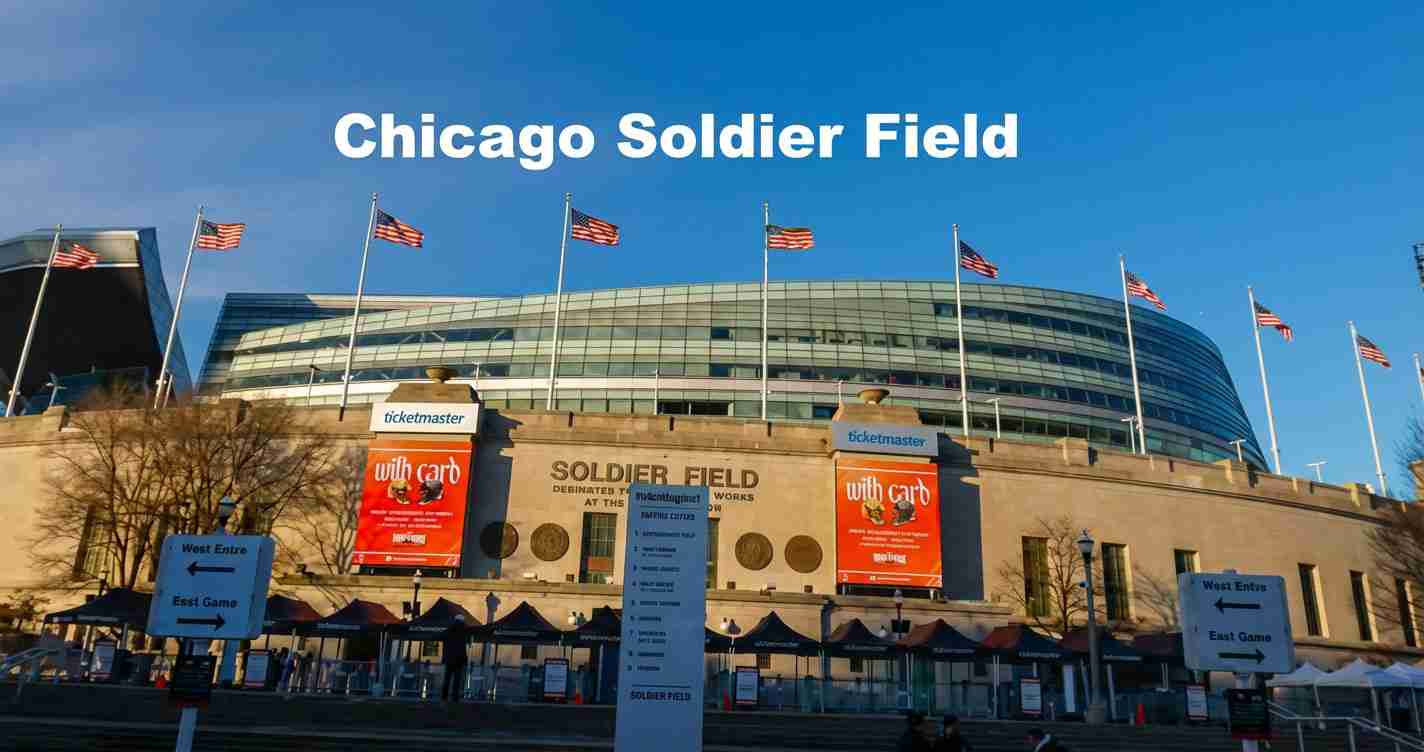
Indiana’s Feb. 19 action puts a formal vehicle in place for the Hammond site next to Wolf Lake. The amendment to SB 27 would create the Northwest Indiana Stadium Authority with explicit authority to buy land and issue bonds to help finance a potential domed stadium near the Interstate 90 corridor, just across the Illinois border and roughly 25 minutes from Soldier Field. Reporting on the committee vote and the proposed authority is available from CBS News and ESPN.
Leaders’ framing: House Speaker Todd Huston called the proposal a “transformational investment” for northwest Indiana, and Hammond Mayor Thomas McDermott described it as a “once-in-a-generation opportunity.” Indiana Gov. Mike Braun characterized the measure as a negotiating framework and emphasized the state is building a foundation for a public‑private partnership while continuing site due diligence (ESPN).
Illinois response and political fallout
Indiana’s move arrived as Illinois leaders prepared hearings on Bears‑backed legislation that would have allowed negotiated property tax terms for projects such as Arlington Heights. That Illinois House Revenue and Finance Committee hearing was canceled after the Bears asked for a pause following a three‑hour meeting with Gov. J.B. Pritzker’s team (CBS News, ESPN).
“Very positive” talks, but Illinois surprised — Gov. Pritzker said discussions had been positive yet expressed surprise at the team’s focus on Indiana. Former Gov. Rod Blagojevich critiqued the administration sharply, saying Pritzker had been “outplayed and outflanked.”
Team perspective and financial asks
The Bears have sought substantial local public support in Illinois. In a Dec. 17, 2025 letter, team President and CFO Kevin Warren said the franchise had not sensed urgency while pursuing roughly $850 million to $900 million in public funding for infrastructure around the Arlington Heights site, on top of a planned $2 billion team investment (ESPN).
After the committee vote, the Bears called it “the most meaningful step forward” in stadium efforts and said they would conduct due diligence on the Wolf Lake site, stressing any plan would serve Chicagoland fans and require a global‑class facility (CBS News, NFL).
Broader stadium saga and logistical hurdles
No deal is final. The amendment is a significant legislative step, but SB 27 must still clear the full Indiana General Assembly before the session ends. Even with state approval, the Bears and Indiana would need to complete:
- Land purchases and environmental/infrastructure studies
- Detailed financing negotiations and bond issuance planning
- Resolution of the Bears’ long‑term lease at Soldier Field (through 2033) and remaining renovation debt — CBS News reported more than $500 million still tied to the 2003 Soldier Field renovation (CBS News).
The region’s memory of the 1995 “Planet Park” proposal in Gary, Indiana — a bid that failed to secure local tax support — is a cautionary precedent that local politics and funding choices can sink large projects (CBS News).
What’s next: timelines, due diligence and votes
Indiana lawmakers must pass SB 27 with the amendment before the legislative session ends. If approved, the Northwest Indiana Stadium Authority could begin site work and bond planning while the Bears complete due diligence on Wolf Lake. Illinois leaders may resume hearings and try to shore up the Arlington Heights option, but timing is uncertain amid public frustration and a paused hearing (CBS News, ESPN, NFL).
Implications for Las Vegas, Nevada
Economic and tourism effects: Las Vegas is a national sports and entertainment hub. A Bears relocation to northwest Indiana would be unlikely to change Las Vegas’ status, but could modestly shift fan travel patterns and the calendar for marquee matchups; effects for hotels, restaurants and tour operators would likely be incremental.
Political and public‑funding perspective: Nevada voters and officials have been cautious about large taxpayer‑funded stadiums since the debates over Allegiant Stadium. This interstate competition may reinforce skepticism about public subsidies and encourage stricter return‑on‑investment rules when negotiating with franchises. Urban moderates generally favor fiscal restraint with pragmatic investments.
Sports landscape and fan experience: The Bears’ potential move underscores fluidity in team locations. Local sports partners and venues in Las Vegas should anticipate shifting regional affiliations and adjust outreach to Midwest visitors accordingly.
Cultural and social ties: Chicago‑area transplants in Las Vegas compose a notable community; a Bears move could affect watch parties, fan clubs and charity partnerships tied to the team, with implications for nonprofits and community programming.
Practical matters for residents:
- Travel: Logistics and costs for fans traveling from Las Vegas to Bears games could change depending on the final site and neutral‑site scheduling.
- Media and broadcast: Regional networks and local broadcasters may alter coverage priorities if the Bears’ market shifts, affecting local programming.
- City planning: Las Vegas officials can use this episode as a case study to evaluate sports subsidies, demanding transparency and measurable outcomes before committing public funds.
Sources and reporting notes
This article draws on reporting from CBS News, ESPN and the NFL, which documented the Feb. 19 committee vote, statements by Indiana and Illinois officials, the Bears’ financing requests and historical context.
Next steps for readers and followers
Interested fans should watch for a full Indiana General Assembly vote on SB 27, any follow‑up hearings in Illinois, and statements from the Bears about due diligence timelines. Local civic leaders and sports‑business watchers in Las Vegas are advised to review how public financing and bond authority mechanisms work, since those tools are central to this interstate competition.