SAVE America Act sets up national fight over voter citizenship proof and photo ID as House vote looms
The SAVE America Act, a Republican bill in the 119th Congress, would require documentary proof of U.S. citizenship for federal voter registration and government-issued photo ID to vote, triggering a national fight over access and enforcement.
- Requires documentary proof of citizenship to register for federal elections and photo ID to vote in person or with absentee ballots.
- Directs states to use federal databases for verification and to remove suspected noncitizens from rolls, with potential criminal penalties and private lawsuits.
- Supporters say it prevents noncitizen voting and restores confidence; critics warn it will block millions of eligible voters and prompt litigation.
- Immediate impact could fall heavily on swing states such as Nevada, forcing new local costs and voter outreach efforts.
Key information
The SAVE America Act (Safeguard American Voter Eligibility Act) appears in principal versions such as H.R. 22 and later measures like H.R. 7296. For primary documents see H.R. 22 on Congress.gov and H.R. 7296 text on Congress.gov.
Republican summaries and coverage describe core rules requiring documentary proof of citizenship at registration and government-issued photo ID to vote; see the CBS News summary and the sponsor-provided bill text (Rep. Chip Roy PDF).
Enforcement would use federal resources such as the Department of Homeland Security and the Social Security Administration to verify citizenship and remove suspected noncitizens. Analysts note the bill would also create criminal penalties and private rights of action; see Bipartisan Policy Center explainer.
What the SAVE America Act would change
H.R. 22 and related measures would amend parts of the National Voter Registration Act of 1993. The bill would require documentary proof of U.S. citizenship when registering to vote in federal elections. Acceptable documents listed in Republican materials include REAL ID-compliant IDs that indicate citizenship, U.S. passports, military IDs with U.S. birth records, and government photo IDs paired with birth certificates or naturalization papers (see the sponsor bill PDF).
Voting in person would require a government-issued photo ID at the polling place, and absentee ballots would require ID copies. Where an ID does not show citizenship, the bill would require extra documentation unless a state can verify citizenship through federal databases maintained by agencies such as the Department of Homeland Security. For analysis see the Campaign Legal Center explainer and reporting in CBS News.
States would be directed to run matches against DHS, the Social Security Administration and other federal sources to identify and remove noncitizens from voter rolls. The bill would allow private lawsuits alleging registration of ineligible voters and impose criminal penalties in some cases; see the H.R. 22 text and the Bipartisan Policy Center analysis.
Supporters’ case
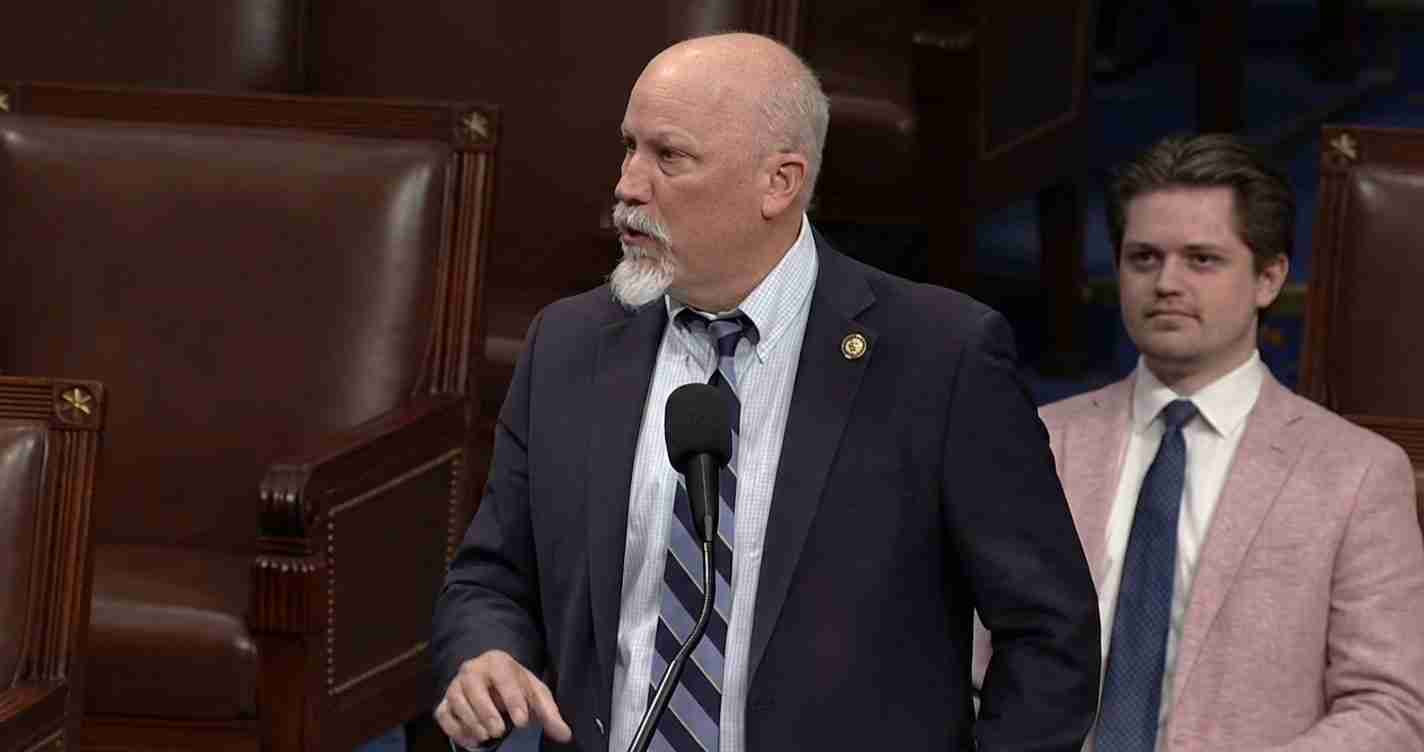
Supporters argue the bill closes gaps that may allow noncitizens to vote and restores public confidence in election integrity. Backers, including Rep. Chip Roy and other Republican sponsors, frame the SAVE America Act as a remedy for rare but consequential instances of noncitizen voting, and say uniform federal standards will prevent fraud and harmonize state rules (H.R. 22).
“America’s Elections are Rigged, Stolen, and a Laughingstock all over the World.” — Former President Donald Trump urged passage and asked that states’ voter lists be turned over for verification, as reported in news coverage.
High-profile supporters in media and entertainment have amplified the bill’s profile. Tech entrepreneur Elon Musk called measures like the SAVE America Act “critical to sustain American democracy,” and rapper Nicki Minaj publicly voiced support, drawing broader public attention (reporting).
Critics’ concerns
Democrats and voting-rights organizations warn the SAVE America Act would erect steep barriers that could block millions of eligible voters. Groups such as the Brennan Center for Justice and the Campaign Legal Center estimate that many people lack ready access to passports or official birth certificates — figures often cited put the number at more than 21 million — and that strict ID rules would disproportionately affect young voters, voters of color, low-income people and those with name changes.
Opponents also note the bill would end or limit online and mail registration drives used by community groups and civic organizations. Legal experts warn that automated purges using federal data could remove eligible voters in error, and that private rights of action plus criminal penalties could spawn litigation and confusion at local levels (see Democracy Docket coverage and Bipartisan Policy Center analysis).
Political landscape and next steps
The SAVE America Act has risen on the House agenda amid pressure from conservative commentators and Republican lawmakers; a House vote is scheduled this coming week. Passage in the Senate is uncertain. Some GOP figures are pressing to change filibuster rules to clear the path for bills like this, a move with major political consequences (reporting).
Versions of the SAVE Act have evolved: early drafts emphasized registration proof; later proposals added a nationwide photo ID requirement at the polls. Some amendments have removed the requirement to show citizenship documentation at the polling place while maintaining registration hurdles and ID rules — critics say even softened versions would still create significant obstacles (H.R. 7296 text; Brennan Center analysis).
Alternatives and policy context
Some policy groups argue less burdensome verification methods exist that would not require documentary proof at registration. Bipartisan proposals recommend improved state-federal data matching or using existing federal databases more efficiently, rather than adding new paperwork for voters (Bipartisan Policy Center).
Reporting and legal analysts predict litigation if sweeping new ID and registration rules are enacted; voting-rights advocates expect constitutional and preemption challenges in courts (Campaign Legal Center; Brennan Center).
Implications for Las Vegas, Nevada
Economic impact: Nevada’s economy is driven by tourism and service-sector jobs. Many Las Vegas workers are hourly employees in hospitality, entertainment and food services. If the SAVE America Act makes registration and voting harder, workers who lack passports or birth certificates could face new barriers. Counties may face increased costs for verification, outreach and legal defense.
Political consequences: Nevada is a swing state; reduced turnout among young voters, immigrants or low-income residents could change local and statewide outcomes. The bill’s roll-cleaning provisions could spark federal-state disputes over enforcement and funding.
Social effects: Community groups running registration drives in Las Vegas could lose tools such as mail and online registration. Populations at risk include recent movers, UNLV and other college students, people with name changes, and those born abroad to U.S. parents who may lack straightforward documents. Voter education and assistance efforts would likely need expansion.
Cultural relevance: Las Vegas’ diversity means document requirements could be perceived as a “show-your-papers” policy by opponents, potentially heightening mistrust among immigrant communities and complicating local relations.
Practical applications: Clark County and Nevada election offices would need plans for verification systems, potential surges in inquiries, staffing, system upgrades and outreach. Civic groups may need to redirect resources to help residents obtain required documents. Any state-level efforts to mitigate burdens could produce legal conflicts with federal standards.
Reporting sources and further reading
- CBS News — “House Republicans’ voting bill called the SAVE Act would require photo ID and proof of citizenship”
- Congress.gov — H.R. 22, 119th Congress (text and summary)
- Rep. Chip Roy — SAVE America Act PDF (sponsor-provided bill text)
- Democracy Docket — coverage and alerts
- Campaign Legal Center — explainer
- Brennan Center for Justice — analysis and warnings
- Bipartisan Policy Center — five things to know about the SAVE Act
- Congress.gov — H.R. 7296 text (later bill language)
Note: This coming week’s House vote sets a fast timetable. For Las Vegas voters, community groups and election officials, the fight will likely move from newsrooms to phone lines and county offices as residents seek clarity on what the SAVE America Act would mean for registering, showing ID and casting a ballot.