Senate Unanimously Approves Resolution to Withhold Senators’ Pay During Future Shutdowns
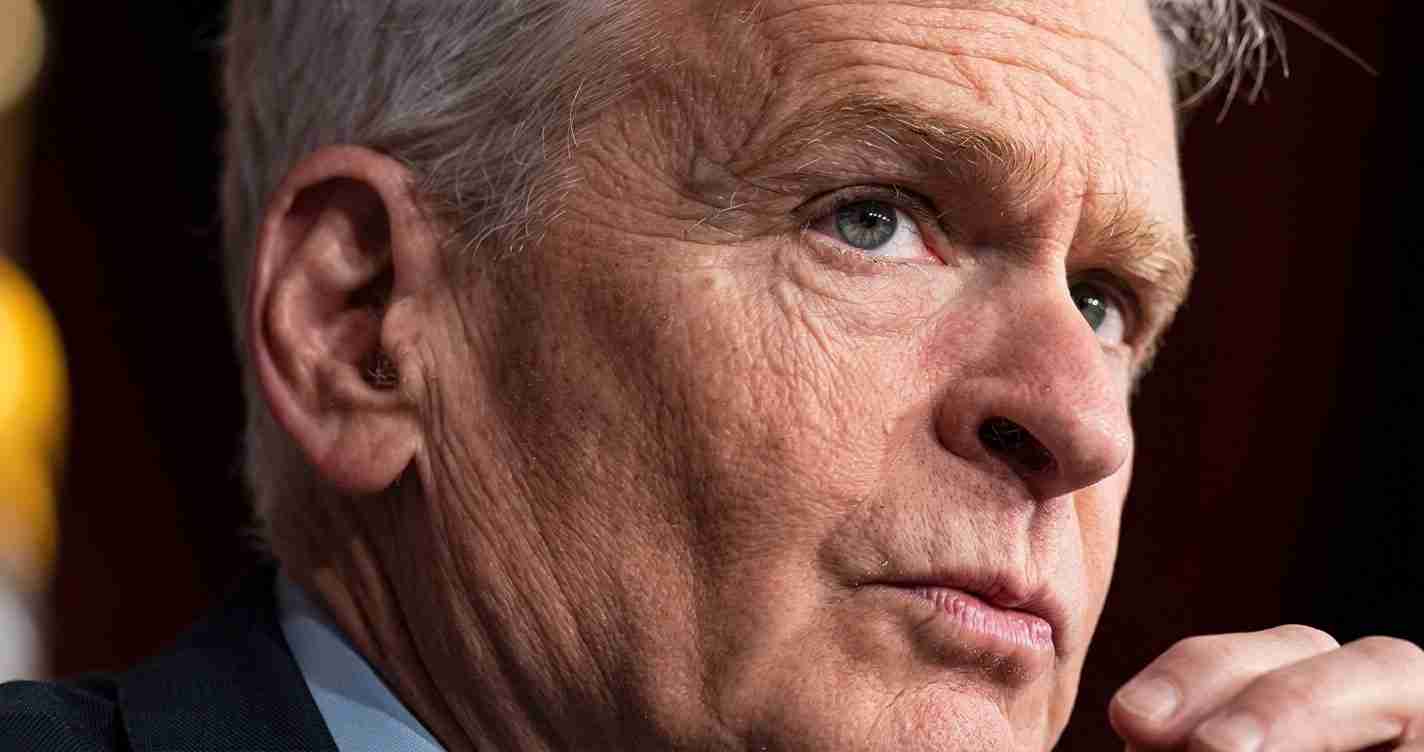
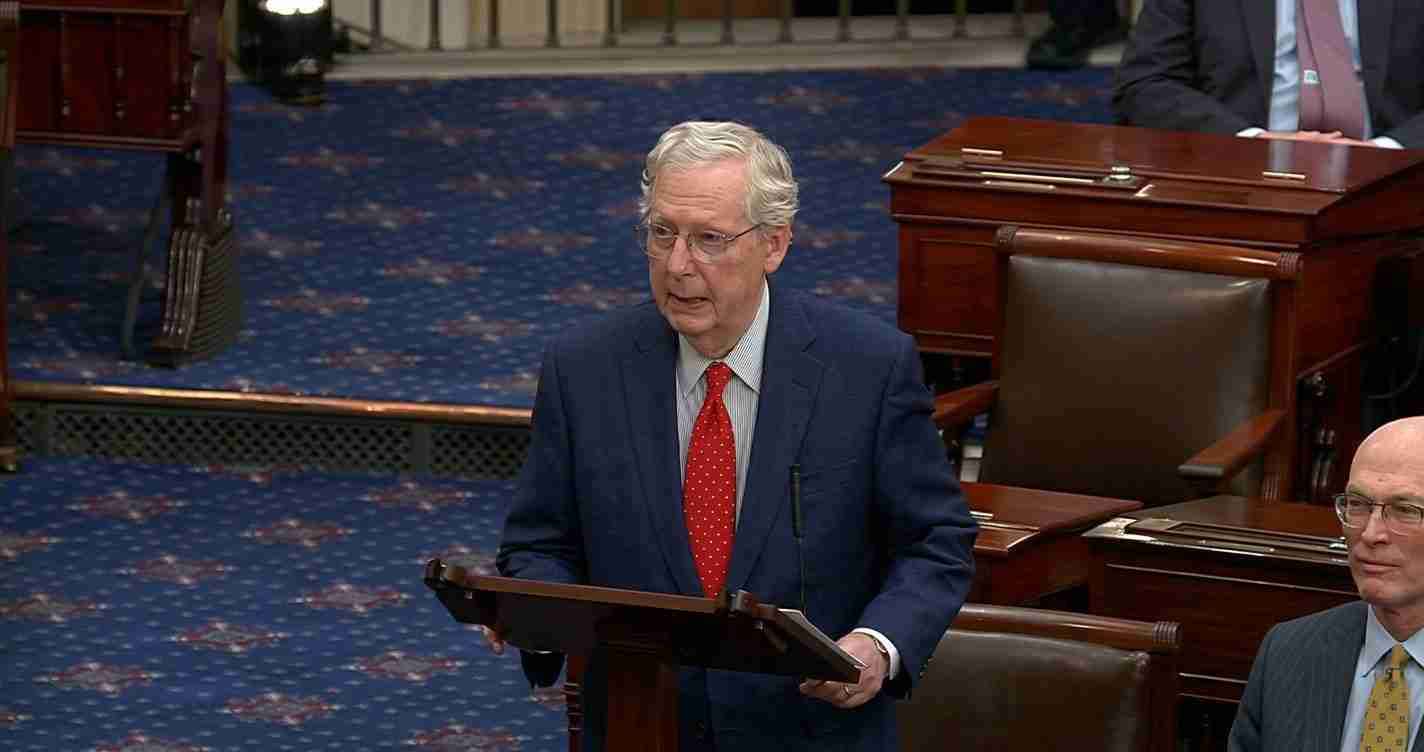
The U.S. Senate unanimously approved a resolution introduced by Sen. John Kennedy (R-La.) to place senators’ pay in escrow during future government shutdowns, releasing funds only after funding is restored — a bipartisan, symbolic step to deter shutdowns.
Key takeaways
- What passed: A Senate resolution to place senators’ pay in escrow during a government shutdown and release it only after funding is restored.
- Sponsor & vote: Introduced by Sen. John Kennedy (R-La.) and approved unanimously by the Senate.
- Scope & timing: Applies only to senators (not the House) and takes effect after the Nov. 3 general election.
- Mechanism: Directs the Secretary of the Senate to withhold pay until a shutdown ends; pay is held, not forfeited.
Details
What passed
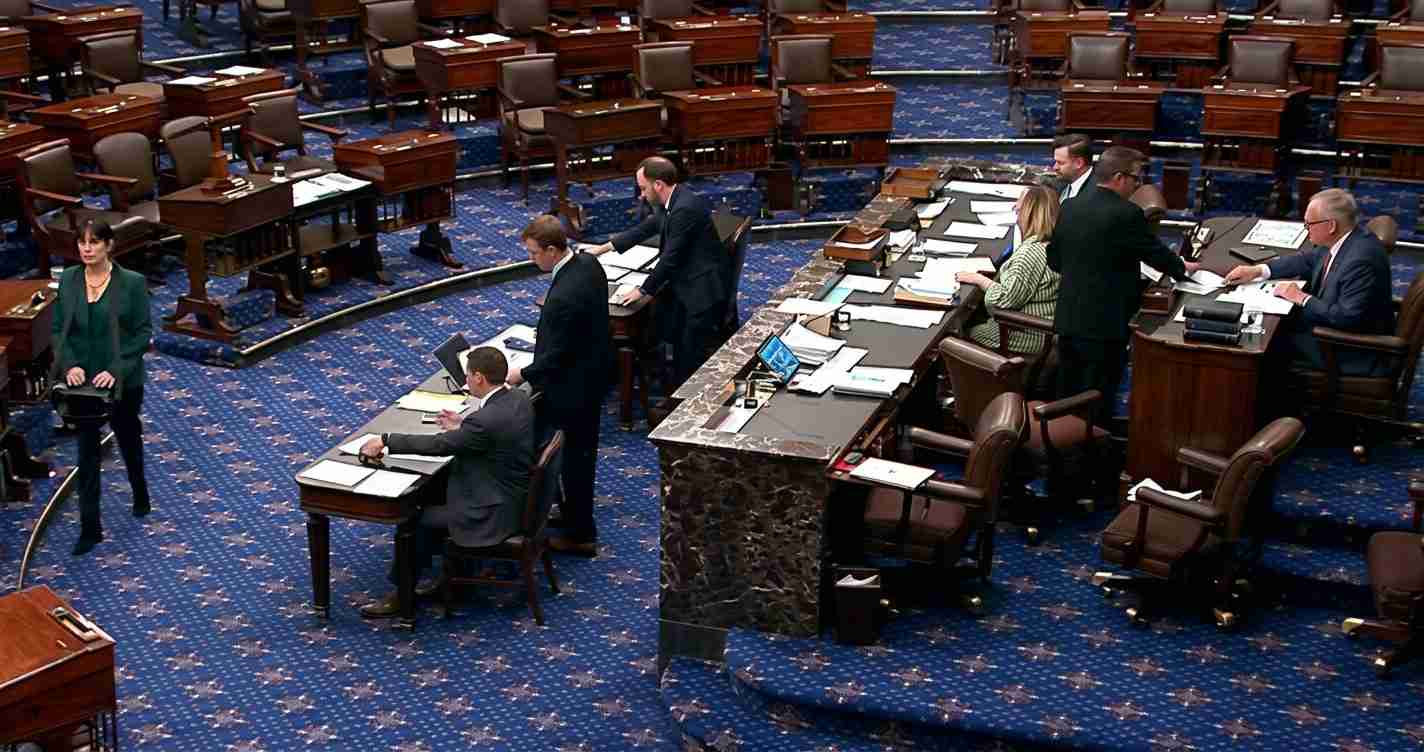
Senators approved a resolution to place senators’ salaries into an escrow-like account during any funding lapse. The resolution instructs the Secretary of the Senate to withhold pay for the duration of a shutdown and release withheld pay only after funding is restored.
What the resolution does
Sen. John Kennedy characterized the measure as a fairness step: lawmakers have largely been insulated from the immediate financial pain that federal workers, contractors and agency staff have endured during funding lapses. Under the resolution:
- The Secretary of the Senate places senators’ pay into an escrow-like account during any funding lapse.
- When Congress restores funding and the shutdown ends, withheld pay is released to senators.
- The measure postpones receipt of pay rather than permanently forfeiting salaries.
Why senators backed the move
Supporters argued the resolution raises the political cost of allowing shutdowns to persist and makes shutdowns less politically attractive. Kennedy cited two major shutdowns this year — a 43-day full closure and a 76-day partial Department of Homeland Security lapse — that left tens of thousands of federal workers unpaid and disrupted travel, public safety and services.
“We ought to hide our heads in a bag. It’s got to stop,” Kennedy said on the Senate floor, urging accountability for repeated brinkmanship.
Limitations and legal questions
The resolution is limited in scope and effect:
- It applies only to senators — House members are not affected.
- It takes effect only after the Nov. 3 general election, so it cannot influence shutdown standoffs before then.
- Legally, it is an administrative directive to the Secretary of the Senate; withheld pay is held and later released, not permanently forfeited.
- It does not change federal appropriations rules or the underlying mechanics that allow shutdowns to occur.
Other proposals aimed at shutdowns
Several competing ideas have been proposed to reduce shutdown harm or remove shutdowns as a bargaining tool. Those proposals fall into three broad approaches: protect workers, impose costs on lawmakers, or eliminate the shutdown cliff.
- Guarantee pay for federal workers: Sen. Ron Johnson (R-Wis.) has advanced a bill, backed by federal labor unions, to guarantee federal-worker pay during shutdowns so employees do not immediately shoulder the cost of political gridlock.
- Automatic short-term extensions: Sen. James Lankford (R-Okla.) proposes automatic two-week funding extensions to blunt the sharp cliff and reduce leverage from shutdown threats.
- Escrow for lawmakers: The Kennedy resolution imposes a financial delay on senators’ pay to raise the political cost of allowing a shutdown to continue.
Political significance
A unanimous Senate vote is a noteworthy display of bipartisanship, but observers note several caveats. The delayed start date, omission of the House and escrow mechanism (which ultimately returns pay) may blunt the resolution’s deterrent effect. Some Republicans remain skeptical that leadership will avoid shutdown threats when strategic advantages are available ahead of elections.
Political analysts warn that unless the measures are broadened or paired with automatic funding mechanisms, shutdowns could remain a recurring bargaining tool.
Voices for and against
Supporters say the resolution restores accountability and signals willingness to accept consequences for allowing a shutdown. Critics describe the measure as limited politics — pay is ultimately released after a shutdown, minimizing the personal penalty — and argue the House’s exclusion and the delayed effective date reduce near-term impact.
Implications for Las Vegas, Nevada
Las Vegas — reliant on tourism, conventions and travel — felt real effects during past shutdowns. Local implications include:
- Economic impact: Transportation disruptions from unpaid TSA staff can lengthen lines, slow screenings and strain airport operations at Harry Reid International Airport, affecting conventions and hospitality revenues.
- Local federal workers & contractors: Southern Nevada employs thousands who could face delayed paychecks during shutdowns, reducing household spending and affecting small businesses.
- Political consequences: The bipartisan nature of the resolution may resonate with urban, moderate Las Vegas-area voters, though its delayed and limited scope may temper local enthusiasm.
- Social and public services: Interruptions to public health labs, park services and other federal programs can harm neighborhood-level services; reducing shutdown risk could mean more stable access.
- Practical effects: If the resolution deters shutdowns, businesses booking conventions and residents planning travel could face fewer sudden disruptions.
Reporting and sources
This article summarizes the Senate vote, public remarks by Sen. John Kennedy, and related legislative proposals from Senators Ron Johnson and James Lankford. Official sources and further reference pages include:
- U.S. Senate
- Sen. John Kennedy (office site)
- Sen. Ron Johnson (office site)
- Sen. James Lankford (office site)
For coverage of recent shutdowns and their effects on federal workers and travel, consult major news outlets and federal agency releases. This report preserves original facts and URLs from public statements and Senate resources.