Thune pushes SAVE America Act to Senate floor, forcing Democrats to take a stand on voter ID and citizenship proof
Senate Majority Leader John Thune pressed the SAVE America Act to the Senate floor, seeking votes on strict voter ID and citizenship proof for federal elections to force Democrats to publicly oppose the measure before the 2026 midterms.
- Thune is forcing roll-call choices: Republicans aim to put Democrats on record over requiring documentary proof of citizenship and photo ID for federal ballots.
- GOP has 50 reported supporters: That is enough to force floor votes but not the 60 votes normally needed to overcome a filibuster.
- Practical and legal concerns: Implementation timelines, costs, criminal penalties and private suits raise questions about feasibility and voter impacts.
- Local stakes for Las Vegas: Counties would face expenses and outreach burdens; communities of color, students and Tribal voters could be disproportionately affected.
Overview
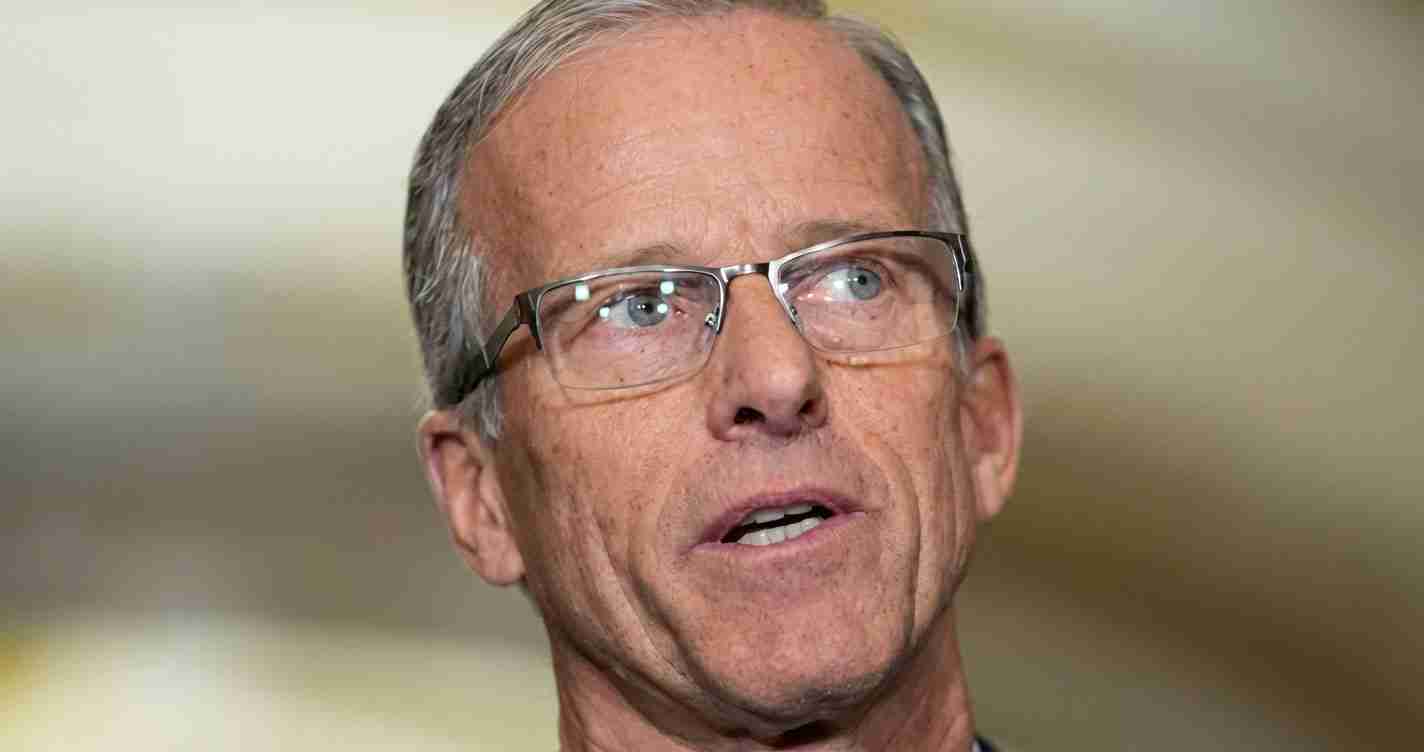
Senate Majority Leader John Thune (R-S.D.) is pressing for a critical Senate vote on the SAVE America Act, a bill that would require documentary proof of U.S. citizenship to register for federal elections and a photo ID to cast a ballot in federal contests. Thune says he will “make sure that everybody’s on the record,” arguing Democrats should explain to voters why they would block a law that, in his words, “ensur[es] that only American citizens vote in our elections.”
Republicans view a floor debate and a string of roll calls as a political tool to force vulnerable Democrats to state their positions ahead of the 2026 midterms. Opponents, including Senate Democrats and voting-rights groups, warn the law would create new barriers and could disenfranchise eligible citizens, particularly among low-income, elderly, student, Tribal and minority voters.
A test vote to force choices
Thune’s strategy is to compel recorded positions by scheduling votes and amendments that spotlight Senate Democrats. With fifty Senate Republicans reported to back the measure — including Majority Leader Thune — the GOP can guarantee floor action but not the 60 votes typically required to invoke cloture and pass major legislation.
Thune: “I will make sure that everybody’s on the record,” he said while campaigning across South Dakota.
Reporting on the strategy and comments is available from Fox News.
What the SAVE America Act would do
As introduced, the SAVE America Act builds on prior SAVE Act language and would:
- Require documentary proof of U.S. citizenship to register for federal elections, listing examples such as REAL ID-compliant documents and requiring states to provide alternative processes for other evidence (see Congress.gov — H.R. 22).
- Mandate photo ID to cast ballots in federal elections; critics note the bill’s acceptable-ID list may exclude many student, Tribal and non-expiring IDs (analysis from the Campaign Legal Center).
- Require states to check and remove noncitizens from voter rolls using federal databases like DHS’s Systematic Alien Verification for Entitlements (SAVE) and allow penalties and private rights of action for improper registrations (bill text and summary: House bill calendar/summary).
- Include criminal penalties and private suits, creating potential for new litigation and compliance burdens on state and local election offices (Congress.gov — H.R. 22).
Arguments from both sides
Supporters argue the bill closes gaps in federal law, harmonizes registration rules across states and protects election integrity. Backers named in legislative announcements include Rep. Chip Roy and Sens. John Cornyn and Mike Lee; see the Senate press release.
Opponents say noncitizen voting is already rare and that the bill would create new barriers — disproportionately impacting low-income voters, students, seniors, people of color and Native Americans. Detailed critiques are available from the Campaign Legal Center and other analysis groups.
Practical, legal and administrative concerns
Election officials and analysts warn of implementation problems. Only three states currently require documentary proof of citizenship for new registrants and 27 states lack photo ID requirements, so a federal mandate would force many states to change procedures quickly. Local election offices would likely face new costs, staff training needs and tight deadlines that could complicate administration ahead of the 2026 midterms (VoteBeat).
Legal uncertainty stems from criminal penalties and private-rights provisions that could trigger litigation and impose burdens on state and local officials (House bill calendar/summary).
Timing and political calculus
The House passed the bill in mid-February 2026 with Republican support and urging from President Donald Trump; the bill’s path in the Senate is uncertain because of the filibuster and the 60-vote cloture threshold. Thune’s approach is plainly political: force votes, generate fall talking points and compel Senate moderates to explain their votes to constituents and donors.
Reporting on the House passage and implementation concerns is available from VoteBeat and legislative summaries on Congress.gov.
Implications for Las Vegas, Nevada
Economic impact
If enacted, Nevada counties — including Clark County — would likely face expenses to implement verification systems, staff training and outreach to ensure voters have acceptable identification. Local budgets could be redirected to cover software upgrades, additional employees and legal resources (VoteBeat).
Political consequences
In a battleground state like Nevada, the Senate fight could become central campaign messaging. Republicans may frame it as election security; Democrats will likely cast the bill as voter suppression that affects communities of color and younger voters. Local races could be pressured to take public stances, potentially shaping turnout among key demographic groups (Fox News; Campaign Legal Center).
Social effects
Photo ID mandates and tighter registration rules could disproportionately impact Las Vegas’s large Latino, Asian and Black communities, college students and Tribal voters — particularly if acceptable ID lists exclude commonly used Tribal IDs or if replacement documents are difficult to obtain (Campaign Legal Center).
Practical applications for voters in Las Vegas
- Check your documents now: Confirm which forms of ID and proof of citizenship you hold and follow guidance from county and state election offices — monitor VoteBeat coverage.
- Engage local officials: Contact county election offices to ask about contingency plans, assistance for voters who lack documents and expected timelines.
- Watch for legal and state responses: The bill’s private-rights and criminal provisions could prompt litigation; Nevada officials would have to decide how to align state rules with any new federal law (House bill calendar/summary).
Outlook
Legislative and legal uncertainty remains as Thune presses for Senate action. The coming weeks will determine whether the SAVE America Act becomes a full Senate debate and how lawmakers from both parties position themselves ahead of the midterms. Voters and local officials should monitor developments, prepare documentation where possible, and expect continued litigation and administrative planning if the bill advances.
Sources and further reading
- Congress.gov — H.R. 22, SAVE Act (119th Congress)
- Senate press release — Cornyn, Lee, Roy introduce SAVE America Act
- House bill calendar/summary document
- VoteBeat — coverage of House passage and implementation concerns
- Campaign Legal Center — analysis of potential voter access impacts
- Bipartisan Policy Center — explainer on the SAVE Act
- Fox News — reporting on Thune’s comments and Republican strategy