Steamboat Geyser slowdown 2025: Yellowstone’s tallest geyser has been quiet for months — experts probe why
Yellowstone, Wyoming (Times Media Service) — Yellowstone’s Steamboat Geyser, the world’s tallest active geyser, has been largely quiet since its last major eruption on April 14, 2025, prompting scientists and visitors to closely monitor Norris Geyser Basin as experts investigate causes and future behavior.
Key takeaways
- Steamboat is the world’s tallest active geyser and can send water over 300 feet high; it has been quiet for more than 230 days since April 14, 2025.
- Activity surged during 2018–2020 and then declined sharply from 2021–2025, with only two majors in 2025.
- Experts point to mineral precipitation, plumbing or heat shifts, and continued steam activity as possible reasons — not necessarily seismic triggers.
- Visitors, park managers and regional partners (including travel hubs like Las Vegas) must account for Steamboat’s unpredictability when planning and promoting trips.
Overview
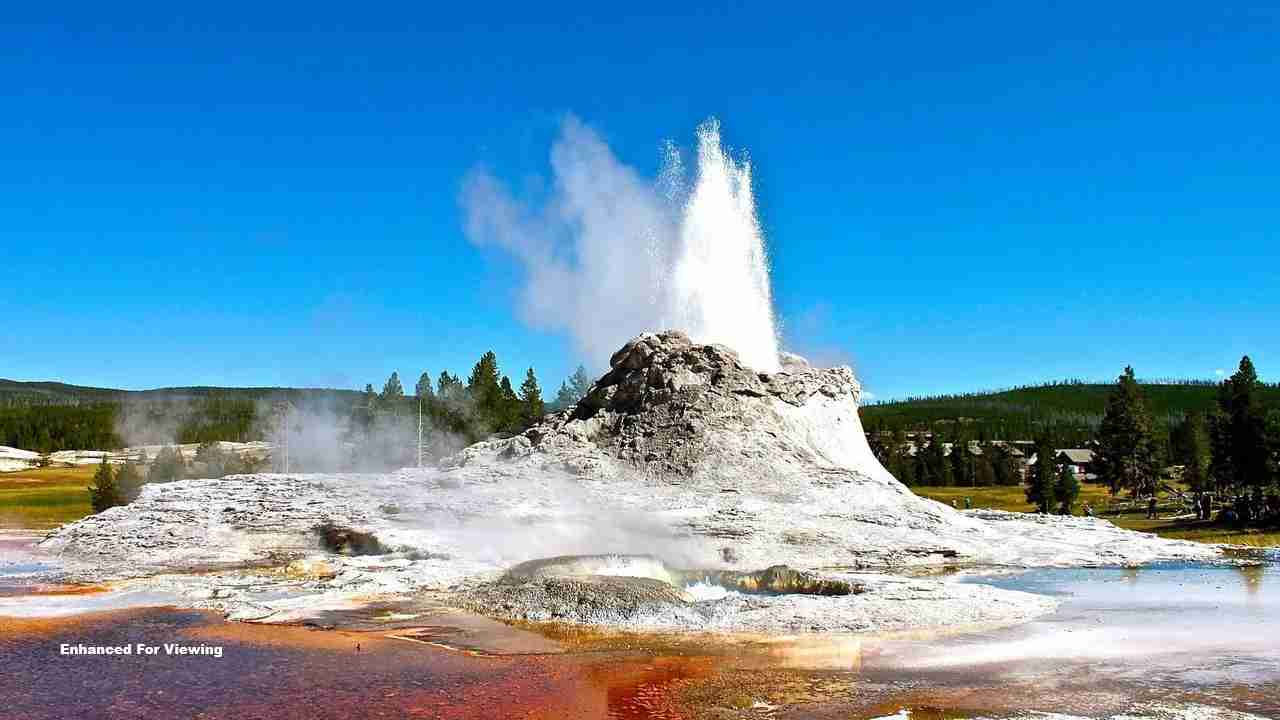
Steamboat Geyser, located in Norris Geyser Basin, is the world’s tallest active geyser and can shoot water more than 300 feet (91 meters) high. The National Park Service describes the feature as one of Yellowstone’s most changeable thermal landmarks, drawing both public attention and scientific study.
Recent decline and the 2018–2025 run
After an unusually active phase in 2018–2020, Steamboat’s eruption counts have fallen. Recorded major eruptions for each year were:
- 2018: 32 eruptions
- 2019: 48 eruptions
- 2020: 48 eruptions
- 2021: 20 eruptions
- 2022: 11 eruptions
- 2023: 9 eruptions
- 2024: 6 eruptions
- 2025: 2 eruptions (last major on April 14, 2025)
Monitoring sites such as GeyserTimes and official interpretation from the Yellowstone Volcano Observatory document this pattern and the recent slowdown.
Expert observations
“We don’t see the same clear progression from small events to big ones now,” said Mike Poland, scientist-in-charge at the Yellowstone Volcano Observatory, noting that minor activity alternates with silence rather than building to majors. Reporting on Poland’s remarks appears in The River 97.9.
What scientists think might be happening
Hydrothermal systems are complex: hot water and steam move through fractures and narrow conduits, so small changes can alter eruption behavior. Researchers point to several plausible mechanisms:
- Mineral precipitation: Dissolved minerals can clog tiny passages feeding the geyser, reducing flow and making explosive eruptions less likely.
- Shifts in heat or plumbing: Small changes in the underground heat source or fracture networks can alter timing and eruption size.
- Ongoing thermal activity: Observers note continued steam and thermal change in Norris Basin even when tall water eruptions stop — meaning the system remains hot, not dead.
No clear link to earthquakes
Steamboat’s history includes instances where changes followed earthquakes — for example, a major eruption after the 1959 Hebgen Lake quake — but park scientists emphasize there is no simple, consistent link tying every eruption or lull to seismic events. Many quiet and active stretches occur without nearby seismic triggers (National Park Service).
A long history of surprise
Steamboat has baffled observers for more than a century. Historical records show intervals between major eruptions ranging from days to decades:
- Documented since at least 1878, with intervals as short as days and as long as 50 years between majors.
- 1911–1961: roughly a 50-year stretch with no recorded major eruptions.
- 1991–2000: only a single recorded eruption.
- 2014–2018: dormancy that ended on March 15, 2018, after 3 years and 193 days of quiet.
The eruption style
When Steamboat erupts it often starts with a water phase lasting minutes to more than half an hour, sending a column over 300 feet into the air. This is often followed by long steam phases that can continue for hours or days; witnesses have reported steam roars audible up to a mile away (NPS).
Monitoring and verification
GeyserTimes, an enthusiast-run monitoring site, tracks reported eruptions and confirmed the April 14, 2025 major eruption, noting discharge changes in nearby channels. The Yellowstone Volcano Observatory provides official monitoring and interpretation of hydrothermal and volcanic activity.
Why it matters to visitors and managers
A sudden eruption can be dangerous to anyone who gets too close. Park signage and rules warn visitors to stay on boardwalks and maintain distance from thermal features. The unpredictability of Steamboat complicates visitor planning and safety messaging, especially given its potential for dramatic plumes and extended steam phases (NPS safety guidance).
Implications for Las Vegas, Nevada
Economic and tourism ties: Las Vegas is a major travel hub for Western park visitors. A high-profile, active Steamboat can boost interest in Yellowstone trips; a visible slowdown may slightly shift short-term demand for packaged tours that start or end in Las Vegas.
Scientific and outreach opportunities: Las Vegas-area universities, museums and science centers could partner on public education about geothermal systems, monitoring technology and visitor safety tied to Steamboat’s story.
Practical travel advice: For travelers booking from Las Vegas: Yellowstone offers spectacular landscapes any time, but if your main aim is to see Steamboat, expect unpredictability and flexible itineraries recommended by tour operators.
Sources and further reading
- National Park Service, Steamboat Geyser
- Yellowstone Volcano Observatory / USGS
- GeyserTimes, Steamboat record
- Report: Steamboat slowdown 2025 (The River 97.9)
- Report: Cowboy State Daily on Steamboat patterns
- Outside Online coverage of Steamboat pauses
“The slowdown does not mean Steamboat is gone.” — Scientists and park managers emphasize the geyser’s long record of swings between furious activity and long quiet, underscoring how hard geysers are to predict.
Bottom line: Steamboat remains an active, closely watched hydrothermal feature. Visitors and researchers will continue monitoring Norris Geyser Basin to learn what the next chapter will bring.