New Ramses II statue report raises questions as experts review claims of 5-ton find at Tel Pharaoh
Lede: A translated April 22 ministry statement describes a 5–6 ton limestone statue fragment attributed to Ramses II at Tel Pharaoh, but independent archaeological records and international reporting do not yet corroborate the ministry’s specific claim.
Key takeaways
- Ministry claim: Egyptian authorities reported a large limestone Ramses II fragment (5–6 tons, over 7 feet) from Tel Pharaoh moved to San El-Hagar for urgent conservation.
- No independent verification: International media and indexed archaeological databases show no corroborating coverage matching the ministry’s precise description to date.
- Contextual precedent: Authenticated Ramses II finds — including a recent upper-half discovery — confirm frequent ancient reuse and movement of royal statuary in the Delta.
- Local implications: If authenticated, the find could spur museum interest, loans and educational programs in places like Las Vegas, but verification is required first.
What the ministry statement says
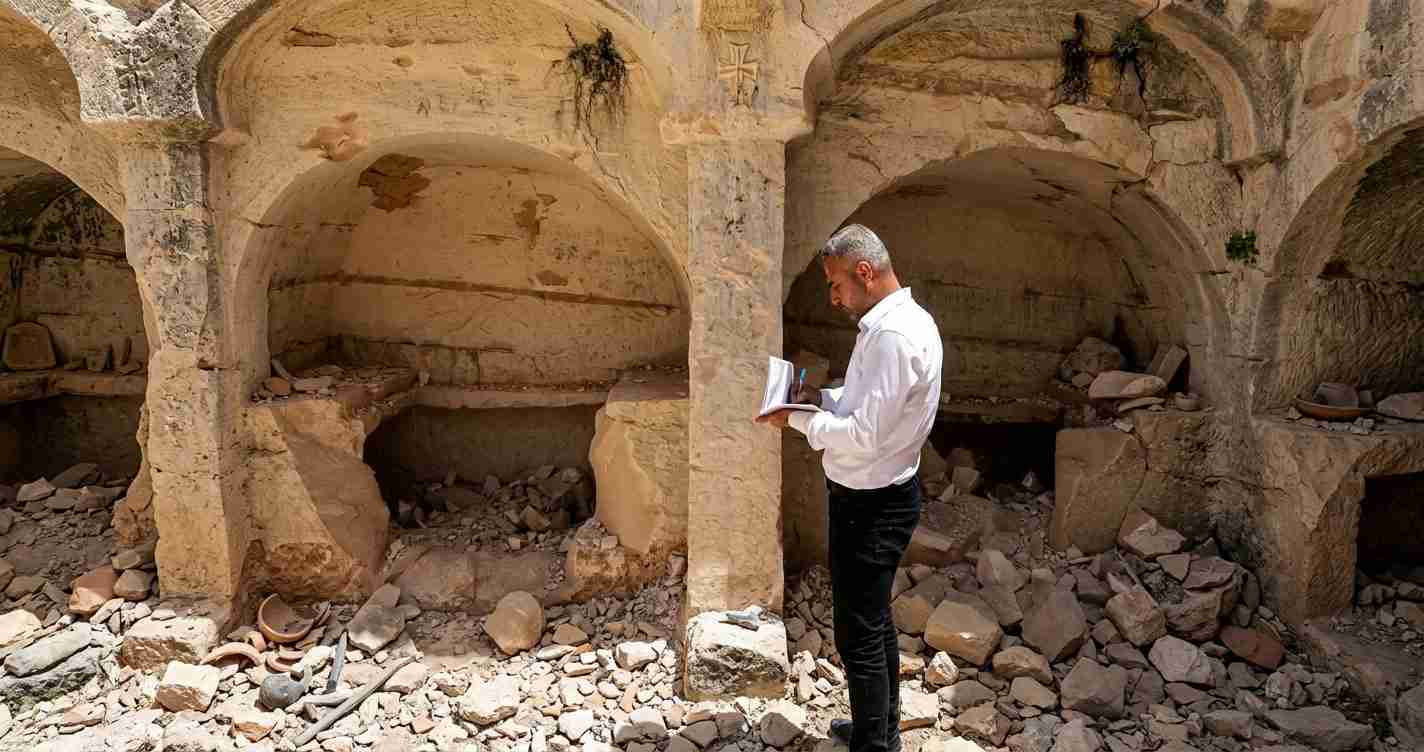
The Egyptian Ministry of Tourism and Antiquities issued a translated announcement (April 22) describing discovery of a large limestone statue fragment at Tel Pharaoh (ancient Imet) in Husseiniya Center, Sharqia Governorate. The ministry stated the piece weighs between 5 and 6 tons, measures over 7 feet long, and is in poor condition with the legs and base missing. According to the release, the fragment was moved to San El-Hagar museum storage for urgent restoration.
Mohamed Abdel Badie (antiquities official) said preliminary studies indicate ancient transportation and reuse, suggesting movement from Pi‑Ramesses and reuse in a later religious complex.
Why archaeologists are cautious
Professional archaeology depends on transparent field records, publication and peer review. Major finds typically produce site reports, excavation photographs, museum catalog entries and academic follow-up. A review of recent indexed reports and museum releases found no independent confirmation that a 5–6 ton Ramses II statue matching the April 22 description was unearthed at Tel Pharaoh.
Documented Ramses II discoveries for context
- Large standing and seated colossi: Multiple colossal statues (red granite standing figures, seated colossi) survive across museums and sites; many are dozens of feet tall and weigh many tons. See the British Museum gallery on Ramses II colossal statue.
- Recent authenticated upper-half find: Archaeologists publicized the rediscovery of a long-lost upper half (head, shoulders, torso) of a large Ramses II statue; that find received coverage in major outlets including the Smithsonian coverage of the upper-half find and an ArtNet report on the same find.
- Differences in reporting: Documented discoveries typically include extensive imagery, excavation notes and academic contacts; the April 22 ministry release may be a domestic announcement that has not yet been amplified or independently verified by international teams.
Historical context: Ramses II, Pi‑Ramesses and statue reuse
Ramses II (c. 1303–1213 B.C.) ruled for over six decades and commissioned hundreds of monuments and statues. Archaeologists have found more than 350 statues attributed to his reign in materials from limestone to red granite, often showing the king with a double crown or uraeus. His Delta capital, Pi‑Ramesses, was later quarried and dismantled, and many royal statues were moved, reused or re‑carved at other sites — a pattern consistent with the ministry’s suggestion of ancient transportation and reuse. For an overview, see the overview of Ramses II statuary and major examples.
Recent wave of Egyptian announcements
Egypt has released a string of archaeological announcements recently — from papyri to temple remains — reflecting active fieldwork across multiple sites. International databases and press often prioritize finds accompanied by detailed fieldwork reports or major museum partnerships, which can delay global coverage of domestic releases. Verified Ramses II‑related coverage in the last year includes the Hermopolis upper‑half discovery reported by the Smithsonian and ArtNet.
Source list for verification and context
- Overview of Ramses II statuary and major examples
- Coverage of a recent upper-half Ramses II find (Smithsonian)
- ArtNet report on the same find and historical context
- British Museum gallery on Ramses II colossal statue
- Video overview of major Ramses II statuary relocations and museum moves
What this means for Las Vegas, Nevada
If authenticated and exhibited internationally, a high‑profile Ramses II fragment could influence tourism, museum programming and civic cultural strategy in Las Vegas. Below are likely channels of impact and practical considerations for local stakeholders.
Economic impact
- Tourism interest: Major Egyptian finds can boost museum attendance and drive special exhibitions that attract culturally motivated travelers.
- Academic and museum partnerships: Local institutions (e.g., Nevada State Museum, universities) might pursue loans, traveling exhibits, lectures or internship programs tied to conservation projects.
Political consequences
- Civic diplomacy: Archaeological loans create platforms for cultural exchange between cities and Egypt, supporting diversified tourism strategies.
- Public funding debates: Hosting major artifacts can trigger discussion about cultural spending vs. other civic priorities.
Social effects
- Community engagement and education: Exhibits and lecture series can enrich K–12 and adult education, offering hands‑on programs about archaeology and conservation.
- Cultural sensitivity: Presentations should clearly separate archaeological evidence from religious narratives (e.g., “Pharaoh of the Exodus”) to respect diverse audiences.
Cultural relevance and practical applications
Broad appeal: Ramses II has global name recognition that can attract visitors and local interest. Practical steps for residents include monitoring museum announcements, supporting local cultural institutions through memberships or donations, and attending public programs if artifacts are loaned to U.S. museums.
Reporting next steps
Verification requires field documentation and third‑party confirmation. Reporters and civic leaders should watch for:
- Follow‑up releases from the Egyptian Ministry of Tourism and Antiquities.
- Conservation reports and catalog entries from San El‑Hagar museum storage.
- Photographs, excavation notes or peer‑reviewed publications from archaeological teams.
- Press offices of major museums that may host or study the object.
Until such documentation appears, the April 22 statement remains an important domestic announcement that awaits independent verification before it is integrated into the scholarly record.