
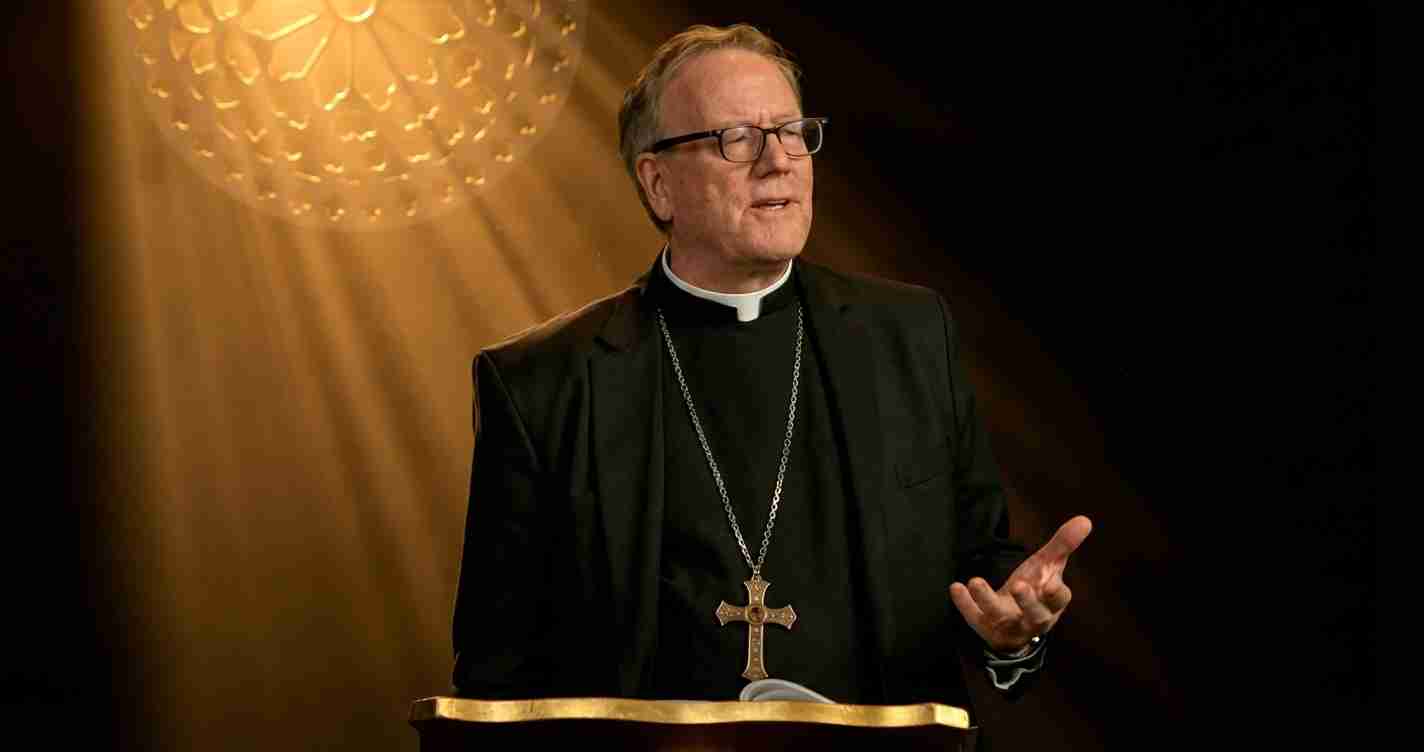
Bishop Robert Barron Blasts Mayor Zohran Mamdani’s “Warmth of Collectivism,” Sparking Wider Political Backlash
Bishop Robert Barron sharply criticized New York Mayor Zohran Mamdani’s inaugural phrase about replacing “rugged individualism” with “the warmth of collectivism,” sparking national backlash from conservatives and renewed debate over urban housing policy and ideology.
- Sharp rebuke: Bishop Barron tweeted, “For God’s sake, spare me the ‘warmth of collectivism.’” (Source)
- Historical claim: Barron cited “at least 100 million” deaths tied to 20th-century collectivist regimes and referenced Venezuela, Cuba and North Korea as contemporary cautionary examples. (Source)
- Policy ripple: Mamdani has issued housing-focused executive orders and rescinded prior city restrictions on boycotts/divestment related to Israel, prompting broader political and communal responses. (Source)
Barron’s critique: collectivism, religion and history
Bishop Robert Barron moved from social media into the wider public debate after posting,
“For God’s sake, spare me the ‘warmth of collectivism.’”
He framed his objection by arguing that collectivist doctrines produced mass suffering in the 20th century and cited estimates of “at least 100 million” deaths attributed to collectivist regimes. He also named contemporary governments — including Venezuela, Cuba and North Korea — as examples of systems he described as “disastrous.” (Source)
Religion and Catholic social teaching
Barron tied his critique to Catholic social teaching, asserting the Church condemns socialism while endorsing a market economy that upholds “the rights, freedom and dignity of the human person.” He pushed back on critics who label market-oriented systems as mere “rugged individualism,” arguing instead that markets can be grounded in rights and human dignity. (Source)
Mamdani’s inaugural message and policy moves
In his inaugural address Mayor Zohran Mamdani declared: “We will replace the frigidity of rugged individualism with the warmth of collectivism.” That line signaled a focus on collective responses to housing and social services. Within days of taking office (sworn in at midnight on Jan. 1, 2026), Mamdani signed three housing-related executive orders:
- Reviving the Mayor’s Office to Protect Tenants
- Creating a LIFT task force to leverage city land for development
- Establishing a SPEED task force to accelerate permitting for housing construction
He also revoked prior city orders that barred agencies from boycotting or divesting from Israel, a move that intensified scrutiny from some Jewish leaders and community groups. Supporters call the orders pragmatic steps to add housing supply; critics call them the beginning of a broader socialist agenda. (Source)
Broader political pushback
National conservatives reacted quickly. Governor Ron DeSantis warned that the “warmth” of collectivism “always requires coercion and force,” while Senator Ted Cruz cautioned that when “communists rule, individual rights — invariably — are taken away.” Those responses reflect a larger ideological clash where framing often eclipses granular policy discussion. (Source)
What “warmth of collectivism” means to different audiences
To supporters, the phrase signals a shift toward shared responsibility for basic needs — housing, healthcare and public services — and stronger safety nets. To opponents, including Bishop Barron and other conservatives, it raises alarms about potential threats to individual freedom and economic liberty, often invoking historical comparisons to totalitarian communist regimes. The dispute tends to center on ideological framing rather than only specific municipal policy design. (Source)
Implications for Las Vegas, Nevada
Local leaders in Las Vegas and Clark County will likely watch New York’s early housing moves for lessons. Possible implications include:
- Economic: If LIFT and SPEED-style policies expand housing supply, Nevada officials may borrow similar tools — public land use and permitting reform — to speed construction.
- Political: The collectivism vs. individual liberty debate could shape campaigns and local policy stances in a politically diverse urban electorate.
- Social and cultural: Faith communities and immigrant groups may respond strongly to religiously framed critiques linking Catholic teaching and socialism; nonprofits and tenant advocates will likely study outcomes for practical lessons.
City officials considering similar measures may also prepare for legal and political pushback and clarify program limits to reassure developers and residents.
Reporting and sourcing
This report draws on public statements, the mayor’s inaugural remarks, early executive orders, and media reactions. See the Fox News report on Bishop Barron’s remarks and reactions for the primary public account cited throughout.



