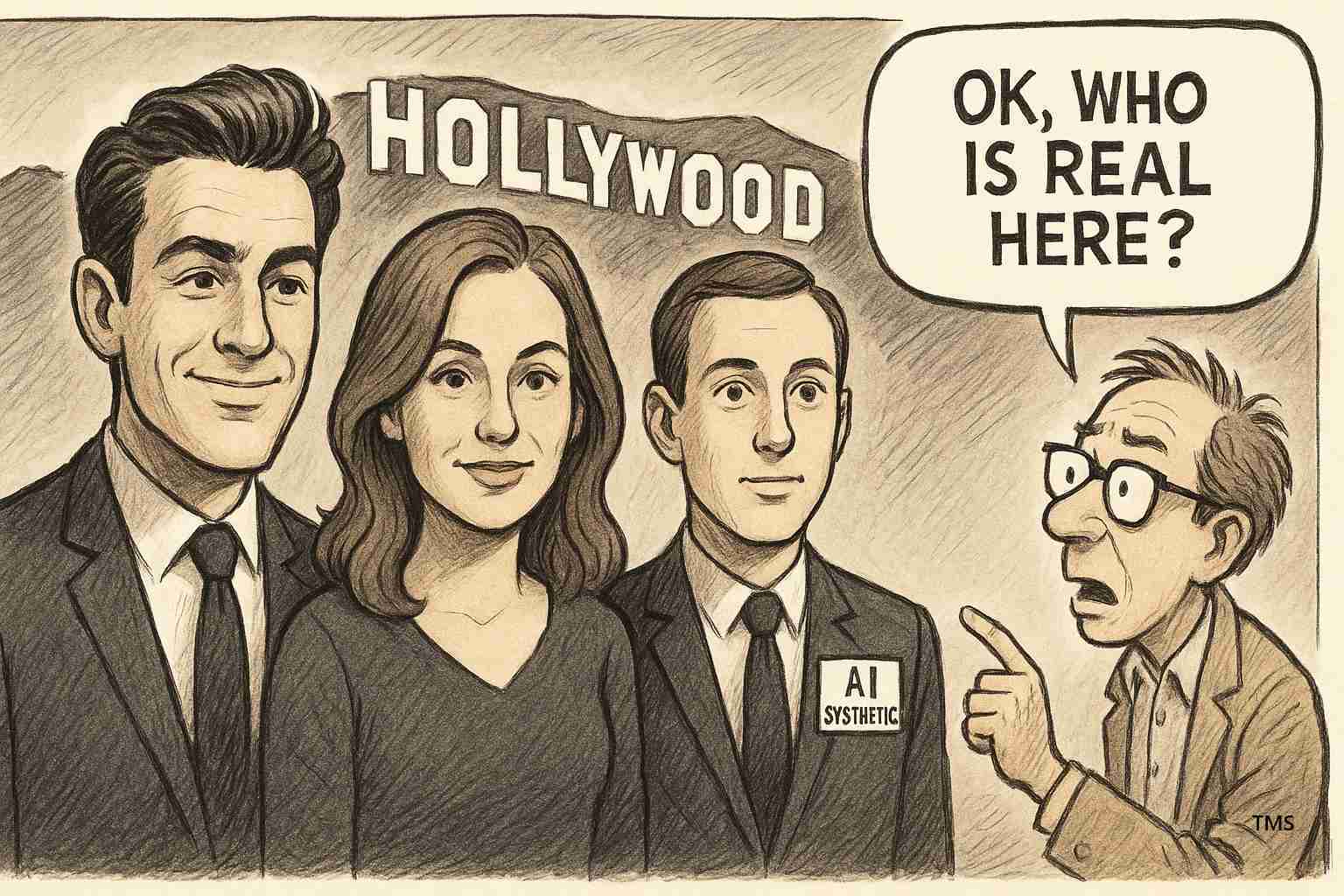
SAG-AFTRA Condemns Rise of AI Synthetic Performers After Viral Debut of Tilly Norwood
SAG-AFTRA condemned the rise of AI-generated performers after Particle Six’s artificial actress Tilly Norwood went viral, sparking urgent debate over job security, contracts, consent and whether wholly synthetic characters fall under performers’ protections, with calls for regulation.
Key takeaways
- Tilly Norwood is presented as 100% A.I., a fully synthetic performer created by Particle Six.
- SAG-AFTRA has publicly condemned the trend and urged clearer protections and rules for human actors.
- Talent interest: Particle Six says agencies and fans have expressed interest and the company has launched its own AI representation efforts (Particle Six).
- Broader questions: The case reopens debates over contracts, consent and whether synthetic characters should be treated like animation or like living performers (AI characters).
Main content
Tilly Norwood: a digital actress going viral
Particle Six unveiled Tilly Norwood in a series of produced clips that rapidly circulated online. The company says Tilly was assembled using a mix of ten AI tools, including ChatGPT, and is designed to act, speak and respond with humanlike nuance.
The promotional material shows sketches and spoofs that mirror familiar media tropes and advertising formats to demonstrate how a synthetic character can engage with the full publicity cycle. Particle Six CEO Eline van der Velden has said the character is attracting agents and fans and that the company has established its own representation process for Tilly (Particle Six).
Union alarm: SAG-AFTRA responds
SAG-AFTRA officials have voiced alarm at the growing prevalence of AI-generated performers, arguing the Tilly Norwood example underscores risks central to recent labor battles. Actors and writers pushed for AI regulation during the 2023 strikes; resulting agreements require consent and compensation when an actor’s likeness or work is used for AI replicas.
Union leaders warn that fully synthetic creations could displace human performers, depress wages and complicate ownership and credit for performances. Some actors — including Anne Marie Johnson — have warned that signing clauses allowing AI use might coerce performers out of work if refusal becomes career-limiting (SAG-AFTRA response).
“Being asked to sign clauses allowing AI use might become a choice that forces performers out of work if they refuse,” said one actor cited by union sources.
Legal and contractual questions
Current contracts negotiated amid recent labor talks do not ban AI actors outright; instead they require consent and fair compensation if an actor’s likeness or voice is used. That framework leaves open difficult questions about wholly synthetic actors — characters created entirely by machines and not modeled on any living person (wholly synthetic actors).
Industry lawyers and union negotiators are watching whether new agreements or legislation will be needed to define rights for synthetic performers, set limits on commercial representation and decide when AI creations should be considered animation versus when they should receive protections similar to living actors. The debate touches on intellectual property, residuals and moral rights tied to performance credits.
Industry reaction: celebrities and agents weigh in
Reactions have been swift and mixed. Some performers object to labeling AI creations as “actors.” Actor Nicholas Alexander Chavez called attempts to call Tilly an “actress” a “nice try” and questioned whether machines should be granted that title. Other celebrities, including Emily Blunt, have warned synthetic performers could represent a dangerous shift for working actors (industry reactions).
Particle Six maintains that Tilly is closer to an animated or CGI character — a creative tool rather than a direct replacement for humans — while simultaneously pursuing the kind of cultural visibility that can drive fandom and commercial interest. Some talent agencies are reported to be curious; Particle Six says there has been outreach from agencies and fans and that it has set up representation for the AI performer (talent interest).
Production companies’ defense and ambitions
Firms creating AI performers frame their work as creative experimentation and insist they are not trying to replace human actors. Yet promotional messaging also expresses ambitions to make synthetic performers culturally prominent, at times comparing potential trajectories to high-profile human stars — a dual message that heightens industry unease (company ambitions).
Technological divide and pace of change
The Tilly release highlights a gap between tech producers who build sophisticated AI tools and performers, unions and policy makers trying to understand and regulate them. Tech and production houses are moving quickly, often ahead of legal frameworks and labor protections, which contributes to calls from SAG-AFTRA and others for urgent regulatory clarity (pace of change).
Ethics, art, and authenticity
Beyond jobs and contracts, Tilly Norwood provokes deeper questions about art and authenticity: Can a machine “act” the way a human does? Should audiences care whether a performance was generated by code instead of a living person? Opinion is split between fascination with technical possibility and concern for the future of creative labor (ethics debate).
Implications for Las Vegas, Nevada
Las Vegas’ entertainment economy depends heavily on live performers, production crews and venue-based spectacle. The rise of synthetic performers could have multiple local impacts:
- Economic impact: Wider use of AI-generated performers in advertising, streaming or residency formats could reduce opportunities for local actors, background performers and stagehands and pressure wages.
- Political consequences: Nevada lawmakers and Las Vegas-area leaders may be drawn into regulatory debates, potentially proposing state-level protections or supporting federal standards to protect performers.
- Social effects: Workers in hospitality and entertainment may face heightened anxiety; community organizations might expand training programs to help performers adapt to AI collaboration.
- Cultural relevance: Las Vegas’ identity as a live-entertainment capital may spur discussions among venues, producers and unions about preserving human-driven spectacle.
- Practical applications: Local production companies and ad agencies may pilot synthetic talent for low-risk digital campaigns or concept prototyping, while talent agencies weigh whether to represent AI-only clients under union rules.
Reporting note and source
This article is based on material from Particle Six’s public release and related coverage. Further developments are likely as unions, production companies, talent agencies and lawmakers respond to the Tilly Norwood case and the broader debate over synthetic actors.