After the Buyout: How Disney’s Lucasfilm Purchase Turned a Sure Thing Into an Uncertain Future for Star Wars
In 2012 Disney bought Lucasfilm and Star Wars for $4.05 billion, aiming to expand films, TV, parks and merchandise; over a decade later the deal delivered major revenue but spawned uneven creative output and divided fans.
Key takeaways
- Financial success: Disney has recouped the purchase price many times over via box office, Disney+ and merchandising.
- Creative volatility: Early wins like The Force Awakens and The Mandalorian were followed by uneven films and rapid creative turnover.
- Fan erosion: Audience enthusiasm appears weaker ahead of the May release of The Mandalorian and Grogu, signaling possible brand fatigue.
- Local impacts: Cities like Las Vegas that rely on tentpole buzz may see smaller short-term economic lifts if franchise momentum slips.
Background: the acquisition and the promise
When Disney CEO Bob Iger closed the Lucasfilm deal on Oct. 30, 2012, Disney acquired not only a storied franchise but story outlines for a sequel trilogy and a vast IP library. George Lucas remained briefly as a consultant and shareholder. Disney presented the acquisition as a plan to relaunch Star Wars for new generations, expanding the brand across films, TV, parks and retail.
Contemporaneous coverage and retrospective analysis of the acquisition are documented in sources such as the Taipei Times coverage of the 2012 sale and a YouTube background documentary, as well as a Slideshare acquisition analysis.
Early returns and financial picture
Financially, the acquisition has been a clear win. Analysts and industry observers report that Disney has recovered the $4.05 billion purchase multiple times through theatrical receipts, Disney+ subscription growth and the franchise’s merchandising engine. One retrospective called the purchase a “steal” from a revenue standpoint.
On the production side, The Force Awakens (2015) delivered roughly $937 million domestically and jump-started tie-ins across parks and streaming. Still, the sequel trilogy that followed struggled to maintain a unified creative direction, a point frequently raised in trade reports and fan analysis.
Mixed creative results: hits and misses
Under Disney and Lucasfilm leadership, particularly during Kathleen Kennedy’s tenure, output has included both praised and panned projects. The pattern of rapid creative turnover and executive intervention has been cited as a reason for uneven storytelling and fan frustration.
Notable hits
- Rogue One: A Star Wars Story (2016) — reputation has improved for its darker, self-contained tone.
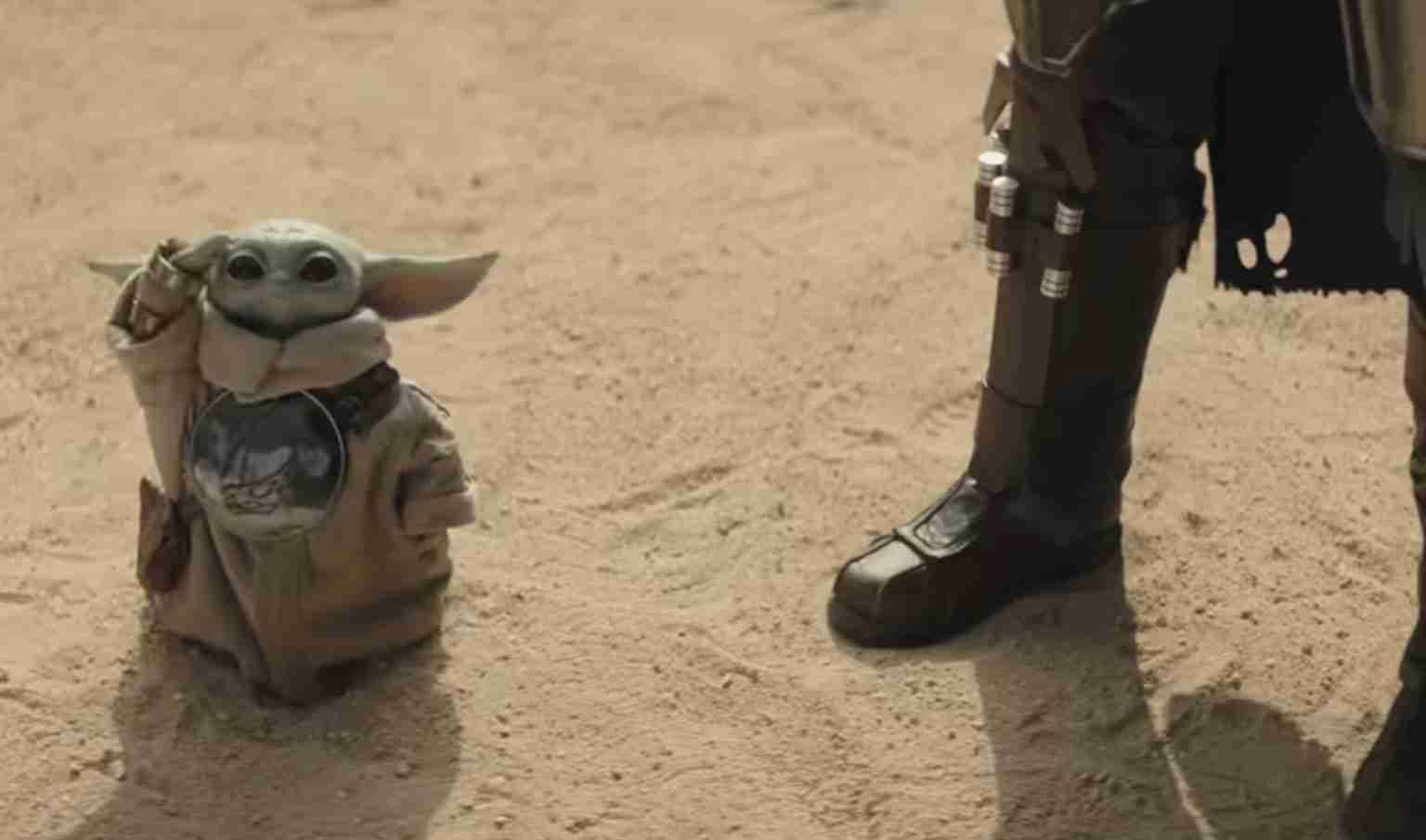
- The Mandalorian (season one) — became a cultural moment and introduced Grogu, a merchandising and streaming phenomenon.
- Andor — garnered praise for character work and a grounded tone on Disney+.
Notable misses and controversies
- Solo: A Star Wars Story (2018) — underperformed relative to expectations, opening to about $84 million domestically and finishing near $392 million worldwide.
- The Last Jedi (2017) and The Rise of Skywalker (2019) — polarized fans and critics over character arcs and franchise tone.
- Recent cancellations and low-viewership shows — some projects were canceled or scaled back after poor audience response.
“The deal has paid off financially, but creative stumbles and fan fatigue now test the franchise’s ability to drive the same benefits it once did.”
Industry tracking and the next big test
Disney’s next major theatrical test is The Mandalorian and Grogu, directed by Jon Favreau and slated for a May release. This is the first major Star Wars theatrical title since 2019 and the first film outside the main episodic saga since Solo. Early industry tracking suggests advance interest and awareness are lower than past tentpoles, indicating eroded goodwill among segments of the fan base.
Tentpole films rely on built-in brand enthusiasm to drive ticket sales, cross-promotional events and merchandising. Weaker early signals increase pressure on Disney to reinvigorate marketing and rely on positive early reviews to restore momentum.
Implications for Las Vegas, Nevada
Las Vegas’ local economy, tourism and cultural rhythm can be affected by franchise momentum:
Economic impact
A softer Star Wars brand can reduce theater traffic, concession and ticket revenue tied to big-release weekends. Hotels and restaurants that benefit from premiere-driven weekend bookings may see smaller bumps without marquee film-driven crowd surges.
Tourism and themed experiences
While Las Vegas does not host Disney’s Galaxy’s Edge, conventions, licensed events and pop-culture retail rely on franchise momentum. Reduced Star Wars excitement could lower convention attendance and vendor revenue, impacting exhibition halls and local businesses.
Local jobs and the creative economy
Temporary hires for premieres, promo events and themed experiences could decline if fewer large-scale promotions are scheduled. Film festivals, fan gatherings and sponsorship-driven events may see diminished booking demand.
Cultural and social effects
Star Wars moments fuel local media coverage, themed nights and family outings. A less vibrant release calendar may reduce communal cultural events and the informal gatherings that build local fan communities.
Practical local considerations
- Movie theaters should track advance sales and consider targeted promotions or double features to bolster attendance.
- Convention planners and retailers should diversify guest lists and merchandise to avoid overreliance on any single IP.
- Local venues can invest in alternative franchises or homegrown experiences to fill potential gaps in programming.
Sources used in this investigation
Primary sources and background materials cited in this article include:
- YouTube background documentary
- Slideshare acquisition analysis
- Taipei Times coverage of the 2012 sale
- Retrospective blog analysis and compilation of releases and performance
Reporting note
Some commentary referenced here comes from blogs and industry roundups. Where possible, this article cross-references multiple accounts and box-office figures reported in trade press and official studio statements. Readers seeking full box-office breakdowns or detailed tracking data should consult trade outlets and theatrical distribution analysts for the latest numbers.