Robot delays Southwest flight after humanoid passenger’s lithium battery flagged on Flight 1568
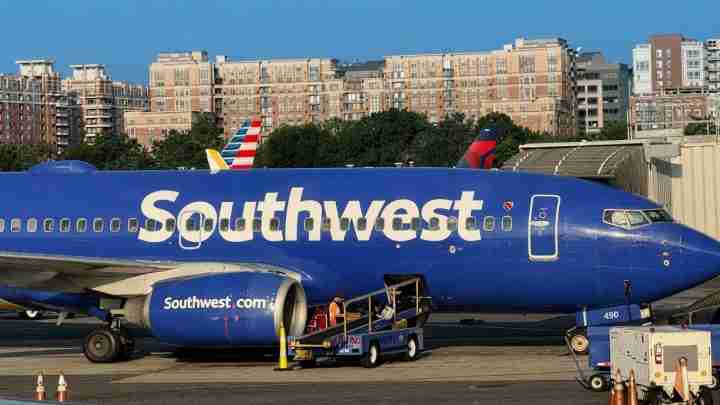
A Southwest flight from Oakland to San Diego on April 30, 2026, was delayed about an hour after crew flagged Bebop’s lithium battery as too large, prompting its removal and coordination between Elite Event Robotics and the airline.
- Flight: Southwest Airlines Flight 1568 — delayed roughly one hour after battery removal for safety compliance.
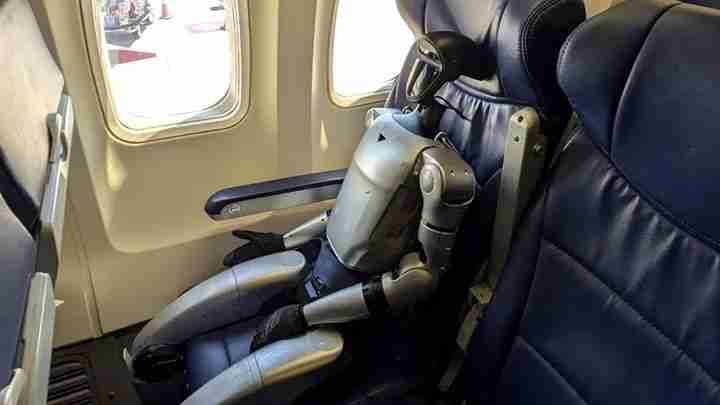
- Device: Bebop, a 4-foot humanoid robot (~70–75 lb); team purchased a seat and registered it as an inanimate object.
- Reason: The robot’s lithium battery exceeded Southwest’s allowable limits and was removed per airline/TSA guidance.
- Operational impact: Mixed passenger reactions, missed-connection complaints, and logistical re-routing of the withheld battery.
What happened
Elite Event Robotics transported Bebop to Oakland earlier in the day after moving the robot from Dallas. At the gate Bebop drew a crowd; handlers said the robot danced and exchanged high-fives with children while many passengers recorded video. Because the robot and its transport case exceeded Southwest’s 100‑pound carry limit, the team purchased an extra seat and registered Bebop as an inanimate object to board.
Where the delay came from
The delay occurred after flight attendants identified Bebop’s lithium battery as exceeding the airline’s allowable size for onboard transport. Per Southwest’s request, handler Eily Ben‑Abraham removed the battery and was instructed to contact the airline’s confiscation department about reclaiming it later. With the battery removed, the aircraft was cleared to depart — about one hour late.
“The device’s lithium battery exceeded the maximum allowable size, so the customer was asked to remove it,” Southwest told media, praising its crew’s professionalism and emphasizing that passenger and employee safety is the carrier’s top priority.
Passenger reactions and operational impact
Reactions were mixed: some passengers enjoyed the impromptu entertainment from the dancing robot, while others were frustrated by the delay. Social posts collected by NDTV quoted travelers who said the interruption caused missed connections and extra expenses — one user claimed a missed connection cost about $400 more. Some commenters argued Bebop should have been handled as freight rather than as a passenger seat purchase.
Southwest’s crew moved Bebop from an aisle seat to a window seat and secured the device before takeoff. Notably, Bebop had flown earlier that day from Dallas to Oakland without issue; the battery rules became decisive on the Oakland‑to‑San Diego leg.
Regulatory context — why batteries matter
Lithium batteries are tightly regulated because they can overheat and ignite in confined aircraft spaces. Agencies like the TSA and aviation regulators set limits by watt‑hours (Wh):
- Under ~100 Wh: generally allowed in cabins.
- ~100–160 Wh: may require airline approval.
- Above ~160 Wh: typically prohibited in passenger cabins or as carry‑on spares.
Because Bebop’s battery exceeded Southwest’s allowable limit, the airline removed it to comply with safety rules and regulatory guidance.
How the team handled the battery after removal
Elite Event Robotics scrambled to keep the robot on schedule. Per media reporting, family members drove more than five hours to retrieve the withheld battery in California and then overnighted it to a Chicago hotel so Bebop could appear at a scheduled event that weekend. The company said it plans to transport Bebop battery‑free on future flights to avoid repeat issues.
Source documentation and video
- Fox News Digital reporting with handler interview and Southwest statement
- NDTV coverage of passenger reactions and timeline
- Video recap on YouTube showing gate activity and reporting on the delay
- TSA guidance on lithium batteries and air travel
Why buying a seat isn’t a workaround for battery rules
Purchasing a seat does not override federal or airline safety limits on hazardous items. Airlines often permit customers to buy empty seats for large instruments or inanimate objects, but battery safety rules are separate. That is why Southwest could require battery removal even after the team purchased a seat for Bebop.
Impact on Elite Event Robotics and the robot business
For companies renting interactive robots, air travel frequently poses logistical headaches. Large batteries that power motors, sensors and lighting may violate cabin limits, forcing handlers to:
- Ship batteries separately by ground or approved courier;
- Obtain airline approvals well in advance;
- Or travel battery‑free and coordinate local battery delivery, as Elite Event Robotics did.
Result: added cost, scheduling complexity, and new operational checklists for national tours.
Implications for Las Vegas, Nevada
Economic impact
Las Vegas is a major destination for conventions and entertainment where robots and high‑tech exhibits increasingly appear. Event planners and vendors should budget for extra shipping time, courier costs and potential delays due to battery regulations, which could increase the cost of bringing robotic attractions to Strip hotels and the Las Vegas Convention Center.
Political consequences
City and state officials promoting Las Vegas as a tech and convention hub may use incidents like this to press for clearer guidance from carriers and airports. Outreach between local authorities, airlines and convention organizers could reduce last‑minute disruptions for vendors.
Social effects
Residents and visitors expect spectacle. A dancing robot attracting crowds fits Las Vegas’ culture, but travelers facing delays may push for stricter vendor rules at conventions and airports to protect schedules.
Cultural relevance
Robots at trade shows and promotional events are headline‑making attractions for tourism marketing. The Bebop incident highlights a tension between spectacle and safety that event organizers in Las Vegas will likely weigh.
Practical applications for event planners and travelers
- Vendors: verify battery capacities and airline policies well before travel; consider ground shipping or approved couriers.
- Convention organizers: include battery limits and packing checklists for exhibitors and provide airport contact points to avoid day‑of surprises.
- Travelers: know that unusual carry items may be allowed as paid seats but still face separate safety checks.
Reporting notes
This account is based on interviews and statements reported by Fox News Digital reporting and NDTV coverage, along with video of the gate scene (YouTube recap). Southwest’s comments were provided to media and cited in those reports. See the TSA guidance on lithium batteries for background on watt‑hour thresholds that led to the airline’s decision.