Conservationists ask federal protections for rare Red Rock sunflower threatened by heavy visitation
Environmental groups petitioned the U.S. Fish and Wildlife Service to list the rare Helianthus devernii as endangered after finding fewer than 1,000 plants in Calico Basin, Nevada, threatened by heavy visitation, habitat degradation and climate-driven hydrologic change.
Key takeaways
- Petition filed: Center for Biological Diversity and Save Red Rock asked the U.S. Fish and Wildlife Service to list the Red Rock sunflower under the Endangered Species Act.
- Very limited range: The species is known only from Calico Basin within Red Rock Canyon National Conservation Area near Las Vegas.
- Small population: Fewer than 1,000 plants survive in three small populations near alkaline desert springs (petition & supporting documents).
- Multiple threats: Heavy visitation, soil compaction, invasive species, wild horses and burros, drought and groundwater change threaten the sunflower’s survival.
What happened
On February 10, 2026, conservation organizations led by the Center for Biological Diversity and Save Red Rock formally petitioned the U.S. Fish and Wildlife Service (FWS) to list the Red Rock sunflower (Helianthus devernii) as endangered. The filing cites heavy visitor use, habitat degradation, invasive species and climate-driven hydrologic changes as immediate threats to fewer than 1,000 remaining plants.
Discovery and description
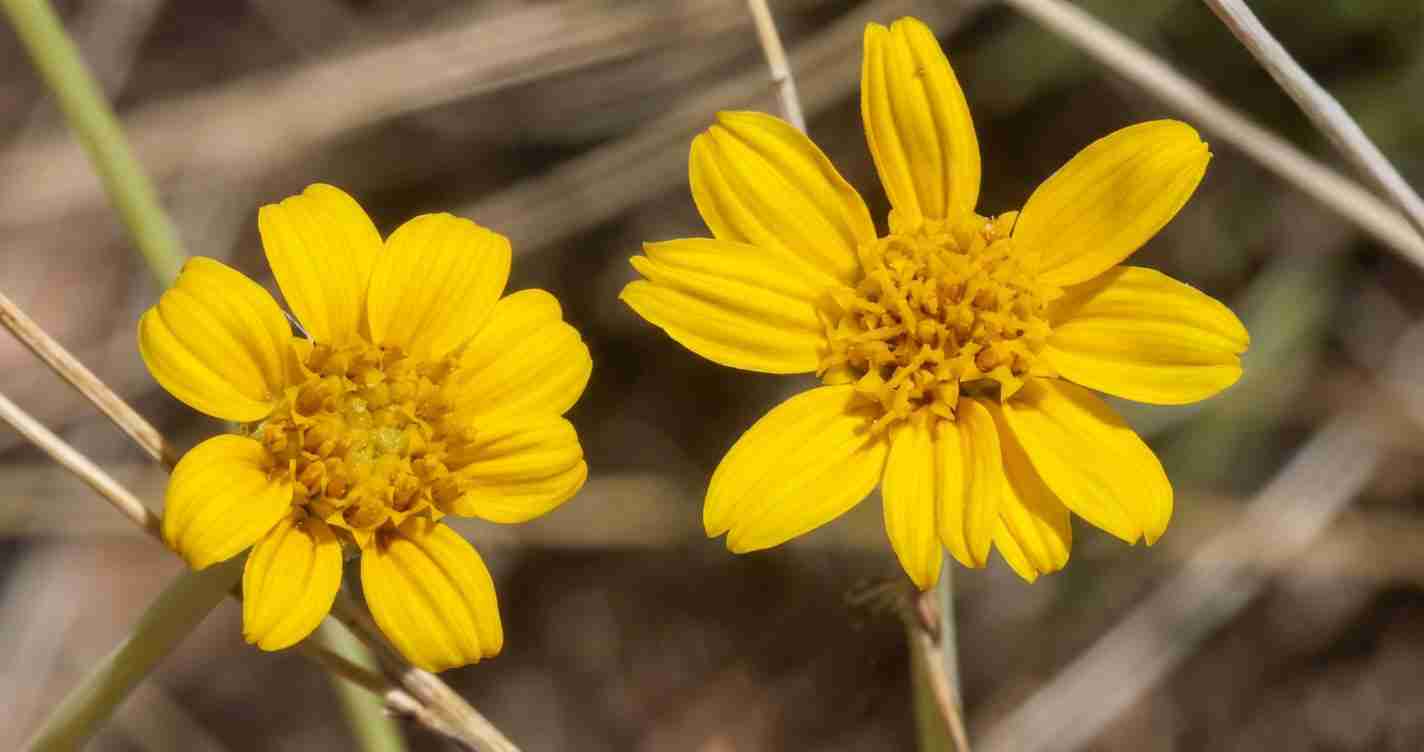
The Red Rock sunflower was first collected in 2007 during botanical surveys of the Spring Mountains and later described as a distinct species after expert review. It is a small, perennial sunflower noted for a characteristically “charmingly lopsided” bloom and is confined to tiny patches around alkaline springs in Calico Basin.
Technical documentation in the petition describes the species’ microhabitat and distribution in detail; see the petition and supporting documents for maps and scientific notes.
Why the plant is at risk
Conservationists stress that the sunflower’s extremely narrow range and dependence on spring-fed groundwater make it vulnerable to a range of threats:
Visitor pressure
Calico Basin lies among some of Red Rock Canyon’s most popular trails and climbing areas. The conservation area receives nearly 3 million visitors annually, and unofficial trails, repeated foot traffic and equestrian use compact soils, destroy seedbeds and transport invasive-plant seeds into the sunflower’s tiny populations.
Climate and hydrology
The sunflower depends on groundwater from localized springs. The petition highlights prolonged regional drought—part of the Southwest’s most severe dry period in over a millennium—and warns that altered groundwater or a single severe drought-driven wildfire could eliminate one or more populations.
Invasive species and wildlife
Seeds and plant fragments hitch rides on boots, pets and hooves. Feral horses and burros, together with invasive grasses, increase fuel loads and the risk that a wildfire could destroy the species’ entire habitat.
Land ownership and management challenges
Roughly half the known plants occur on Bureau of Land Management (BLM) parcels and the rest on private inholdings within the conservation area. The petition cites that about 55–57% of habitat is BLM-managed and 43–45% is privately held, complicating rapid, uniform protections. While public land status limits development, the BLM’s staffing and budget constraints make detailed monitoring and visitor management difficult.
What the petition asks for
The petition requests that FWS list Helianthus devernii as endangered under the Endangered Species Act, citing the statute’s factors — habitat destruction, overuse, inadequate regulatory mechanisms, disease or predation, and other natural or manmade factors such as climate change — to justify a federal status review.
If listed, the species could receive protections including restrictions on damaging activities, funding for recovery actions, and designation of critical habitat. The petition also references Nevada’s 2024 state-level Critically Endangered designation as support for federal action.
Federal timeline and next steps
Under the Endangered Species Act, FWS generally has 90 days to determine whether a petition presents substantial information to warrant a status review. That 90-day finding would either open a status review (and possibly a proposed listing) or conclude the petition lacks sufficient evidence. At the time the petition was filed, FWS had not issued a public response.
Voices for the sunflower
“These charmingly lopsided sunflowers are already incredibly rare, and without federal protection they could vanish from the face of the Earth,” said Megan Ortiz, staff attorney at the Center for Biological Diversity.
Michelle St. Angelo, executive director of Save Red Rock, said the species “needs an army of advocates and stewards” to survive growing visitor impacts and environmental change.
Local context and reporting
A 2024 presentation by the Nevada Division of Natural Heritage provided population and land-ownership data used in the petition and planning. Local media and public radio have reported on concerns about visitor impacts and the BLM’s management capacity at Red Rock Canyon, which draws recreationists from Las Vegas and beyond.
Implications for Las Vegas, Nevada
Economic and recreational balance
Red Rock Canyon is a major outdoor draw for Las Vegas residents and visitors. Federal protections that limit access around sensitive Calico Basin patches could affect hikers, climbers and tour operators, but they could also unlock funding for protective infrastructure such as boardwalks, fencing and staffing to safeguard fragile plant populations.
Policy and land management
A federal listing would provide the BLM and partners clearer legal authority and potential funding to redesign trails, fence sensitive patches and negotiate conservation agreements with private landowners. Municipal and federal stakeholders may need to increase coordination to balance access with species protection.
Practical effects for residents
If listed, residents and visitors could see clearer trail markers, restricted off-trail access in sensitive zones, temporary seasonal closures, and limits on horse and packstock use in parts of Calico Basin. Parks programs might offer more guided hikes and signage to explain why rules matter; outdoor businesses may emphasize stewardship-focused trips.
What to watch next
- Whether the U.S. Fish and Wildlife Service issues a 90-day finding that opens a status review (petition).
- Any BLM statements or interim management actions to protect Calico Basin without federal listing (coverage).
- Local conservation partnerships and private landowner agreements that could secure additional protections (press release).