BLM begins Spring Mountains Complex wild horse and burro gather
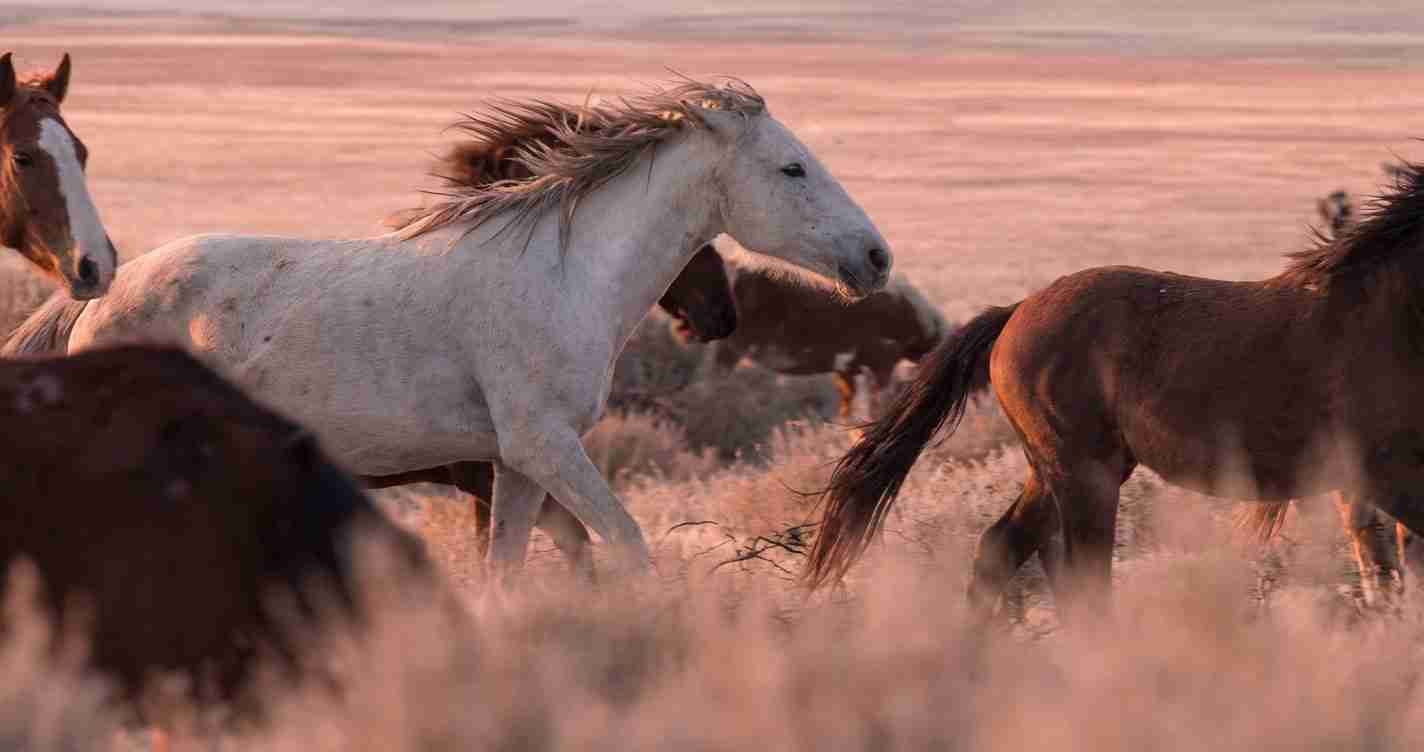
The Bureau of Land Management has begun a bait-and-water gather in the Spring Mountains Complex in Clark County, Nevada, near Las Vegas, planning to remove about 850 wild horses and burros to address land degradation and safety risks.
- Method: Temporary bait-and-water traps only — no helicopters.
- Scale: Planned removals of about 425 wild horses and 425 wild burros (≈850 total).
- Purpose: Restore rangeland health, prevent public-land degradation, and reduce roadway collision risks.
Gather overview and authority
The Pahrump Field Office of the BLM is conducting the gather in the Spring Mountains Complex in Clark County — roughly 60 miles west and northwest of Las Vegas — using temporary bait-and-water traps. The action is being carried out under Section 1333(b) of the 1971 Wild Free-Roaming Horses and Burros Act and the Spring Mountains Complex Wild Horses and Burros Herd Management Plan Environmental Assessment, with NEPA documents available on the BLM National NEPA Register.
Gather method and logistics
BLM will use traps made from corral panels, stocked with water and forage to entice animals into enclosures. The agency says the bait-and-water method reduces stress and limits public presence at trap sites because wild horses and burros are less likely to approach if there is excessive activity nearby. Helicopters will not be used during this operation.
Captured animals will be transported to Palomino Valley Off-Range Corrals in Reno, where each animal will be evaluated by a veterinarian and processed for placement through the BLM Adoption and Sales Program. The BLM will post gather reports and operational updates on the official gather website and implement temporary closures around trap locations for public safety.
Technical contact: Allison Meaney, Wild Horse and Burro Specialist, (702) 515-5000.
Herd Management Areas and population figures
The Spring Mountains Complex is managed as three HMAs with the following details and Appropriate Management Levels (AMLs):
- Johnnie HMA: Total acreage 179,368 (177,237 BLM acres + 2,131 mixed); BLM does not manage Johnnie for wild horses; AML for wild burros: 65–108.
- Red Rock HMA: Total acreage 161,969 (157,443 BLM acres + 4,526 mixed); AML: 16–27 wild horses and 29–49 wild burros.
- Wheeler Pass HMA: Total acreage 275,575 (273,898 BLM acres + 1,677 mixed); AML: 47–66 wild horses and 20–35 wild burros.
Current BLM estimates show 749 horses and 1,048 burros across the complex (not counting the 2026 foal crop), totals substantially higher than the combined AMLs — a disparity the BLM cites to justify the scale of removals.
Purpose, legal authority and ecological concerns
The BLM lists three primary objectives for the gather:
- Prevent undue or unnecessary degradation of public lands.
- Restore a thriving natural ecological balance and multiple-use relationship consistent with the Wild Free-Roaming Horses and Burros Act.
- Reduce public safety risks tied to animals moving onto state highways and county roads.
The agency notes excess animals can damage vegetation, water sources and fencing, harm private property, and threaten habitat for native species such as mule deer, sage grouse and raptors. The gather follows analyses in the environmental assessment and NEPA documents available on the BLM National NEPA Register (NEPA Register).
Animal welfare, public safety and community concerns
BLM characterizes the bait-and-water method as less disruptive than helicopter roundups and intended to reduce stress and minimize the operational footprint. Nevertheless, gathers of this size often raise concerns including:
- Stress and injury risk to animals during capture and transport.
- Long-term fate of removed animals and adequacy of adoption or placement programs.
- Whether removals address root causes such as habitat loss, water scarcity, or broader rangeland management.
BLM also emphasizes public safety: herds near highways can increase collision risks and damage fences, water lines and private grazing infrastructure. The agency will use posted closures and public messaging to limit interactions with trap sites.
Implications for Las Vegas and Clark County
Economic, political and social effects for the Las Vegas region could include:
- Economic: Short-term contracting for trap construction, transport and services may benefit local vendors; long-term care and adoptions occur at Palomino Valley in Reno.
- Political: The gather may prompt calls for improved federal-local coordination on land and wildlife management, transparency, and highway-animal collision response.
- Social/public safety: Reduced collision risk is a concrete public-safety benefit; temporary closures could affect local travel near trap sites.
- Cultural: Wild horses and burros are iconic in Nevada, highlighting tension between heritage values and sustainable land use.
Residents are advised to report sightings of animals near roads to local law enforcement and the BLM, document property damage, and watch for official BLM notices and closures.
Reporting, transparency and where to find documents
The BLM will publish gather reports and updates on the official gather website. NEPA materials and the environmental assessment are available through the BLM National NEPA Register. Key official resources include the BLM announcement, the Spring Mountains Complex gather overview and HMA details, and the BLM National NEPA Register.
Sources and further reading
- BLM announcement: “BLM will begin Spring Mountains Complex wild horse and burro bait and water gather”
- BLM gather page: Spring Mountains Complex gather overview and HMA details
- BLM National NEPA Register
For technical questions: Allison Meaney, Wild Horse and Burro Specialist, (702) 515-5000.