Freddie Freeman’s 18th-inning walk-off lifts Dodgers in epic World Series Game 3; Shohei Ohtani reaches base nine times in historic night
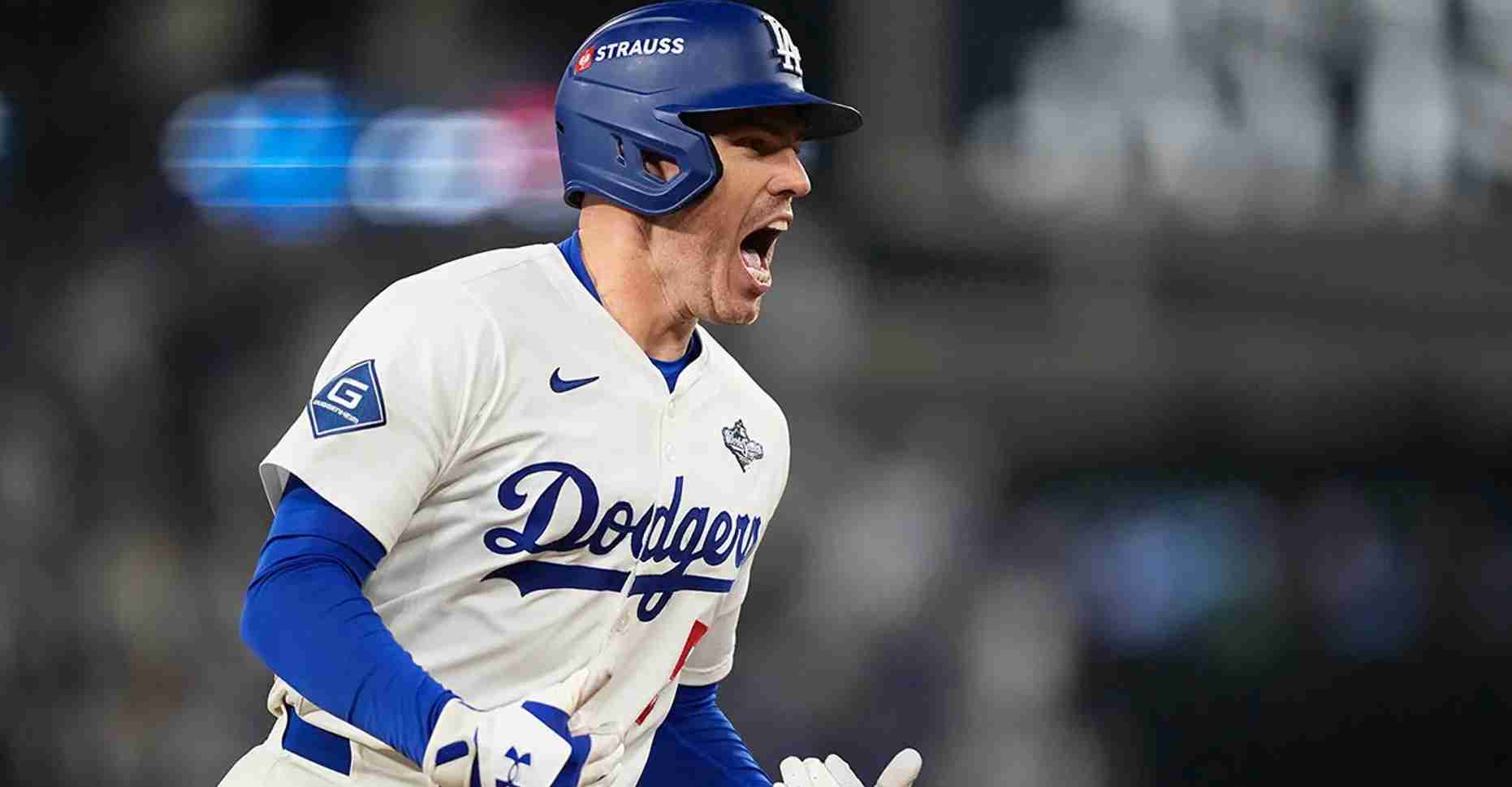
Freddie Freeman’s 18th-inning walk-off homer gave the Los Angeles Dodgers a 6-5 win over the Toronto Blue Jays in a six-hour, 49-minute Game 3 of the World Series on October 27, 2025, after Shohei Ohtani’s historic night.
Key takeaways
- Final score: Dodgers 6, Blue Jays 5 — game decided in the bottom of the 18th.
- Walk-off: Freddie Freeman hit a center-field home run (exit velocity 107.4 mph, launch angle 34°, distance 405 feet) — see the MLB video and the video replay.
- Shohei Ohtani: reached base nine times with two homers and two doubles (four extra-base hits), tying a 119-year-old mark — reporting.
- Series: Dodgers lead the World Series 2-1 after Game 3 — series reporting.
Game recap and analysis
Overview: The Los Angeles Dodgers edged the Toronto Blue Jays, 6-5, after an 18-inning marathon that lasted six hours and 49 minutes. The game combined a signature clutch moment from Freddie Freeman with one of the most remarkable individual World Series nights in recent memory from Shohei Ohtani.
Freddie Freeman’s walk-off: the moment and the mechanics
The hit: Freeman ended the longest extra-inning World Series game in modern memory with a center-field blast in the bottom of the 18th. The ball cleared Dodger Stadium after traveling 405 feet at an exit velocity of 107.4 mph and a launch angle of 34°. See the official game video and hit tracker and the video replay.
Game management: From an investigative perspective, the walk-off highlights bullpen usage and late-game decision-making. Toronto cycled through multiple relievers over the marathon; Los Angeles relied on bench depth and late-inning matchups to keep the game alive. In extra innings, depth and timely hitting often outweigh single-pitcher dominance.
“In extended games, managerial choices and bullpen depth become decisive — it’s a different test than a nine-inning contest.”
Shohei Ohtani’s historic game: numbers and strategy
Stat line: Ohtani reached base nine times, collected two home runs and two doubles (four extra-base hits), and was intentionally walked multiple times late in the game — a mix that produced a historically rare performance (reporting).
Strategic response: Toronto issued consecutive intentional walks to limit Ohtani’s power — a tactical choice that acknowledges his game-changing swing while creating difficult run-scoring scenarios. That conservative approach forced pitchers into low-risk sequences but also put additional runners on base, illustrating a tension between individual dominance and team run production.
Game context: starting pitching, momentum and the series
Max Scherzer started for Toronto and exited after 4 1/3 innings with the Blue Jays holding a 4-2 lead. The Dodgers chipped away, tied the game and forced extra innings, turning the contest into a stress test for both bullpens (game context).
Series implications: With the win, Los Angeles takes a 2-1 series lead. Extended games affect reliever workloads and could alter pitching plans in the short term; managers must consider rest, matchup availability and bullpen length for upcoming games.
What the numbers tell us
- Exit velocity & launch angle: Freeman’s batted-ball metrics (107.4 mph, 34°) reflect elite contact quality that produced the decisive hit.
- Ohtani’s on-base total: Nine times on base with four extra-base hits places him in rare historical company and emphasizes his dual threat as a power and on-base hitter (reporting).
- Game length impact: A six-hour, 49-minute game increases injury risk, complicates recovery and forces strategic adjustments for both teams and broadcasters.
Reporting and reaction
Highlights and replays circulated immediately after the game — watch the MLB highlight and the YouTube replay. Local beat writers and fan outlets offered rapid recaps and clubhouse reaction, including a detailed take at game recap and reaction.
Implications for Las Vegas, Nevada
Economic impact
- Sports betting: Las Vegas sportsbooks likely experienced heavy handle and late-night swings during the 18-inning finish; in-play odds and settlement timing were affected.
- Hospitality: Casino bars and viewing venues benefited from extended patronage, enhancing revenue and future event demand.
Political and municipal considerations
- City operations: Long, late-night sporting events affect transit, crowd control and staffing for public safety agencies.
- Civic branding: High-profile national events support Las Vegas’s positioning as an entertainment and sports capital.
Social effects and community engagement
- Fan communities: Dramatic moments like Freeman’s walk-off strengthen local fan networks and social engagement.
- Youth sports: Marquee games often spur interest in youth baseball and related programming.
Cultural relevance
The combination of Freeman’s clutch hit and Ohtani’s historic performance reinforces Las Vegas’s emerging narrative as a hub for major sports drama and star power.
Practical applications for residents
- For bettors: Check sportsbook rules for settlement on long, extra-inning games; some wagers settle differently.
- For businesses: Casinos and bars can plan promotions and special viewing nights to capture sustained interest for the series.
- For teams: Local programs may adjust schedules or outreach to capitalize on renewed baseball enthusiasm.
Sources and further reading
- MLB — Freddie Freeman homer video and data
- YouTube — Game replay
- TrueBlueLA — Local Dodgers coverage and recap
- Arab News — Shohei Ohtani historic game reporting
- Fox Sports — Game context and series implications
This 18-inning classic combined a signature clutch moment — Freddie Freeman’s walk-off — with one of the most singular individual performances in modern World Series history from Shohei Ohtani. The game will influence pitching plans, betting lines and fan memories as the series continues.