Chiefs to relocate to Kansas, build $3 billion domed stadium in Wyandotte County for 2031 season
The Kansas City Chiefs will relocate to Wyandotte County, Kansas, opening a new $3 billion domed stadium near The Legends for the 2031 NFL season, plus a $300 million training facility and state-approved incentives.
- Move confirmed by Clark Hunt, Gov. Laura Kelly and NFL commissioner Roger Goodell — Fox4News.
- Project scope: a $3 billion domed stadium near The Legends and at least $4 billion total development including a $300 million Olathe training facility — ESPN, Fox4News.
- Capacity and events: at least 65,000 seats and designed to host Super Bowls and Final Fours — ESPN.
Main story
Why the move happened: the catalyst and the deal
The decision follows a local public-finance setback: voters in Jackson County rejected a sales-tax extension that would have funded Arrowhead upgrades and helped finance a new Royals ballpark. That rejection left both franchises without the local funding package they sought and prompted the Chiefs to explore options across the state line — Fox4News.
Kansas lawmakers then approved a tax-incentive package using star bonds, a tool for entertainment and tourism projects, which became a central part of the relocation agreement and public financing plan — KCUR.
Stadium design, schedule and financing
The stadium will be a domed facility estimated at $3 billion, positioned near The Legends retail and entertainment district close to Kansas Speedway. The broader development — stadium plus training facility and mixed-use investment — is projected to total at least $4 billion and includes a $300 million training facility and team headquarters in Olathe — reporting by ESPN and Fox4News.
Officials say an architect will be hired and design may take up to 18 months, followed by permitting and roughly three years of construction to meet the target 2031 opening that aligns with existing lease expirations — ESPN.
Stadium capacity and event strategy
The new arena will seat at least 65,000, roughly 10,000 fewer than Arrowhead. The trade-off is a modern footprint that prioritizes premium seating and year-round event hosting. Planners highlight the venue’s ability to attract major events — Super Bowls, NCAA Final Fours and large concerts — as justification for public incentives and long-term economic forecasts — ESPN, Fox4News.
Legal and lease timing
The Chiefs’ leases at the Truman Sports Complex run through 2031, creating a natural transition point that the team will use to honor current obligations while preparing the new venue — KCUR.
Hunt’s acknowledgment and fan reaction
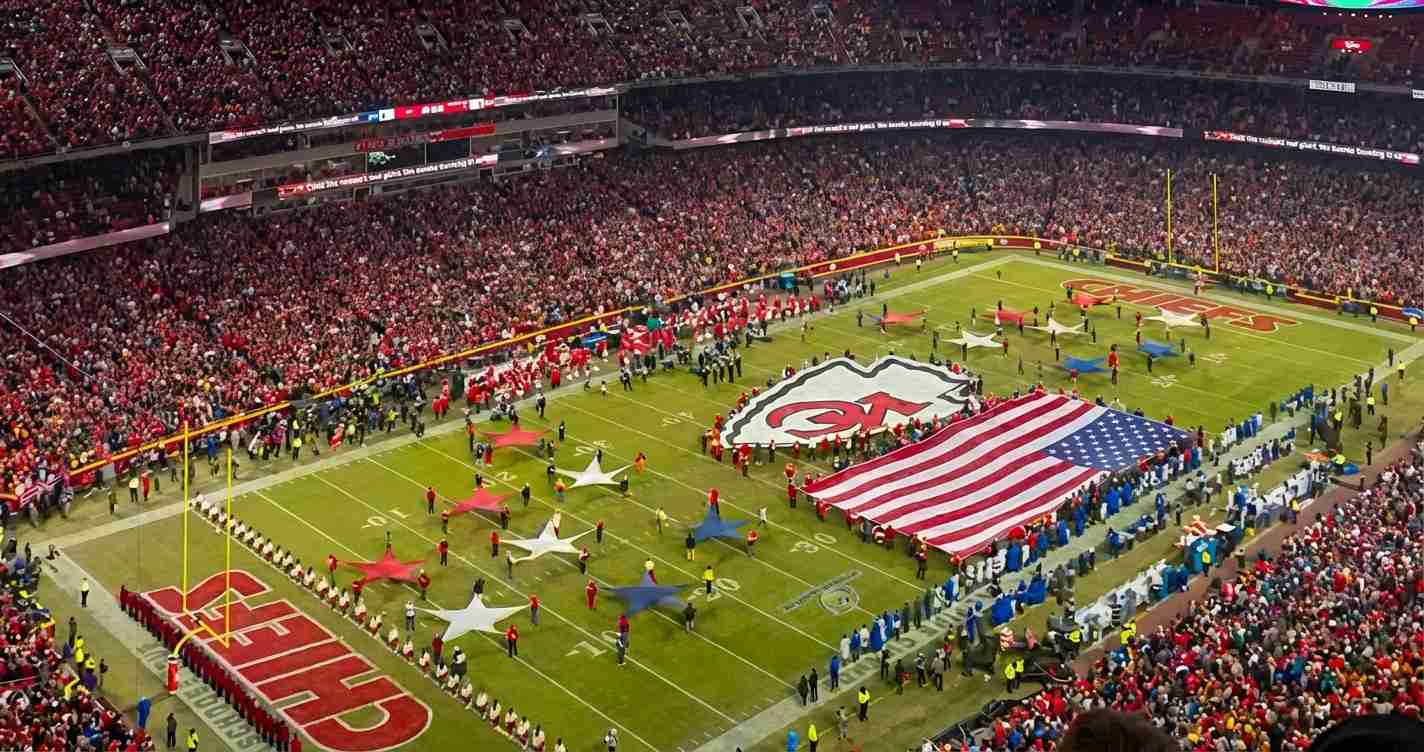
Owner and chairman Clark Hunt acknowledged the emotional difficulty of leaving Arrowhead, the club’s home since 1972, noting the team’s deep regional roots. Early fan reaction ranges from disappointment and questions about identity to pragmatic acceptance of the financial and competitive benefits the new stadium promises — Fox4News, NFL.com.
“There is no denying the history and emotion tied to Arrowhead,” Hunt said in the joint announcement with Governor Laura Kelly and NFL commissioner Roger Goodell — Fox4News.
Implications for Las Vegas, Nevada
A new midwestern domed stadium capable of hosting marquee events could shift national event calendars and competitive bids. Below are potential effects for Las Vegas across several dimensions.
Economic impact: Increased competition for Super Bowls and Final Fours may affect bids, hospitality revenues and scheduling. However, more national events can also grow overall travel demand, indirectly benefiting Las Vegas hotels and airlines.
Political consequences: The Chiefs’ move underscores how voter sentiment and public financing decisions shape stadium outcomes. Nevada leaders may revisit incentive frameworks and public-private partnership safeguards.
Social and cultural effects: Neighborhoods tied to hospitality may experience schedule pressures, but Las Vegas’ diversified entertainment ecosystem remains a strategic advantage. Promoters should plan for shifting itineraries and coordinate cross-market packages.
Practical steps for businesses and leaders:
- Monitor national bidding cycles for major sporting events and concerts.
- Reassess incentive structures to protect taxpayers and define measurable returns.
- Strengthen regional travel partnerships and contingency staffing plans for hospitality workers.
What local leaders and businesses can do now
- Track bids for Super Bowls, NCAA tournaments and large concerts to anticipate competition.
- Re-evaluate incentives and taxpayer protections before committing to large public investments.
- Build partnerships with regional markets to diversify sources of event-driven tourism.
- Prepare workforces in hospitality and transportation for potential calendar shifts.
Reporting notes and sources
This article draws on reporting and statements from the Chiefs, Kansas officials and local media. Sources cited in reporting include: Fox4News, NFL.com, KCUR, and ESPN. Reporting from Times Media Service; additional analysis by the CNN-format investigations team.