Hero at Bondi: Ahmed al‑Ahmed hailed for tackling gunman in Sydney Hanukkah attack
Ahmed al‑Ahmed, a 42‑year‑old Sydney shopkeeper and father, tackled and disarmed one of two gunmen at a Hanukkah event on Bondi Beach, was shot and is recovering in hospital, and is widely praised after an antisemitic terrorist attack.
- Quick action: Al‑Ahmed physically tackled and disarmed one attacker, an act witnesses say likely saved many lives.
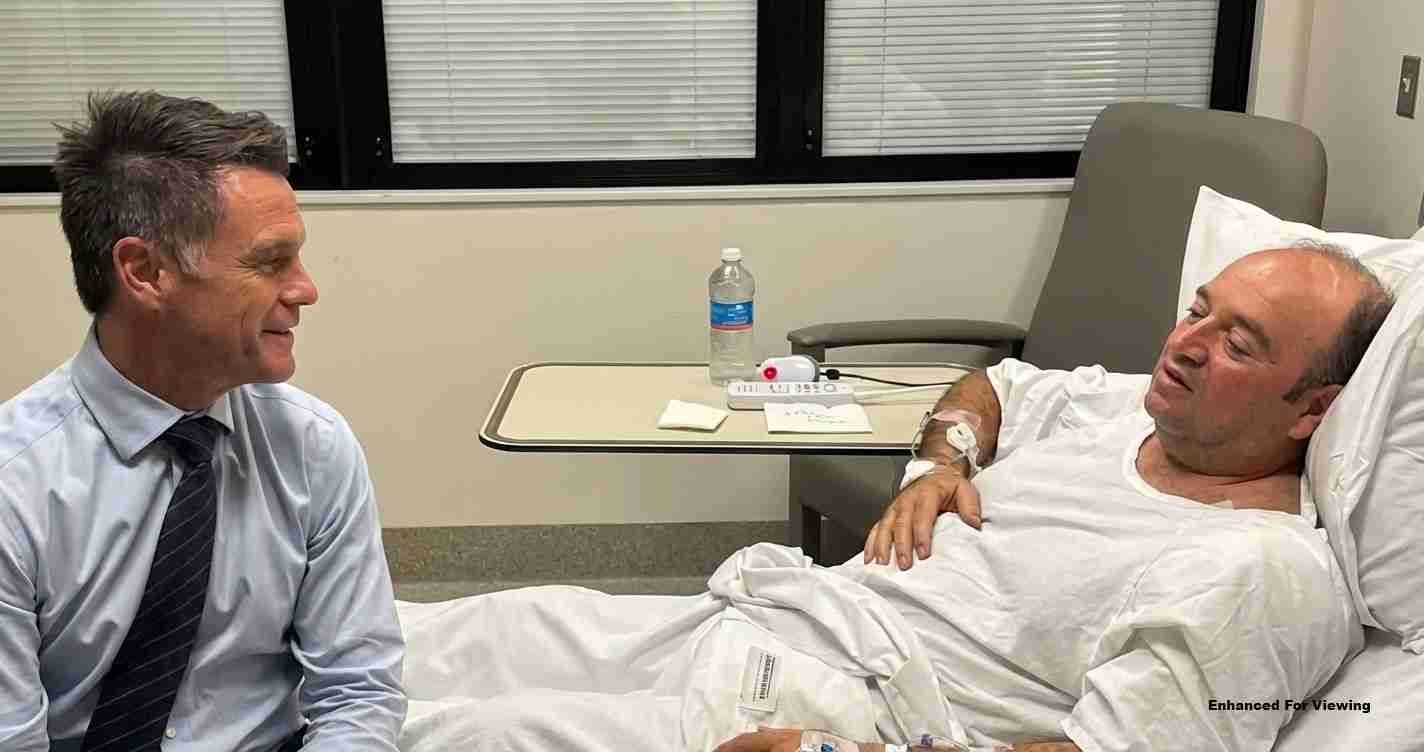
- Wounded and recovering: He was shot by the second gunman and is being treated at St George Hospital.
- Authorities: New South Wales Police have declared the incident a terrorist, antisemitic attack; one attacker was killed and the other arrested.
- Policy fallout: The attack has prompted calls from national leaders, including the Prime Minister, for tougher gun controls.
Main coverage and timeline
How the intervention unfolded
Video footage circulating online shows al‑Ahmed crouched near a car as gunfire rang out. He then lunges, wraps his arms around one attacker and wrests the firearm away while the second gunman continued to fire, according to witnesses and recording of the scene. Multiple onlookers and officials have said his actions were crucial in stopping that attacker from continuing to shoot and likely prevented further deaths.
Source reporting includes NDTV reporting on al‑Ahmed and eyewitness accounts and on‑scene footage linked below.
Injuries and hospital statements
While confronting one gunman, al‑Ahmed was struck several times by the other attacker. Media reports and video from the hospital say he was hit in the shoulder and other parts of his body, with some bullets remaining lodged; he is being treated at St George Hospital.
“What can I even say? I went through a tough time that only God knows about.” — Ahmed al‑Ahmed, speaking from his hospital bed, asking for prayers and urging unity.
Video sources: Hospital video clip and On‑scene video clip.
Who Ahmed al‑Ahmed is
Local reporting and family statements describe al‑Ahmed as a father of two in his early 40s, born in Australia and resident since 2006; his parents are recent arrivals from Syria. Early social posts mistakenly described him as a fruit seller; that claim was corrected. Al‑Ahmed owns and operates a tobacco and specialty convenience store since 2021. A local fruit business issued a public note clarifying it did not know him and that earlier reports were in error, while still offering congratulations and well wishes.
Corrective reporting: NDTV reporting on al‑Ahmed and eyewitness accounts.
Police and government response
New South Wales Police have labeled the attack a terrorist incident motivated by antisemitism. Officials reported two gunmen — said to be a father and son — opened fire from an elevated footbridge toward a Hanukkah gathering and beachgoers on a busy summer evening; police shot and killed one attacker and arrested the other. Authorities also reported that one of the men had legally acquired several firearms over the past decade, prompting renewed questions about firearm controls.
Public leadership: Prime Minister Anthony Albanese described the rampage as the nation’s deadliest mass shooting in decades and pledged to propose tougher gun laws. Coverage and statements are available in accompanying video sources.
Public reaction and the narrative of unity
Al‑Ahmed’s intervention has been widely praised by political leaders — including Prime Minister Anthony Albanese, Home Affairs Minister Tony Burke and New South Wales Premier Chris Minns — who described him as a “real‑life hero.” Family, witnesses and community members applauded his courage; many commentators highlighted that a man of Muslim background risked his life to protect Jews at a Hanukkah event, an image seen by many as a powerful statement of shared humanity amid sectarian violence.
Unity and courage have dominated coverage alongside the footage and al‑Ahmed’s humble, faith‑framed comments from the hospital.
Gun policy debate
Australian leaders called the attack the deadliest mass shooting in decades and signalled proposals for stricter laws. That stance has captured national attention because Australia already enacted sweeping reforms after a 1996 mass shooting. Officials noted at least one attacker had legally acquired multiple weapons over time, sharpening focus on licensing, storage and weapons tracking. The incident is likely to prompt a new round of federal and state policy scrutiny and debate.
Sources and footage
Implications for Las Vegas, Nevada
Economic impact
Las Vegas depends heavily on tourism, crowded events and a reputation for safety. High‑profile international attacks can affect traveler perceptions and booking behavior even half a world away. Local businesses that host cultural or religious gatherings may review security plans and consider costs for added measures, from private security to bag checks and coordination with police. The Bondi Beach shooting hero narrative may also inspire Las Vegas businesses and civic groups to spotlight local first responders and community protectors, producing small economic shifts toward public safety spending and resilience marketing.
Political consequences
In Las Vegas and Nevada, the Bondi attack is likely to feed ongoing conversations about public safety and gun policy. Nevada has its own recent history with mass violence and active debate over firearms regulation. While legal frameworks differ greatly from Australia’s, the Sydney shooting could prompt Nevada lawmakers and municipal leaders to re‑examine event security standards, emergency medical staging at public festivals, and policies around licensed weapons at large public gatherings. City and county politicians may face pressure from constituents to demonstrate proactive steps — from funding police event units to tightening venue permitting rules — while balancing civil liberties and business interests.
Social effects
Las Vegas is home to diverse faith communities, including Jewish and Muslim residents who often interact in close urban neighborhoods. Al‑Ahmed’s actions — a man of Muslim background risking his life to protect Jews at a Hanukkah event — may strengthen interfaith outreach and community solidarity locally. Synagogues, mosques and interfaith councils could use the moment to promote joint vigils, awareness campaigns and shared safety training, helping ease fear among minority communities and counter narratives that seek to polarize after targeted violence.
Cultural relevance
The story of a local shopkeeper who stepped into danger to save others resonates with values of civic courage, neighborliness and quiet heroism. Coverage in Las Vegas outlets may highlight similar local figures — first responders, volunteers and everyday citizens — while avoiding sensationalist frames. The narrative may spur cultural programming that celebrates cross‑community solidarity, from public ceremonies to arts performances honoring victims and heroes.
Practical applications for residents
- Event planners: Re‑assess emergency response plans — evacuation routes, trained security, medical staging and visitor communication.
- Places of worship and community centers: Consider joint security trainings with police, volunteer usher programs and public safety education sessions.
- Individuals: Learn situational awareness, emergency exits and basic response steps for active shooter scenarios; community groups can host brief workshops.
- Policy engagement: Push for measured reviews of public safety funding, event permitting, and coordination between police, health systems and private venues without panic‑driven policy swings.
Conclusion
For Las Vegas readers, the Bondi Beach story is both an international tragedy and a mirror reflecting local priorities: protect crowded public life, support diverse communities, and balance civil liberties with sensible safety measures. The sacrifices and bravery displayed in Sydney are likely to reverberate in practical planning, civic conversation and interfaith outreach here.