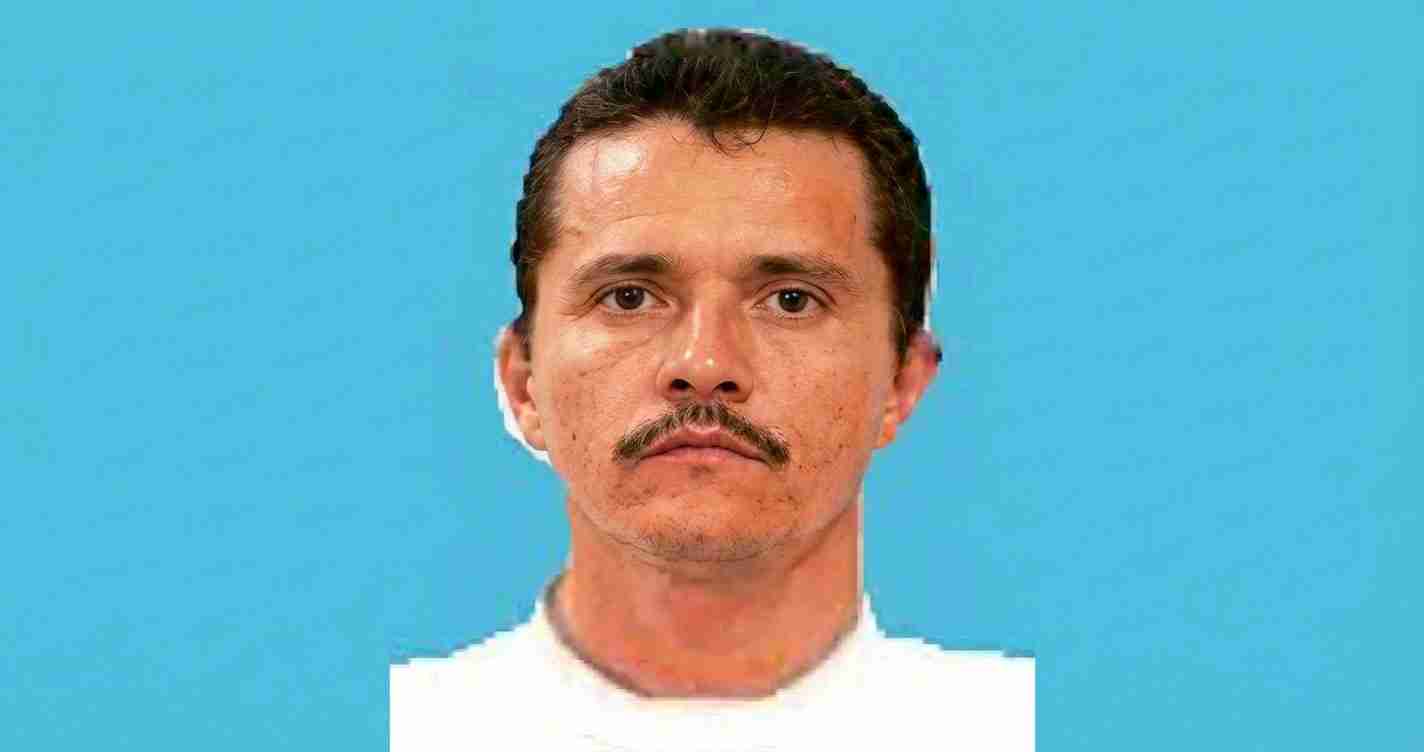
El Mencho killed in Jalisco: Mexican military operation kills CJNG leader in Tapalpa
Mexican military forces killed Nemesio “El Mencho” Oseguera Cervantes in a pre-dawn raid in Tapalpa, Jalisco, officials said; his death sparked widespread unrest across Jalisco and other states, and prompted shelter-in-place warnings from the U.S. Embassy.
Key takeaways
- El Mencho killed: The Mexican Defense Department said the roughly 59‑year‑old cartel leader was fatally wounded during a raid and died while being airlifted to Mexico City for treatment (Los Angeles Times).
- Bilateral support: Mexican troops conducted the Tapalpa operation with complementary U.S. intelligence assistance, officials said (Fox News; Los Angeles Times).
- Casualties and seizures: Reports list six cartel operatives killed, two detained, multiple weapons and armored vehicles seized, and three Mexican soldiers injured (Los Angeles Times; Fox News).
- Unrest followed: The raid ignited fires, roadblocks and clashes in Jalisco and other states, prompting shelter-in-place advisories from the U.S. Embassy (Fox News).
Main content
What happened in Tapalpa
Before dawn, Mexican military units moved on a rural property in Tapalpa — long considered a stronghold for the Cartel Jalisco Nueva Generación (CJNG). Officials say troops engaged armed men in a firefight during the raid. Oseguera was wounded and later died while being airlifted to Mexico City for medical care. Authorities reported multiple cartel members killed at the scene and additional deaths en route as the operation unfolded (Los Angeles Times; Fox News).
Intelligence and coordination
Government officials described the action as a coordinated effort that included intelligence sharing with U.S. authorities. The Defense Department said American agencies provided complementary intelligence that helped locate and target the CJNG leader (Los Angeles Times; Fox News).
Casualties, arrests and seizures
Initial official counts varied as authorities secured the site. Reporting shows six cartel operatives killed at or near the scene, with additional deaths reported during evacuations. Two suspected cartel members were detained. Troops seized armored vehicles and heavy weapons — including rocket launchers capable of bringing down aircraft — consistent with CJNG’s militarized arsenal. Three Mexican soldiers were reported injured and taken for care (Los Angeles Times; Fox News).
Who was El Mencho and how CJNG grew
Nemesio Oseguera Cervantes rose from early arrests and deportation from the United States to found the Cartel Jalisco Nueva Generación. Over roughly 15 years, CJNG expanded into a sprawling trafficking organization involved in fentanyl production and distribution, extortion, fuel theft and other crimes. The group became notorious for military-style tactics — armored vehicles, homemade explosives, and high-caliber weapons — and has been blamed for downing a Mexican military helicopter in 2015 that killed nine soldiers (Los Angeles Times).
U.S. pressure and indictments: The U.S. had placed a $15 million bounty on Oseguera for drug trafficking and related charges. Close family members have faced prosecution: his son Rubén “El Menchito” was extradited, convicted in 2024 and sentenced to life; a daughter, Jessica Johanna Oseguera González, pleaded guilty to money laundering and served time before release (Los Angeles Times).
Immediate aftermath: unrest and warnings
News of Oseguera’s death spread quickly, sparking unrest across Jalisco and more than a dozen other states. Protesters and cartel supporters set fires and blocked roads. Jalisco’s governor declared a “Code Red” and urged residents to stay home while security forces worked to contain clashes. Damage was reported to about 20 branches of the state-run Banco del Bienestar and other buildings in connected riots. The U.S. Embassy issued shelter-in-place advisories for multiple states as criminal activity surged in the aftermath (Fox News).
Reactions from U.S. and Mexican officials
U.S. response: U.S. Deputy Secretary of State Christopher Landau posted on X that El Mencho had been killed and called the development “great” for the region while later expressing concern about ensuing violence (Fox News).
Mexican government: The Defense Department framed the operation as evidence of growing bilateral coordination with the United States, noting prior arrests and allied operations narrowed Oseguera’s options and enabled the raid (Los Angeles Times).
Broader context: pressure on Mexico and cartel strategy
The killing ranks among the most significant actions against organized crime since Joaquín “El Chapo” Guzmán’s capture. It arrives amid renewed U.S. pressure for Mexico to intensify efforts against major cartels. Analysts caution that removing a top leader can create short-term instability as rival factions and lieutenants vie for control. CJNG remains a major supplier of fentanyl and operates along critical corridors used to move drugs into the United States (Los Angeles Times; Fox News).
Implications for Las Vegas, Nevada
Las Vegas could see indirect effects from disruption in CJNG leadership. Authorities and community leaders should watch for shifts in trafficking routes, changes in drug purity and potency, and short-term volatility from splinter groups. Below are practical areas of impact and recommended actions for local stakeholders.
Economic impact
As a major tourist center, Las Vegas may be affected by changing drug distribution patterns. Law enforcement and public-health agencies should prepare for possible shifts that could affect hospital emergency departments and overdose responses.
Political consequences
The operation and U.S.-Mexico cooperation could shape local debates in Nevada over border security and federal partnerships, potentially increasing calls for funding for interdiction, addiction services, and intelligence sharing.
Public safety and law enforcement
Local police and highway patrol already collaborate with federal agencies. Officials should remain in close contact with the DEA and Homeland Security to track new patterns and anticipate rerouting that could affect supply chains entering Nevada.
Social and community effects
The most immediate local risk is public health: fentanyl-related overdoses could rise if supply purity or potency changes. Community outreach, harm-reduction programs and broad naloxone distribution remain essential.
Cultural and travel considerations
Travel advisories from the U.S. Embassy and reports of unrest may lead to short-term concerns for Las Vegas residents traveling to Mexico. Travelers should monitor embassy guidance and avoid affected regions (Fox News).
Practical applications for residents
- Monitor public-health alerts and overdose reports and follow guidance from local hospitals and clinics.
- If traveling to Mexico, register plans with the State Department and follow U.S. Embassy advisories (Fox News).
- Contact local officials for updates on law enforcement coordination and for support services related to addiction and community safety.
Sources
Primary reporting and official statements summarized here are drawn from Los Angeles Times and Fox News.