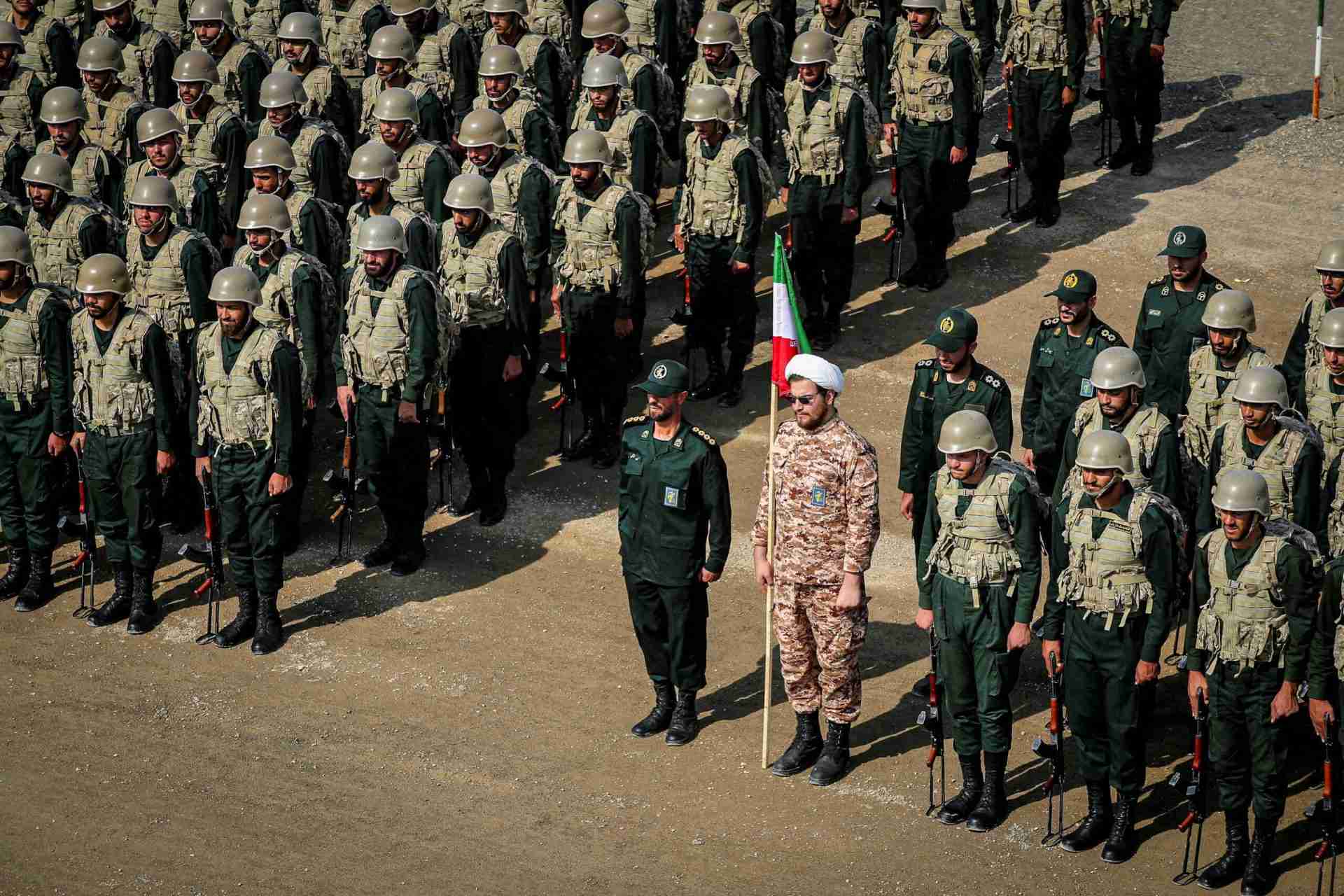
TEHRAN, Iran, June 19 (World Daily Times) — Reuters reported that Iran’s Islamic Revolutionary Guard Corps set up secretive new cells in Iraq to launch drone attacks on Gulf states that host American forces, a move that, if accurate, would show how regional confrontations can be pushed through shadow networks rather than open military channels.
The report, based on eight Iraqi sources, said the cells were created to bypass established militia networks and avoid detection. Three of those sources described the groups as three or four cells of about 10 elite Iraqi Shi’ite fighters each. Reuters said some members were drawn from the Islamic Resistance in Iraq, but that the new cells operated outside that umbrella group’s command structure and instead reported directly to the IRGC.
That detail matters because it points to a split between Iran-backed armed actors in Iraq and a smaller, more tightly controlled structure that could be used to keep distance between Tehran and any attack. Iraqi officials cited in the report said the alleged setup would give the IRGC plausible deniability, shift blame away from the larger Iran-aligned factions, and reduce U.S. pressure on Baghdad to disarm them.
The report said Iraqi security sources traced at least seven drone attacks to desert locations near Basra and Samawa in southern Iraq between April 20 and May 17. Those sources said they relied on human intelligence, intercepted communications and evidence gathered at launch sites. The attacks were said to target sites in Kuwait, Saudi Arabia and the United Arab Emirates.
For Iraq, the allegations underscore how territory inside the country can be used as a launch point for regional attacks, even when the groups involved are not openly tied to state institutions. For the Gulf states named in the report, the claims point to a cross-border threat that can be difficult to stop because it may be carried out from remote areas and through loosely structured cells.
The reporting also shows why Iraqi authorities face a difficult balancing act. Baghdad has long had to manage pressure from the United States, which wants armed groups curbed, while also navigating the power of militias that operate alongside, and sometimes beyond, the state. If the Reuters account is accurate, the IRGC’s use of small off-book cells would fit that pattern by making attribution harder and widening the gap between the attackers and the groups publicly seen as responsible.
No arrests, charges or court filings were identified in the supplied material, and the report did not include responses from the IRGC or the governments of Iraq, Kuwait, Saudi Arabia or the UAE.