Viral Halloween break-in scare cost police 100+ hours — then detectives say relatives staged the ‘prank’
Alexandria, Virginia police spent more than 100 investigative hours on a viral Ring camera video of an apparent Halloween home invasion, then determined the masked figures were teen relatives staging a dangerous prank that sparked community outrage.
Key takeaways
- Investigation time: Alexandria police say detectives logged more than 100 hours reviewing leads and evidence to identify the masked people.
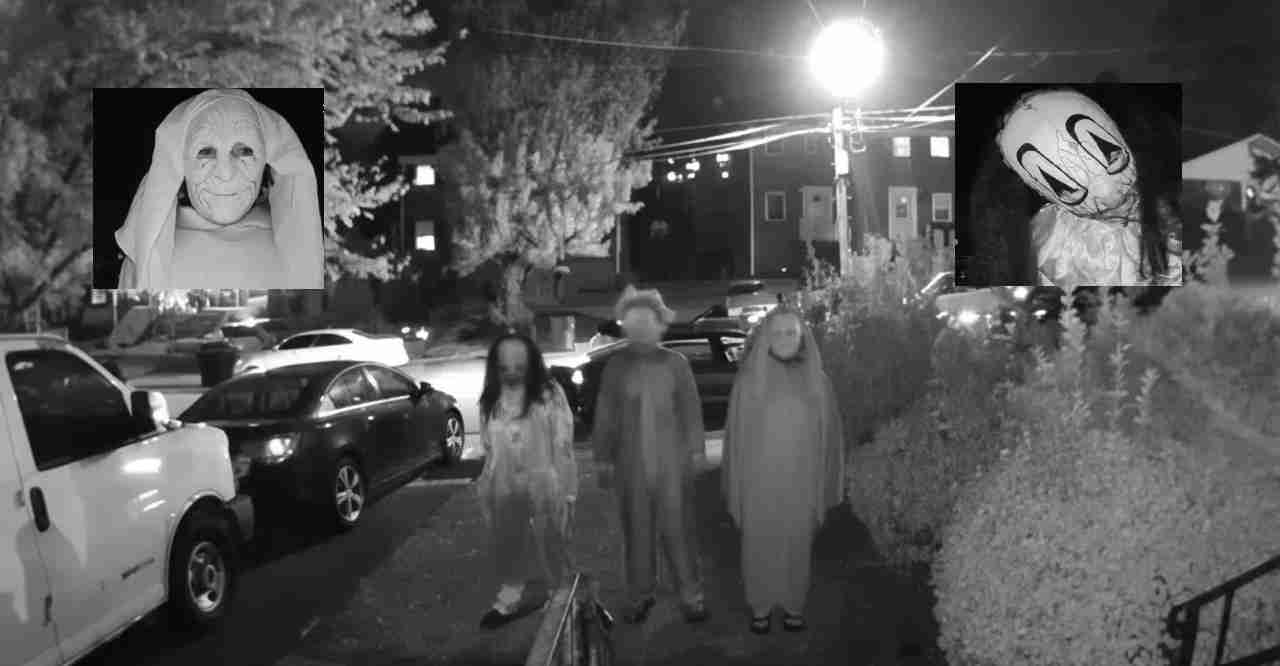
- What the footage showed: A Ring camera clip captured three masked figures in Halloween costumes banging on a door, making threats and damaging property before fleeing when confronted — viewers initially saw this as an attempted invasion (additional footage).
- Suspects: Three teen boys, ages 14–16, were identified as relatives of the home’s occupants; adults were nearby filming the stunt (investigative footage).
- Outcome: No criminal charges after the family declined to press charges and the suspects were juveniles; officials called the event a “moral failure”.
What the video showed and how the neighborhood reacted
A home security camera captured a tense scene: three masked figures in Halloween garb pressed against a front door, knocked and shouted. At one point a person can be heard threatening, “It’s either you come out or we come in.”
The clip shows the group tugging at door hardware, ringing the bell, and later damaging a backyard fence and tearing a screen before fleeing when the homeowner’s son arrived with a firearm. The video spread quickly on social media and generated widespread alarm among neighbors and online viewers who believed it was an actual attempted invasion (additional footage).
The investigation: more than 100 hours of work
Alexandria police said detectives spent over 100 hours sifting through tips, interviewing witnesses and coordinating with the Commonwealth’s Attorney’s Office to determine possible charges. Investigators methodically traced family connections and compiled video evidence that identified both the teens and the adults who filmed and encouraged the prank (investigative footage).
How police say the stunt unfolded
Police say the three teens — relatives of the family inside the home — planned the event as a Halloween scare. Two adults, one identified as the mother of two teens, and another child were reportedly present to film the episode. A family member later admitted to detectives that the incident was staged as a prank.
Victims, prosecutors and the decision not to charge
Investigators and prosecutors weighed possible charges while completing interviews and evidence collection. Ultimately, the family inside the home declined to press charges and the suspects’ juvenile status was a factor in the decision not to pursue criminal prosecution.
Police Chief Tarik McGuire described the event as a “moral failure” and warned that such pranks can place people at serious risk.
Community reaction and public safety concerns
Neighbors and online commenters expressed outrage that adults would encourage a prank that so closely mimicked violent crime. Many noted the potential for deadly escalation: the homeowner’s son had a gun on scene, and a single misinterpreted movement could have led to tragedy.
The episode also sparked broader discussion about youth supervision, the amplification of risky acts by social media, and how quickly fear can ripple through a neighborhood when dramatic video circulates.
Investigative takeaways for law enforcement and families
- Digital evidence such as Ring and cellphone video is invaluable for investigations but can also create public panic.
- Resource impact: Viral stunts can consume significant police time and attention that might otherwise focus on urgent public-safety matters.
- Adult responsibility: When adults encourage or participate in risky pranks, the moral and potential legal consequences increase.
Legal and ethical questions left unresolved
Because the suspects are juveniles and the family declined prosecution, prosecutors chose not to pursue criminal cases, leaving some community members frustrated about perceived lack of accountability. Others pointed out juvenile court goals and the possibility of meaningful noncriminal, family-based consequences.
The incident raises policy questions about whether guidelines are needed for pranks that mimic violent crime, and whether platforms, schools or local governments should set clearer rules for viral stunts that endanger or traumatize people.
Implications for Las Vegas, Nevada
Economic impact: Viral scares can affect visitor perceptions and strain tourism-focused public-safety resources when copycat stunts or investigations arise.
Political consequences: High-profile investigations consuming police hours can prompt questions about resource allocation, school prevention programs and juvenile diversion services at City Hall and county commissions.
Social and cultural effects: The case underscores how private family stunts can unsettle neighborhoods and catalyze conversations in communities that balance risk-taking with expectations of responsible behavior.
Practical advice: Homeowners and renters should review home security and privacy settings, and police departments may consider pre-holiday public education campaigns about the dangers of simulated crimes and safe costume conduct.