ICE arrests West Virginia: “Operation Country Roads” nets 650 people in two-week statewide sweep
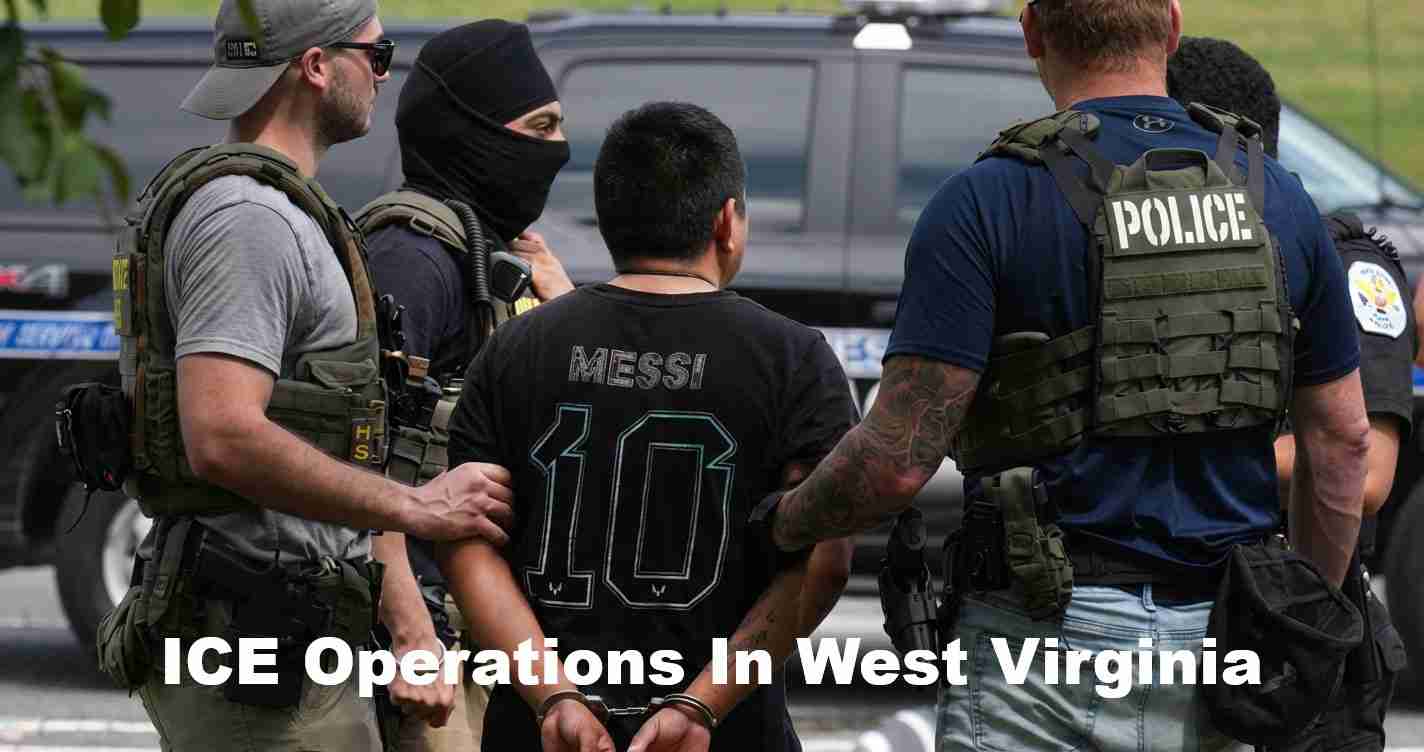
ICE Enforcement and Removal Operations (ERO) Philadelphia, partnered with West Virginia agencies, arrested about 650 people during “Operation Country Roads” from Jan. 5–19, 2026, focusing on those illegally present and individuals posing public‑safety or national‑security risks.
- Operation Country Roads ran Jan. 5–19, 2026, and resulted in about 650 arrests statewide.
- Teams deployed to Charleston, Martinsburg, Beckley, Moorefield, Morgantown and Huntington with 14 federal, state and local partners.
- Over 550 arrests involved West Virginia agencies operating under the 287(g) program; multiple cases led to federal charges.
- Local civil‑rights groups and reporters raised constitutional and oversight concerns despite officials’ praise.
Operation summary
What happened: ICE’s Enforcement and Removal Operations (ERO) Philadelphia office led a 15‑day statewide sweep called Operation Country Roads. Federal officials said the operation targeted people who entered the U.S. illegally and those who pose public‑safety or national‑security risks.
Officials involved: ICE acting ERO Philadelphia Field Office Director Michael Rose praised partnerships that, he said, expanded local capacity to identify, arrest and process people for immigration violations.
“The effort showed how strong federal‑local partnerships can improve public safety while keeping immigration enforcement lawful and professional,” — ICE acting ERO Philadelphia Field Office Director Michael Rose.
Locations and partners
Teams were deployed to Charleston, Martinsburg, Beckley, Moorefield, Morgantown and Huntington. Officials said 14 federal, state and local law‑enforcement agencies participated; more than 25 West Virginia entities were named by the U.S. Attorney’s Office and state officials.
Notable partners included: the West Virginia State Police, the National Guard, the Division of Corrections and Rehabilitation, county sheriff’s offices in Cabell, Fayette, McDowell, Nicholas, Putnam and Wood counties, and multiple municipal police departments.
Role of 287(g) and local enforcement
The Justice Department release noted that over 550 arrests involved West Virginia agencies operating under the 287(g) program, which authorizes trained local officers to perform certain immigration functions under ICE supervision. West Virginia reportedly led the nation in daily immigration arrests on at least four days during the operation.
Arrests and examples
ICE and local reporting said arrests included people with criminal histories and a range of alleged offenses: child sex abuse, drug possession, endangering children and immigration violations. WV MetroNews named cases such as an Indian citizen identified as Sagar Singh (unsafe tractor‑trailer) and a Chinese national identified as Ling Yan (also known as Yang Ning) with a prior conviction in Ohio.
The U.S. Attorney’s Office said multiple arrests led to federal criminal charges, including eight people taken into custody after search warrants at a business and a residence in Nitro on Jan. 16.
Officials’ reactions
U.S. Attorney Moore Capito framed the work as part of “Operation Take Back America,” linking it to efforts against illegal immigration, cartel activity and violent crime. Gov. Patrick Morrisey, who signed a 287(g) Memorandum of Agreement in August 2025, praised the removals as taking dangerous criminals off the streets.
“Removing dangerous criminals and enhancing local capacity are priorities,” — statements summarized from federal and state releases.
Protests and community response
There were no protests during the two‑week sweep, according to federal and local reports. Organizers planned at least two post‑operation anti‑ICE events in Huntington and Putnam County, local outlets reported.
Civil‑rights concerns and legal questions
Critics and lawyers raised constitutional questions about ICE tactics and the role of local officers enforcing immigration law. Mountain State Spotlight highlighted specific worries, including a case near an I‑77 tollbooth involving Venezuelan citizen Antony Segundo Larrazabal‑Gonzalez and pending lawsuits from immigrants fearing persecution.
Defense attorneys expressed concern about possible overreach in broad sweeps; watchdogs have called for more judicial review and transparency.
State police assurances and oversight
State Police Superintendent Col. Jim Mitchell said the State Police assisted in roughly 250 immigration‑related arrests since September 2025 and that internal reviews found no errors in those cases. The department framed its role as lawful and careful, while critics warned that deputizing local officers may chill immigrant communities.
How the operation fits national policy
Officials described Operation Country Roads as part of broader enforcement initiatives, including Operation Take Back America. Supporters say such operations protect public safety; critics argue they risk detaining people with legal protections and call for stronger oversight and transparency.
Implications for Las Vegas, Nevada
Economic impact: Las Vegas relies on immigrant labor in hotels, restaurants, construction and services. Large ICE operations elsewhere can influence national enforcement patterns and labor supply, potentially prompting stricter worker‑status verification and raising costs and staffing challenges.
Political consequences: For urban moderates in Las Vegas, the operation highlights tensions between public safety and civil liberties. The episode could intensify debate about whether Nevada agencies should expand partnerships similar to West Virginia’s use of 287(g).
Social effects: Publicized ICE activity may increase fear among immigrant communities in Las Vegas, reducing contact with police and public services, and increasing demand for legal help, know‑your‑rights training and mental‑health services.
Practical advice for residents: Watch local policy moves, ask elected officials about oversight and safeguards, review employer compliance practices, and connect with nonprofits that provide legal assistance.
What local officials can do
- Clarify local roles in federal immigration enforcement and publish cooperation agreements.
- Map existing federal partnerships and publish independent oversight reports.
- Expand community legal resources, know‑your‑rights education and independent reviews to maintain public trust.
Sources and reporting
This account draws on federal releases and local and national reporting. See coverage and documents at:
Reporting note
This story compiles federal releases and local reporting on ICE arrests in West Virginia and includes perspectives from federal and state officials and local watchdog outlets. Sources are linked above for readers who wish to review official statements and local coverage.