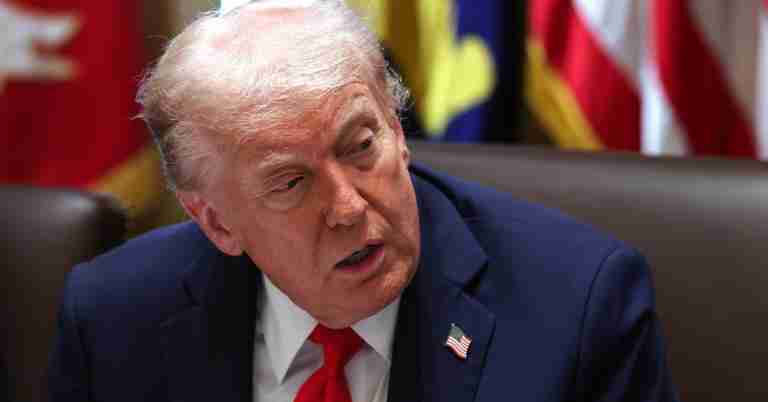
Trump directs Hegseth to find funds to pay troops amid shutdown, lashes out at Schumer
President Trump ordered Secretary of War Pete Hegseth on Oct. 11 to identify and use available Defense Department funds so active-duty service members receive their Oct. 15, 2025 pay amid a federal government shutdown that began Oct. 1.
- White House directive: Trump said he told Secretary Hegseth to “use all available funds” so troops are paid on Oct. 15 (Just the News).
- Details lacking: Administration has not named which Defense accounts would be tapped or provided a legal roadmap (KFGO).
- Political stakes: The move follows a failed House effort to guarantee military pay and was paired with public criticism of Senate Democrats, especially Sen. Chuck Schumer (The Daily Beast).
What Trump ordered and how he framed it
On Oct. 11, via his social platform, the president directed Secretary of War Pete Hegseth to “use all available funds to get our Troops PAID on October 15th.” He framed the directive as an exercise of his commander-in-chief authority to shield service members from a political funding fight.
“we have identified funds to do this, and Secretary Hegseth will use them to PAY OUR TROOPS.”
The administration says it has “identified funds” within the Defense Department that could be used, but officials have not disclosed which specific accounts, how much would be tapped, or the legal mechanism for disbursing pay during a lapse in appropriations (KFGO).
Political battle behind the move
The shutdown began Oct. 1 after a funding standoff. House Republicans advanced a short-term funding bill that Senate Democrats declined to back because it did not address Affordable Care Act subsidy concerns. Democrats say they will not reopen the government without action on those subsidies, and the White House has publicly blamed Senate Democrats — notably Sen. Chuck Schumer — for blocking a short-term patch (KFGO; Just the News).
Political framing: The White House is using the payroll issue to press a narrative that Democrats are holding national security “hostage.” Supporters argue the president’s order protects readiness and morale; critics warn of separation-of-powers concerns if the administration redirects appropriations without congressional authorization (The Daily Beast).
How the shutdown affects service members now
Active-duty military are required to report for duty during a lapse in appropriations, but payroll systems rely on appropriated funds; when Congress does not pass funding, paychecks can be delayed. The Pentagon has furloughed some civilian employees and reduced certain base support services, placing added strain on military families (Fox News).
That mix — continued duty, paused pay, and fewer services — can create immediate hardship for households that rely on military wages for rent, childcare and bills. The White House says any missed pay will be made whole once funding resumes or via actions like the one announced by the president.
Logistics and unanswered questions
Operational and legal questions remain: which Defense accounts will be redirected, how far those funds will stretch, and whether the action will face legal challenges from Congress or watchdogs. Critics stress separation-of-powers risks; supporters point to broad commander-in-chief responsibilities to protect military readiness (Just the News).
How officials in Congress and the Pentagon respond in the coming days will affect whether the Oct. 15 pay date is met and whether further steps are required to secure pay for the remainder of the shutdown.
Administration messaging and political framing
The White House is presenting the order as proof that the president will ensure military pay even when government funding stalls, a message aimed at voters and lawmakers. The president has tied the dispute to broader critiques of Pentagon policy and readiness, repeating the theme in video remarks and public posts (Fox News; White House video remarks: video 1, video 2).
Implications for Las Vegas, Nevada
Economic impact: Las Vegas hosts a sizable military-connected community; delayed pay could reduce local consumer spending, affecting retailers, restaurants and contractors that serve nearby bases such as Nellis Air Force Base. Businesses that depend on base activity may see early declines.
Labor and services: Military spouses and reservists working in hospitality, healthcare and retail could feel ripple effects if household budgets are constrained. Furloughs of Pentagon civilian staff may affect local contractors.
Social services: Reduced base family support services — childcare, counseling and emergency relief — could increase demand on local nonprofits, faith groups and veteran service organizations. Military families are urged to contact installation support resources for help.
Political consequences: Nevada officials and the state delegation may face pressure to seek emergency funding or clarity on how payroll will be protected, and the episode could shape voter views on national security and fiscal stewardship.
Practical steps for Las Vegas-area service members and families
- Contact base finance and personnel offices for the latest guidance on pay timelines and entitlements.
- Reach out to installation family support centers for help with bills, housing and childcare options.
- Use national resources such as Military OneSource and the Red Cross for emergency assistance.
- Tap local nonprofits — veteran service organizations and faith-based charities — for short-term help with food and utilities.
- Document missed pay and any expenses tied to the shutdown for possible reimbursement when funding resumes.
Reporting notes and sources
This report is based on administration statements and contemporaneous reporting by multiple outlets. Key sources include Just the News, The Daily Beast, KFGO, Fox News, and White House video remarks (video 1, video 2).
Further developments are expected as the Oct. 15 payroll date approaches and as lawmakers and Pentagon officials respond to the president’s directive.