Federal Judge Halts White House Ballroom Construction, Citing Need for Congressional Approval
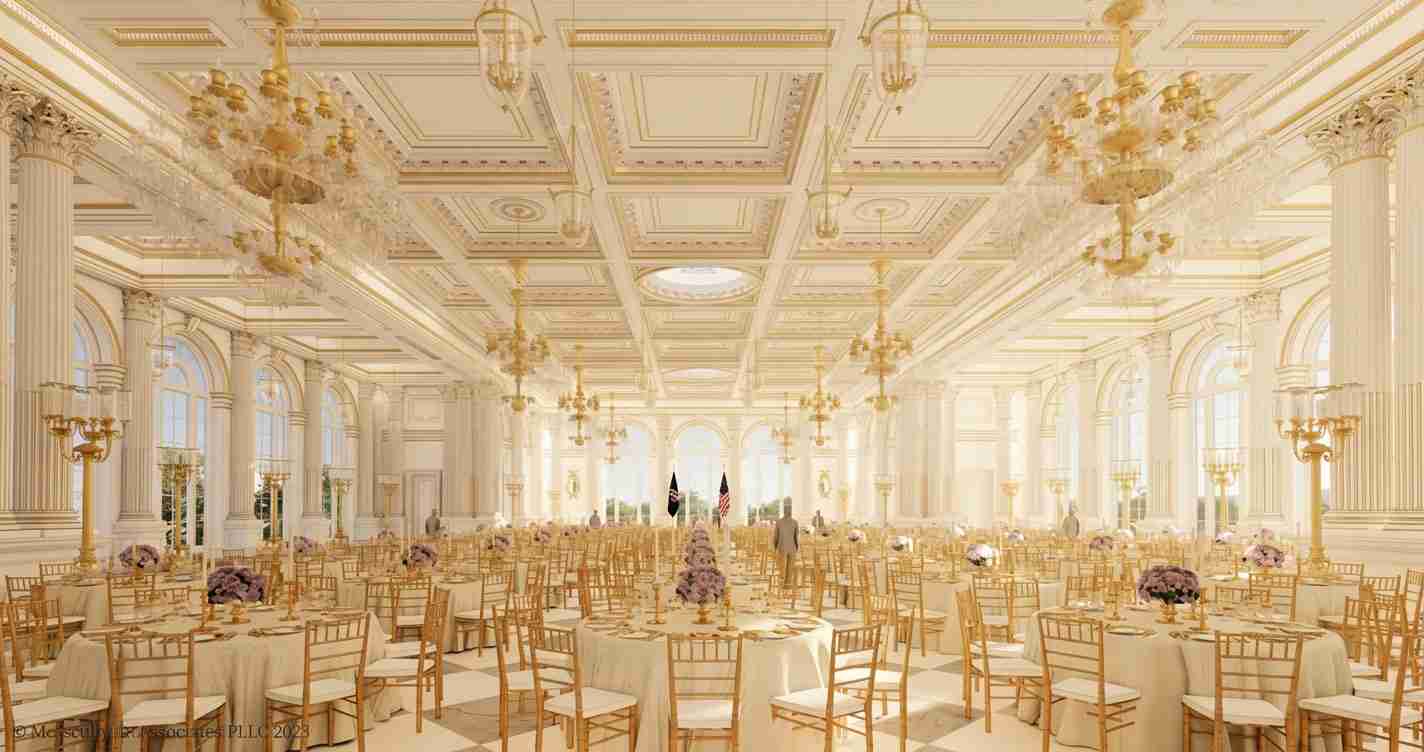
A federal judge ordered President Trump to halt construction of a White House ballroom, finding the project requires explicit congressional approval after a lawsuit by the National Trust for Historic Preservation; the White House says it will appeal the decision.
- Judge’s order: A federal judge temporarily halted ballroom construction, ruling that the project needs congressional authorization (Tucson.com).
- Litigation driving the pause: The National Trust for Historic Preservation filed suit, arguing changes to the historic White House grounds exceed executive authority.
- Planning board move: The National Capital Planning Commission approved East Wing design elements 8–1 despite the court order; President Trump publicly praised Sen. Rand Paul’s vote via Truth Social.
Ballroom fight moves from planning board to courtroom
The dispute escalated into federal court after the National Trust for Historic Preservation sued to block the plan, arguing the project would alter the historic fabric of the White House grounds and exceeded legal limits on executive action. The judge’s 35‑page order stressed the president is steward of the White House “for future generations of First Families,” but is not its owner, and noted that no statute grants the president blanket authority to proceed without Congressional approval (Tucson.com).
Commission approves plan despite court order
On the same week as the ruling, the National Capital Planning Commission (NCPC) proceeded with an 8–1 vote to approve the East Wing modernization design and planning elements. NCPC Chair Will Scharf said the court order prevented construction, but did not bar the commission from continuing its regulatory review.
The NCPC’s action approved design and planning steps while noting the judge’s halt remains in effect for physical work; commissioners emphasized regulatory review and coordination will continue as the legal process plays out.
Trump’s public praise for a longtime critic
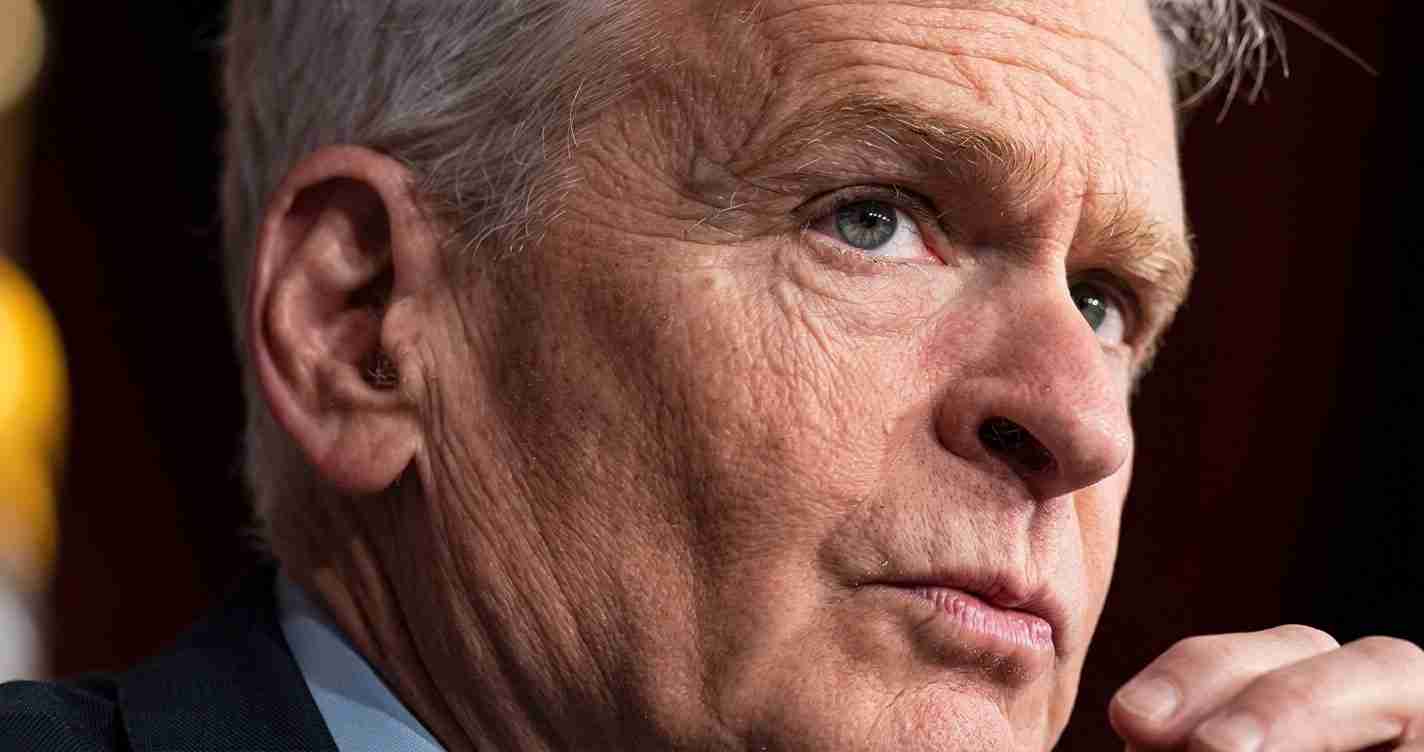
President Trump publicly singled out Sen. Rand Paul — the lone board member whose vote he highlighted — for a “strong YES” in a post on Truth Social. The shout-out was notable given a history of public clashes between Trump and Paul dating to the 2015 GOP primary and subsequent disagreements on policy. The president’s praise framed Paul’s vote as a political win, even as legal questions remain unresolved.
Legal path forward: appeal and potential congressional review
The White House plans to appeal. Construction is paused while the appeal and related legal steps proceed. The judge’s decision emphasized that permanent construction altering public grounds likely requires explicit congressional authorization, setting up a potential legislative fight if the administration seeks to proceed without a statute permitting the work.
Project backers note the ballroom is privately funded and intended to modernize facilities for future First Families; opponents counter that private funding does not remove the need for formal oversight of national landmarks.
Why Rand Paul’s vote matters
Sen. Paul’s support on the NCPC was politically consequential because of his reputation for independent votes on issues like tariffs and war powers. While the NCPC vote signals regulatory approval of design elements, it does not overturn the federal court’s ruling on statutory authority — a distinction that leaves the project’s fate dependent on courts and possibly Congress.
Funding, timeline and private donors
Project documents presented to the NCPC state the ballroom would be financed by private donations and had an estimated completion date of 2028. With construction halted, that timeline is now uncertain — appeals and potential congressional scrutiny could extend or indefinitely delay the project.
Implications for Las Vegas, Nevada
For Las Vegas stakeholders and urban moderates, the Washington dispute raises practical and political questions about donor influence, historic preservation, and the balance between modernization and cultural heritage.
Economic impact
- Hospitality and events: A White House ballroom could shift VIP travel and event demand, benefiting luxury hospitality when used for diplomatic ceremonies — an effect that won’t materialize if construction is halted indefinitely.
- Private donor influence: Nevada-based donors or firms in high-end hospitality and construction could have pursued contracts; local businesses will watch legal precedent closely.
Political consequences
- Local elected officials: Nevada leaders may face constituent questions about how private funding affects public spaces and whether similar processes could impact local historic venues.
- Voter perceptions: The case may shape views on checks and balances — judicial oversight versus executive action — among urban moderates.
Social effects & cultural relevance
- Civic debate: The dispute highlights who shapes public spaces and may energize Las Vegas preservation groups.
- Preservation vs. modernization: The legal fight offers a local lens on balancing rapid development with historic character.
Practical applications for residents
- City planners, preservation consultants, and legal teams in Las Vegas should monitor the case for precedent affecting federal authority and privately funded work on public grounds.
- Voters and civic groups can view the appeal and any congressional action as test cases for transparency and donor influence in public projects.
Sources and documents
Reporting compiled from court coverage and commission materials. Key sources:
- Tucson.com — coverage of the federal judge’s ruling and construction halt.
- National Capital Planning Commission — meeting materials and statements on the East Wing modernization vote.
- Truth Social — President Trump’s post praising the NCPC vote and Sen. Rand Paul.
- National Trust for Historic Preservation — organization information and background on the lawsuit.