Federal Judge Christopher Cooper Orders Trump Name Removed from Kennedy Center, Says Only Congress Can Rename Iconic Venue
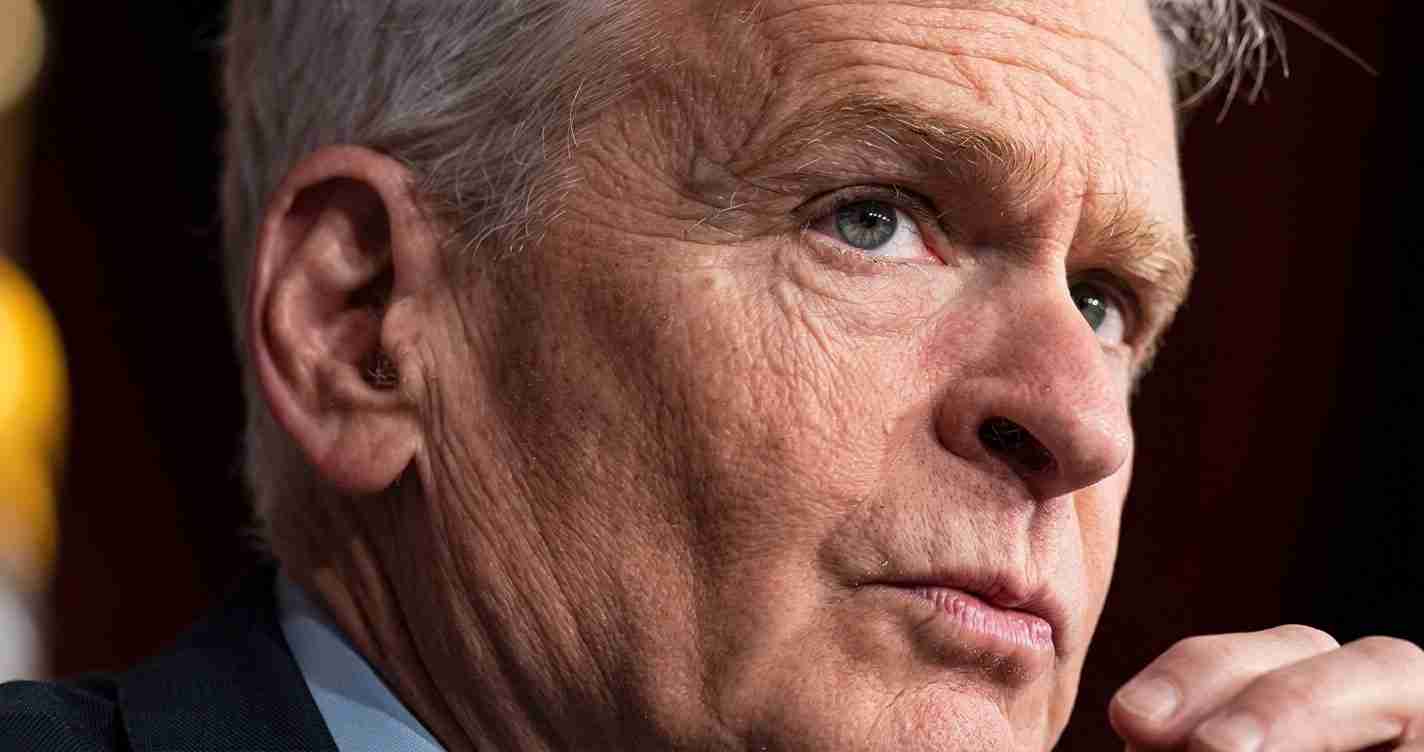
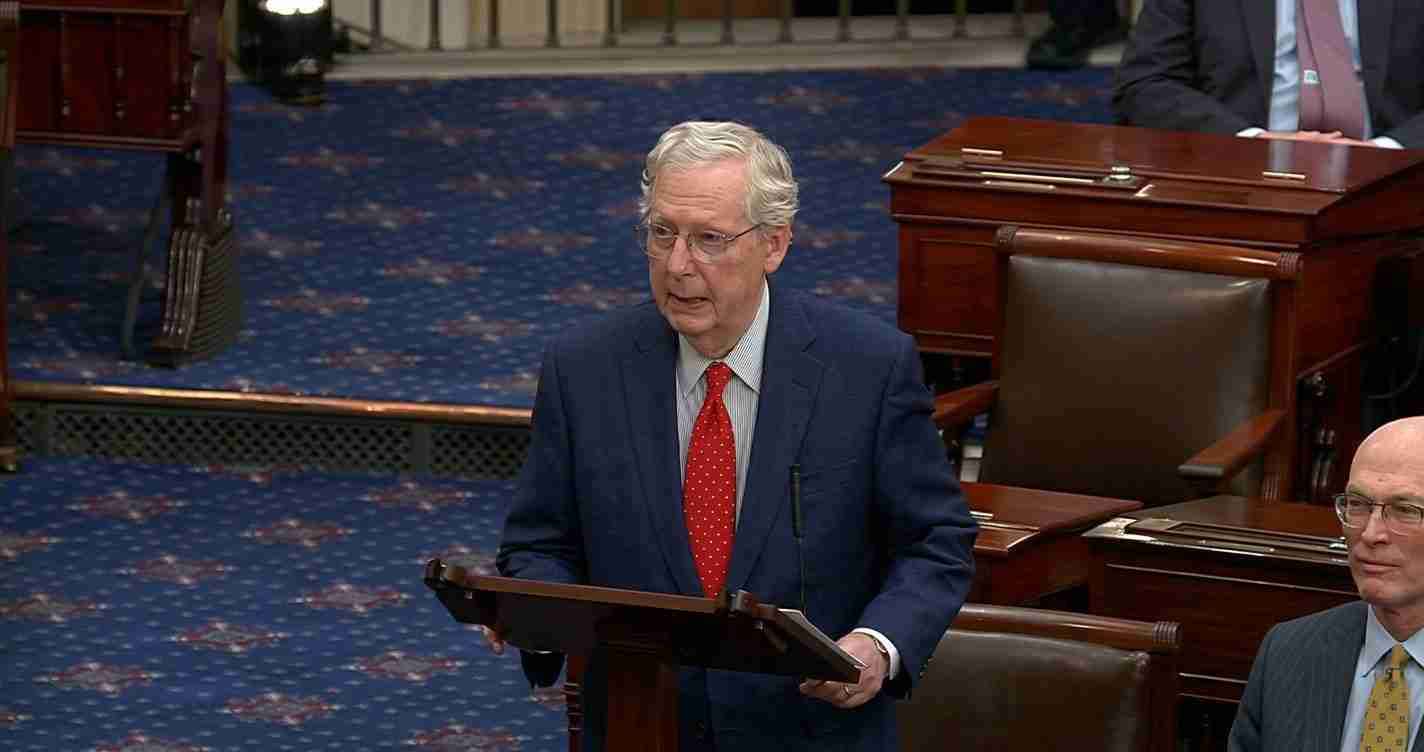
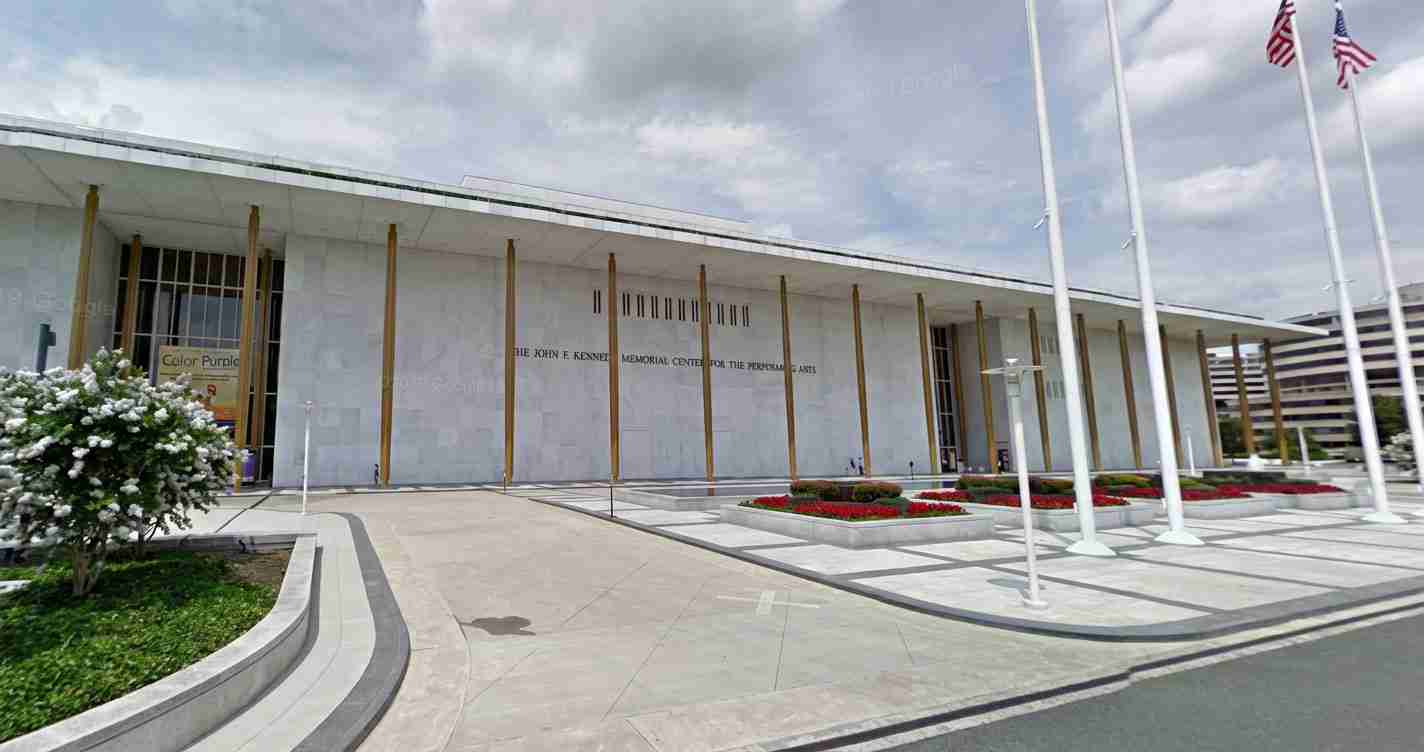
A federal judge ordered removal of Donald Trump’s name from the Kennedy Center, ruling that only Congress may rename the institution. Judge Christopher Cooper issued the order after Rep. Joyce Beatty’s lawsuit, prompting criticism and plans to appeal.
- Judge Cooper ruled the Kennedy Center’s formal name can only be changed by an act of Congress; the Board exceeded its statutory authority.
- The order requires removal of Trump-related signage and references, but does not block federal funding for renovations.
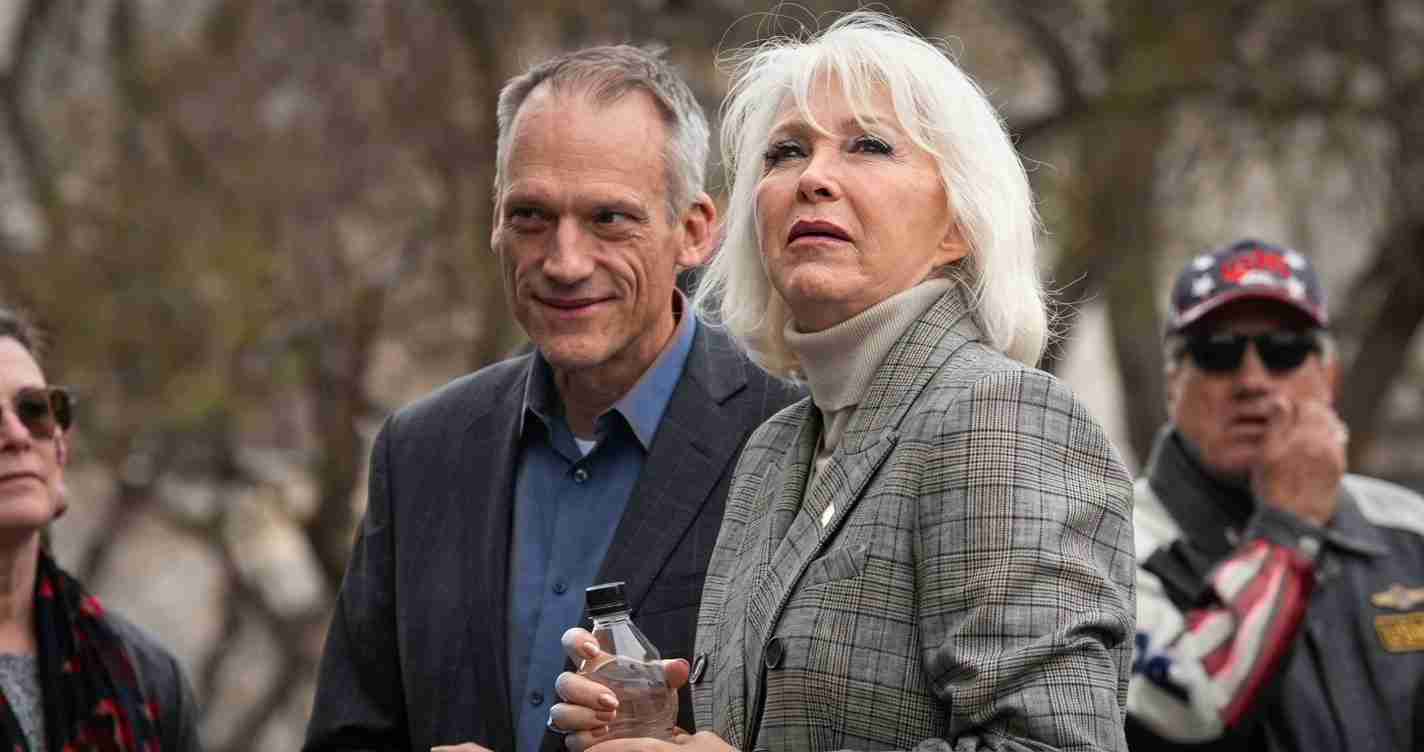
- Rep. Joyce Beatty brought the lawsuit challenging the Board’s renaming decision.
- The Kennedy Center board plans to appeal; the ruling focuses on naming authority, not on appropriations for restoration.
What the judge said
Judge Christopher Cooper emphasized that the Kennedy Center’s “organic statute” explicitly names the institution for President John F. Kennedy and vests Congress with exclusive authority to alter that formal name. Cooper concluded the Board of Trustees exceeded its statutory authority by attempting a unilateral renaming.
The opinion distinguished ordinary operational or funding decisions from a formal change to the institution’s name, noting Congress created and named the Center by statute. Reporting on the decision is summarized in broadcast clips (source reporting and source reporting).
Case background and procedural notes
Rep. Joyce Beatty (D-Ohio) filed the lawsuit challenging the Kennedy Center Board’s decision to attach a Trump-related name to the building. After briefing and argument on the statutory language and the Board’s authority, Cooper issued the order on Friday ordering removal of Trump-related signage and references.
Earlier, Cooper denied a preservation group’s request for a preliminary injunction to block a planned two-year closure for rehabilitation work — a separate procedural ruling that distinguished operational project scheduling from the formal naming dispute (source reporting).
Trump, the Kennedy Center board and reactions
Former President Trump responded on Truth Social, sharply criticizing Judge Cooper and Democrats. In a widely reported post he wrote:
“I took great pride in taking over a losing Institution, and looked forward to making it into a Great and Prestigious WINNER for Washington, D.C., and indeed, the United States of America… Unfortunately, Judge Cooper and the Radical Left would rather see it DIE than have President Trump transform it into something that everyone could be proud of.”
Roma Daravi, identified in reporting as the Trump Kennedy Center vice president of public relations, said the Board intends to appeal. She stressed the need for urgent restoration and noted $257 million secured by President Trump and approved by Congress for the project, adding the Board will “pursue every lawful avenue” to restore the facility (source reporting).
The White House did not immediately respond to requests for comment in the reported accounts (source reporting).
Funding, renovations and the separate legal issue
The court’s ruling is narrowly tailored to naming authority and does not invalidate Congress’s appropriation of federal funds for the Kennedy Center’s repair. Reporting indicates the Center secured $257 million in federal funds for restoration through legislation supported by President Trump — funds intended for maintenance, repairs, security, and capital projects.
Coverage emphasizes that spending federal funds on rehabilitation is legally distinct from formally renaming a Congress-established institution; Cooper’s opinion holds Congress — not a local board — decides formal names set by statute (source reporting).
Legal context and what comes next
The ruling underscores separation of powers: Congress enacted the statute that created and named the Kennedy Center, and only Congress may change that statutory name. If trustees seek an official renaming, the proper path is legislative action.
The Board has announced plans to appeal; an appeal would move the dispute to a federal appeals court where judges will review statutory interpretation and administrative authority. Alternatively, Congress could enact legislation to change the Center’s formal name — a political choice rather than a purely legal one.
Implications for Las Vegas, Nevada
Economic impact: Federal restoration funding for a national cultural institution can support construction, design, and preservation work nationwide. Nevada firms and contractors could indirectly benefit via subcontracting and ripple effects in cultural tourism.
Political consequences: The ruling may be seen locally as an example of checks and balances. Urban-moderate readers and local officials in Las Vegas may face new scrutiny about federal arts funding and naming decisions.
Social and cultural effects: The dispute spotlights stewardship and public trust in cultural institutions. Las Vegas arts leaders may reassess local naming policies and governance practices to avoid similar legal challenges.
Practical advice for residents and organizations: Boards and fundraisers should review bylaws and governing statutes to ensure naming authority is clearly documented to prevent legal disputes that could disrupt projects or donor relations.
Reporting limitations
Available summaries are based on brief broadcast clips and do not include the full text of Judge Cooper’s order or the complete docket. For a more detailed legal analysis, review the court opinion, filings, and fuller journalism accounts when available (source reporting; source reporting).
Sources and reporting
Legal developments, appeals, and any congressional action will be followed as court filings and legislative activity become publicly available.