Bad Bunny Super Bowl Boycott Threats Grow After NFL Names Him Super Bowl 2026 Halftime Headliner
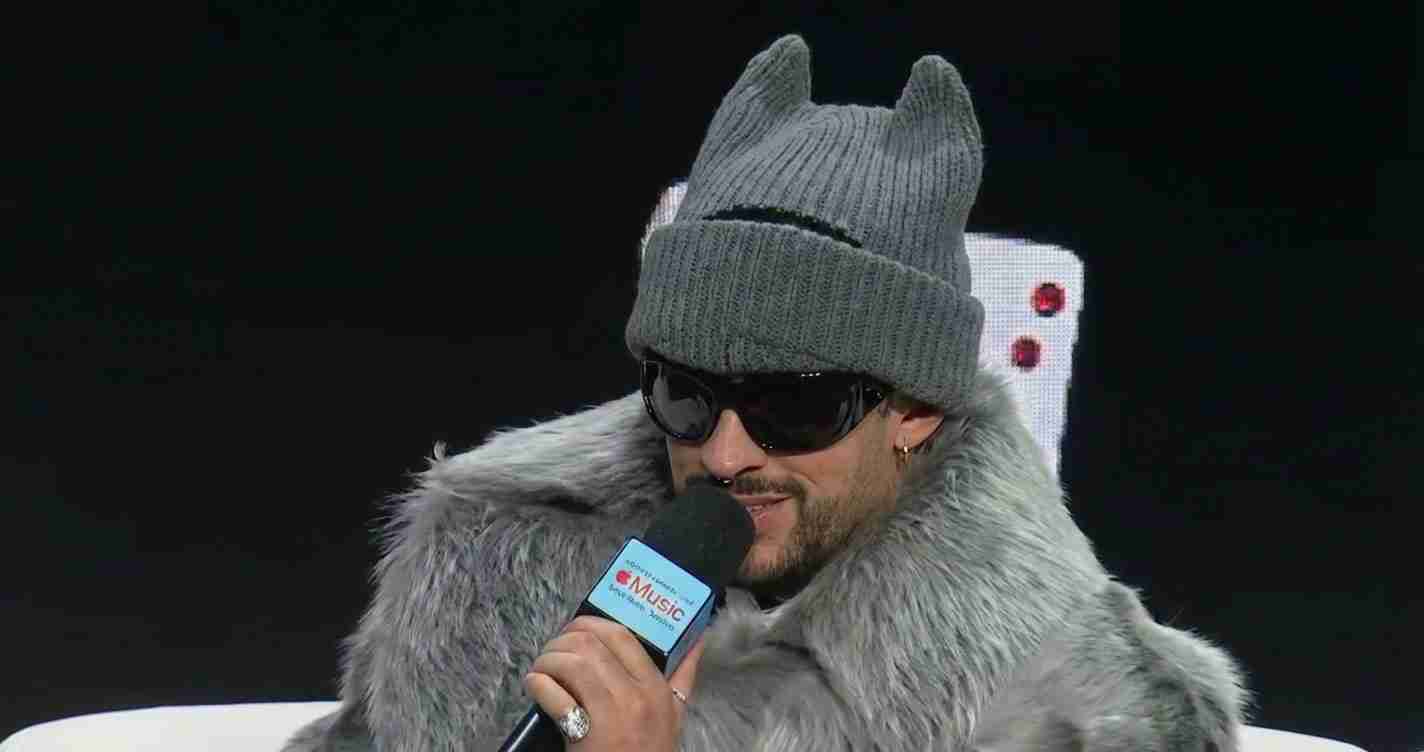
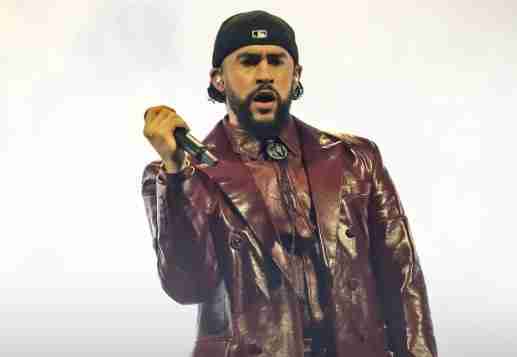
The NFL’s announcement naming Bad Bunny as the Super Bowl 2026 halftime headliner has triggered intense conservative backlash and widespread boycott threats, highlighting cultural and political tensions as the league seeks broader representation and younger, more diverse viewers.
Key takeaways
- Bad Bunny named halftime headliner: The NFL’s pick prompted large-scale conservative and MAGA-aligned threats to boycott the halftime show and, in some posts, the whole Super Bowl broadcast.
- Misinformation amplified the backlash: Viral claims that NFL figures publicly denounced the pick were debunked by independent fact-checkers, highlighting confusion online.
- Strategic NFL move: Analysts say the choice aligns with the league’s effort to diversify acts after hiring creative curators, even as it risks alienating some traditional fans.
- Local stakes in Las Vegas: The city’s tourism, sports-betting and Latino communities give the controversy distinct regional economic, political and cultural ramifications.
What happened
The NFL officially named Bad Bunny as the Super Bowl 2026 halftime headliner, a move that quickly sparked outrage among many conservative and right-wing fans who began calling for boycotts on social media. Examples of early coverage include reporting from GiveMeSport and Times of India.
What fans are saying — social media and trends
The response was loud and visible online. Hashtags and phrases such as “boycotting Bad Bunny” trended across platforms, with thousands of posts promising to skip the halftime show or even the full Super Bowl broadcast. Coverage documenting these trends includes GiveMeSport and Times of India.
Critics pointed to instances in Bad Bunny’s past—such as declining some U.S. performances in protest of immigration policies—as fuel for accusations of hypocrisy now that he accepted the Super Bowl stage (see reporting in Marca and Times of India).
False reports, fact checks and confusion
Misinformation amplified the appearance of a united backlash. Viral claims that high-profile NFL figures—such as Detroit Lions coach Dan Campbell or Dallas Cowboys owner Jerry Jones—publicly condemned the halftime pick circulated widely, but independent fact-checkers reported no evidence those statements were made. See the Hindustan Times fact-check Hindustan Times for details.
Analysts warn that loud social media trends do not always translate into real-world action such as canceled tickets, reduced TV audiences, or advertiser withdrawal.
Why this backlash keeps recurring
This is not a new pattern. Past Super Bowl performers—particularly artists of color and those associated with social movements—have faced conservative criticism and boycott talk, including acts by Kendrick Lamar, Beyoncé, Shakira and Jennifer Lopez. Analysts note this reflects broader cultural anxieties about identity and national values (analysis in Axios and commentary at Cloaking in Equity).
NFL strategy and the role of creative curators
Since partnering with Jay‑Z’s Roc Nation to help shape halftime shows, the league has deliberately sought acts that resonate culturally and expand its audience. Bad Bunny’s global streaming success and influence make him a logical pick to reach younger and Latino audiences, even if that choice risks alienating some of the NFL’s traditional base (see analysis at Cloaking in Equity and reporting at Axios).
Measuring the real damage: Will a boycott stick?
Thousands of posts threaten to skip the halftime show, but historical evidence suggests limited long-term effects on Super Bowl viewership or advertiser commitments. Analysts caution that while online chatter can shape narratives and media coverage, it seldom produces mass viewership drops that materially hurt the league’s bottom line (context from GiveMeSport and analysis at Cloaking in Equity).
Some conservative commentators have organized sponsor lists and urged pressure on advertisers; whether that becomes organized, sustained action against brands or leads to ticket cancellations remains uncertain.
Regional view: Why Las Vegas matters
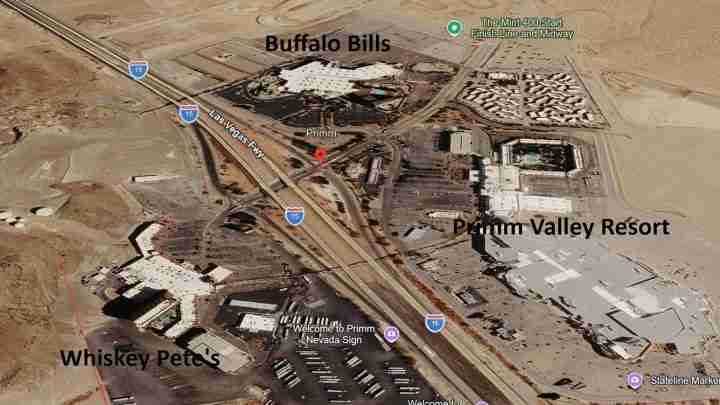
Las Vegas is a major sports and entertainment market with direct stakes in the Super Bowl conversation. The city’s large Spanish-speaking population, tourism-driven economy, sports-betting industry, and status as home to the Las Vegas Raiders mean the Bad Bunny controversy could play out differently there than in other regions.
Economic impact
- Hospitality and tourism: Super Bowl–related viewing parties, hotel bookings and casino traffic drive local spending. If national viewership or advertiser support drops meaningfully, related spending could be affected, though local demand may remain strong.
- Sports betting: Nevada’s revenue depends on national events. Betting activity is tied to the game itself, so analysts see more risk to halftime-related promotions than to overall betting volume.
Political consequences
- Local politics and messaging: Las Vegas’ diverse electorate includes strong Hispanic communities, tourism workers and unions; the halftime pick could both mobilize supporters and fuel conservative cultural messaging in local races.
- Raiders and civic identity: Team leaders and local officials may weigh in, influencing media coverage and public reaction.
Social effects
- Community response: The city’s Latinx population may view Bad Bunny’s selection as recognition of Latino culture, spurring celebrations and Spanish‑language viewing events.
- Workforce concerns: Hospitality workers and entertainers who rely on Super Bowl events may worry about reduced turnout if sponsors and attendees scale back.
Cultural relevance
Las Vegas’ entertainment ecosystem could respond with local shows, themed nights and curated events that cater to Latino audiences — potentially offsetting boycott effects by tapping regional interest in Bad Bunny’s music and cultural influence.
Practical implications for residents
- Viewing plans and events: Bars, casinos and event planners may adjust promotions; some venues will market alternatives for opponents while others promote Bad Bunny–themed programming.
- Advertising and sponsors: Local advertisers tied to national brands could face pressure if major sponsors react, changing the sponsorship mix for Super Bowl events.
Sources and further reading
- GiveMeSport
- Times of India — Boycotting trend
- Times of India — Conservative backlash report
- Hindustan Times — Fact check
- Cloaking in Equity — Analysis
- Axios — Analysis
- Marca — Coverage
Note: This story will be updated as the NFL, artists, advertisers and local stakeholders respond to the growing debate over the Super Bowl 2026 halftime show and related boycott threats.