CNN reporter confronted Georgia homeowner; live wildfire report interrupted as Derek Van Dam ordered off property
A live wildfire report in Brantley County, Georgia, was interrupted when CNN meteorologist Derek Van Dam was confronted by an angry homeowner who demanded the crew leave her property; the exchange highlighted safety and access challenges amid a 34,000-acre blaze.
Key takeaways
- CNN reporter confronted Georgia homeowner during a live field report, forcing the crew to leave
- The homeowner interrupted the live shot, shouting that her dogs were outside and ordering the crew away
- The southeastern Georgia wildfires had burned about 34,000 acres and destroyed roughly 87 homes
- Van Dam described sudden wind shifts and a “putrid chemical burning type smell” that made the crew feel nauseous
The confrontation: live shot cut short
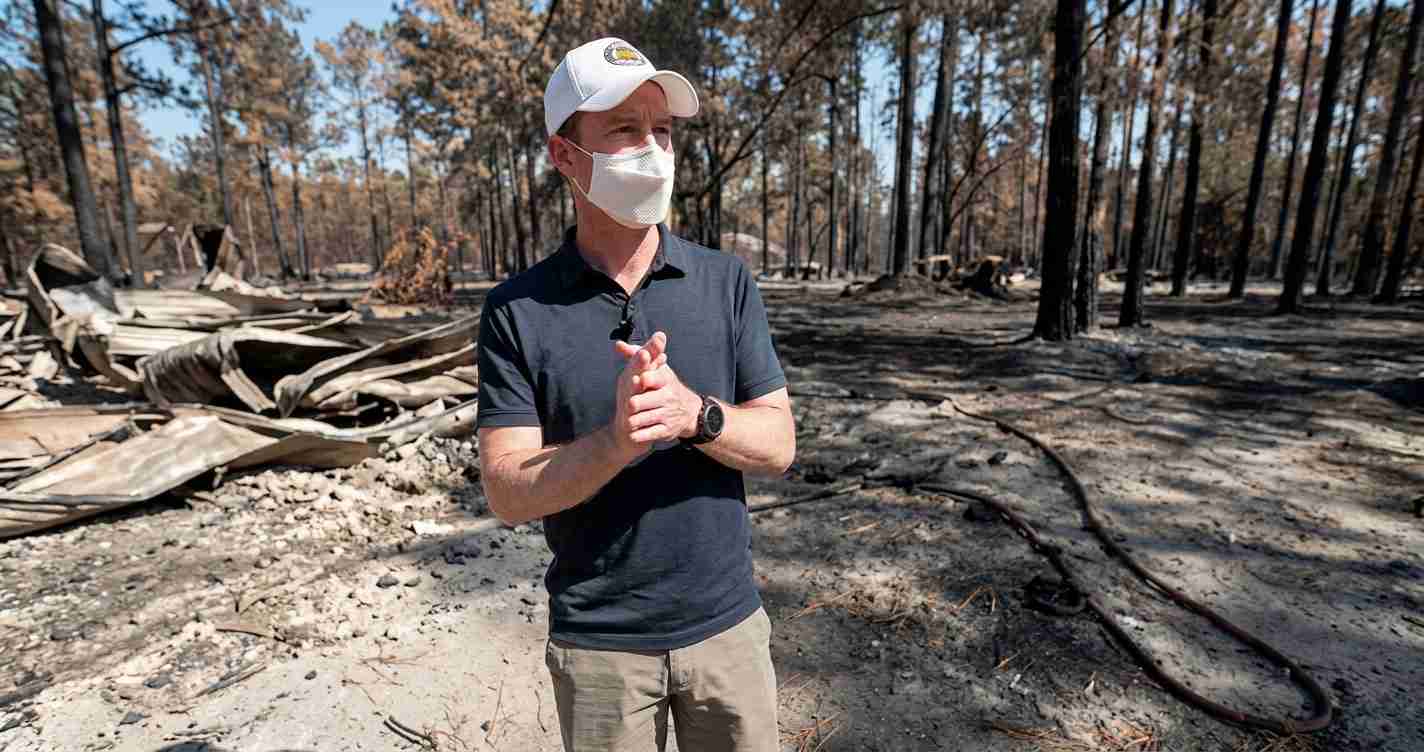
CNN weather anchor Derek Van Dam was on location in Brantley County on Friday covering fast-moving wildfires when a woman approached the crew and began shouting. The exchange was captured live; the homeowner shouted that she did not want anyone near her house and that her dogs were outside.
“I don’t want nobody near my house! My dogs are out there. Get away, get away!”
Van Dam responded calmly and de-escalated on air: “You got it, you got it. We are — okay,” and the crew left the property. The live shot was cut away and studio co-anchor Pamela Brown noted the abrupt end, saying, “Let’s hope Derek gets to safety there”.
The interruption shifted attention from the large-scale destruction to a tense moment about private property and safety, underscoring the pressure people feel during fast-moving disasters and the tough choices reporters face when working near residents’ homes.
Scale of the disaster and local orders
The on-air confrontation occurred as crews and officials dealt with rapidly spreading blazes across southeastern Georgia. Authorities reported that roughly 34,000 acres had burned and about 87 homes were destroyed when Van Dam was reporting. Drought and high winds were driving the fires, and local officials issued mandatory evacuations and curfews in affected areas.
Those evacuation orders and curfews were in place to protect residents and help emergency responders work without extra risk from civilian traffic. Yet residents told reporters they were anxious about their homes and animals; the homeowner who confronted Van Dam cited her dogs being outside as an immediate personal concern (Mediaite coverage).
Environmental hazards during reporting
Van Dam described how conditions on the ground changed quickly: winds shifted and brought a “putrid chemical burning type smell” from smoldering materials nearby, which prompted the crew to don masks. He said the smell returned with the wind change, making the crew feel a little bit nauseous and lightheaded.
Changing winds can push flames and smoke into new areas in minutes. The smell Van Dam described suggests plastics or other treated materials may be burning, which can release toxic fumes and rapidly reduce air quality.
Reporting and safety challenges
Field reporters must balance informing the public with staying safe and respecting people’s property. In this case, Van Dam and the CNN crew chose to comply with the homeowner’s demand and leave the scene quickly. That decision aligns with common newsroom safety protocols: leave immediately if a location becomes unsafe or if residents insist a crew depart.
The interruption also highlights how citizens under stress can act unpredictably. Producers and reporters often try to coordinate with authorities and property owners in advance, but fast-moving natural disasters can leave little time for those checks.
Implications for Las Vegas, Nevada
Local officials and media in the Las Vegas area can draw lessons from this episode:
- Emergency planning and public communication: Ensure evacuation messaging covers animals, routes and access rules so frightened residents are less likely to confront responders or reporters.
- Media safety and training: Newsrooms should rehearse interacting with distressed residents, stepping off private property when asked, and recognizing toxic-smoke hazards.
- Air quality and health risks: Remind residents wind shifts can rapidly degrade air quality; the described “putrid chemical” smell underscores risks from burning treated materials.
- Animal welfare during evacuations: Publicize pet-evacuation options and temporary sheltering to reduce the impulse to delay evacuations or confront crews.
- Property access and trust: Clarify who may enter private property during emergencies and under what rules to reduce confrontations.
- Cross-jurisdiction coordination: Maintain mutual aid agreements and drills so neighboring counties can support rapid evacuations and resource sharing.
Source attribution and reporting note
This account draws from video and reports of the live interruption and from on-air comments by Derek Van Dam and studio co-anchor Pamela Brown: Mediaite’s report of the confrontation and Noticias Fox News’ summary of Van Dam’s description of changing air quality.
Source links for reference
- Mediaite: CNN report interrupted by woman shouting at reporter to get off her property
- Noticias Fox News: Homeowner confronts CNN reporter live, orders crew off property
Reporting note: This story is based on the live broadcast and contemporaneous coverage of the interruption during Derek Van Dam’s field report and on official statements about the fires’ scope and conditions. For original coverage see the linked Mediaite and Noticias Fox News pieces above.