Iran set to hang protester in first execution linked to anti-regime demonstrations
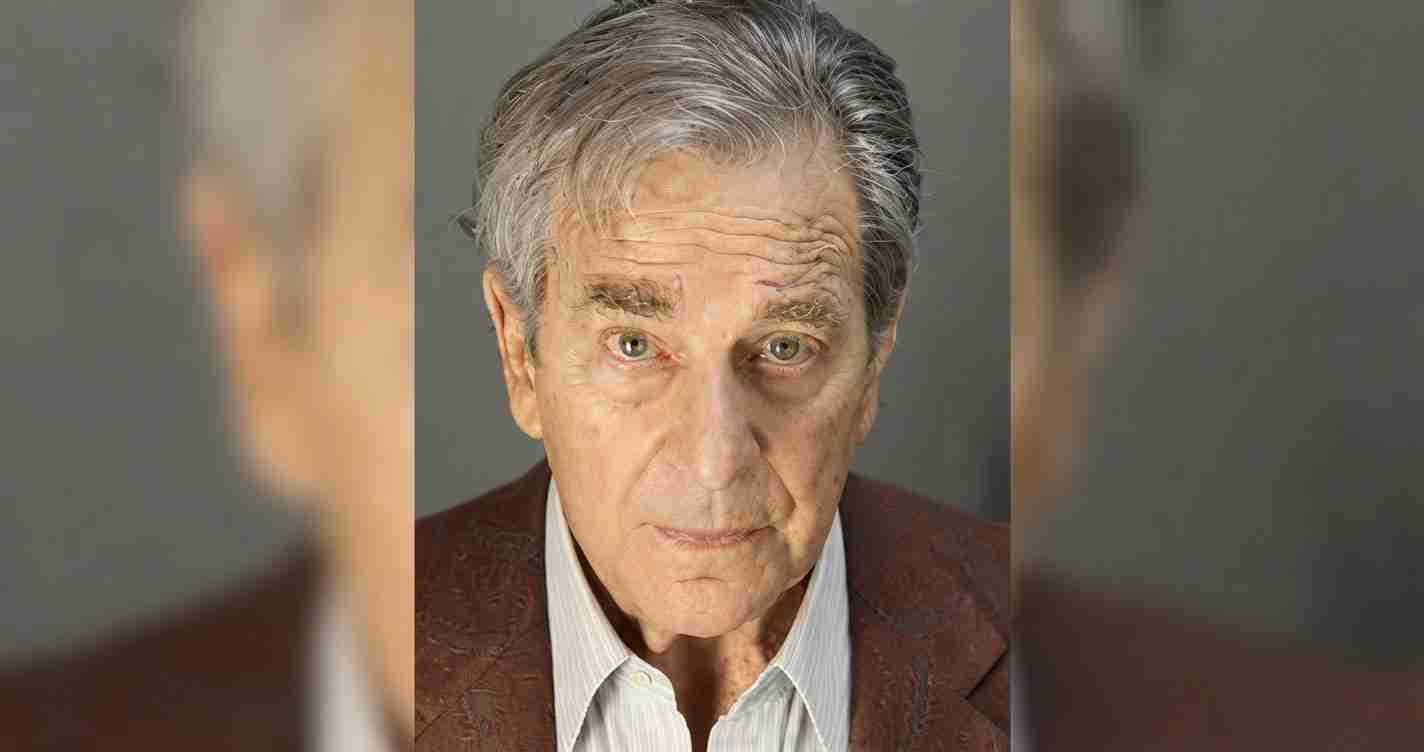
Erfan Soltani, 26, from Fardis near Karaj, faces execution by hanging on January 14, 2026, after being convicted of “waging war against God” amid Iran’s anti-regime protests, and calls for international intervention follow.
- Fast-tracked case: Rights groups report Soltani was arrested January 8, 2026, denied meaningful counsel, and sentenced within days.
- Capital charge: He is accused of moharebeh (“waging war against God”), a capital offense under Iranian law.
- Information limits: Communications blackouts and restricted access complicate independent verification of court records and circumstances.
- Global appeals: Human rights organizations, the online petition, and diaspora groups have urged intervention and diplomatic pressure.
Arrest, sentencing and short timeline
What happened: According to local monitors and rights groups, Soltani was detained at his home in Fardis, near Karaj, on January 8, 2026. Within days his family was informed of a death sentence and an execution date set for January 14.
Sources reporting this timeline include monitoring organizations and international outlets that cited eyewitness accounts and rights-group summaries. For coverage and original reporting see Hengaw, Iran Human Rights, NDTV and Fox News.
“The rapid proceedings and lack of transparency demand international intervention,” rights monitors said, urging independent review and due process.
Charges and legal concerns
Charge: Iranian authorities charged Soltani with moharebeh — “waging war against God” — a charge that carries the death penalty under Iran’s penal code. Rights groups say the case appears to have been expedited with limited access to counsel and constrained appeal opportunities.
Context: Hengaw and Iran Human Rights have documented other rapid prosecutions of protesters; they caution that opaque procedures undermine standards of fair trial and due process. See reporting from Hengaw and Iran Human Rights for case lists and analysis.
Independent verification and reporting limits
Verification challenges: Independent confirmation of court records, full charges and official statements is limited by internet blackouts and communication restrictions across protest-affected regions. Observers warn that figures and timelines rely on local monitors and eyewitnesses.
International outlets note the reporting constraints and advise caution while corroborating claims with trusted monitors. See summarized reporting at NDTV.
Statements from human rights groups and activists
Calls to action: Human rights organizations, including Iran Human Rights, and local groups have appealed for urgent international pressure to halt the execution and to secure fair trials for detained protesters. The Change.org petition and diaspora networks have mobilized signatures and statements.
Activist groups such as the National Union for Democracy in Iran have urged global audiences to “be his voice” and to pressure diplomatic channels.
Broader protest backdrop
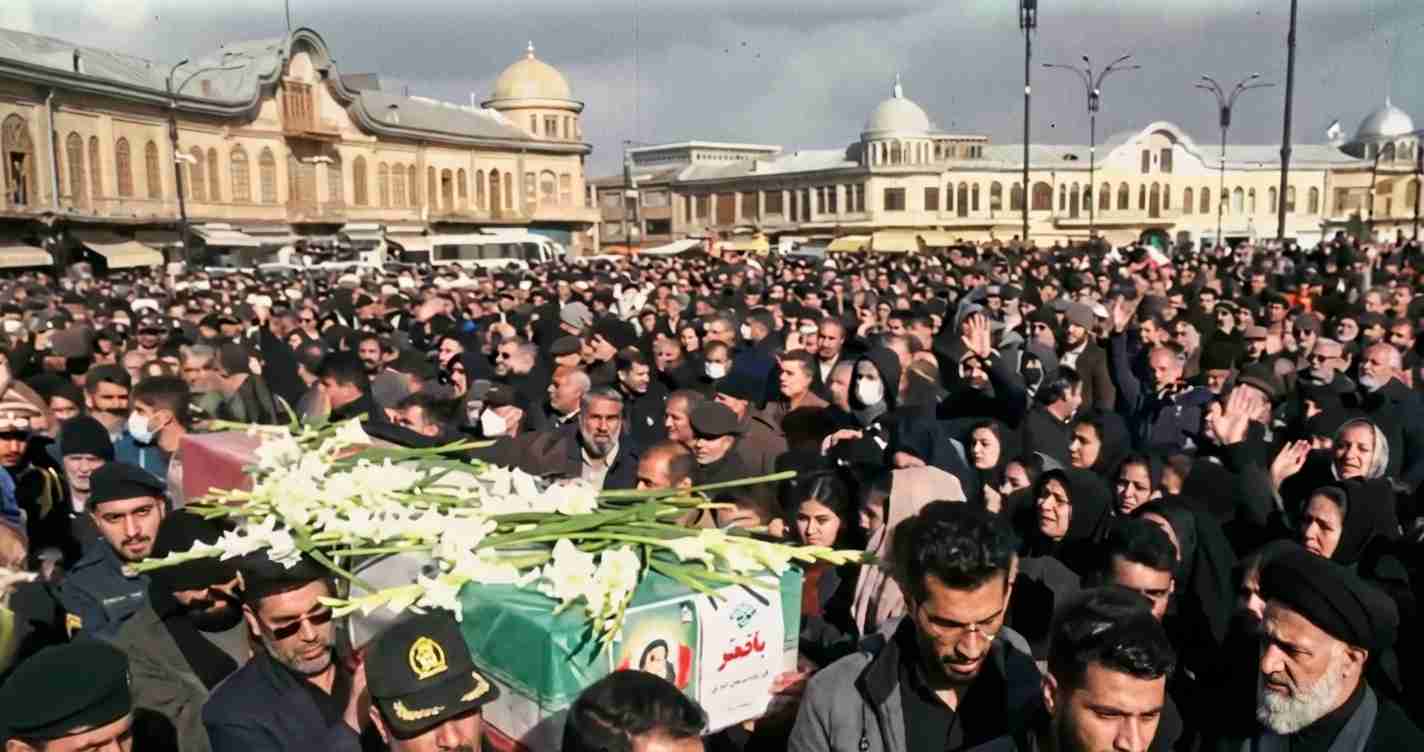
Origins: The demonstrations began in late December 2025 amid economic strain and political anger. Activists report thousands arrested and hundreds to thousands killed, though counts vary by source and independent verification is limited.
Government posture: Iranian officials have denounced the unrest and described foreign influence as a factor; senior figures, including parliament speaker Mohammad Bagher Ghalibaf, have publicly criticized the protests.
International reaction and calls for intervention
Global response: Responses range from urgent appeals by human rights organizations to diplomatic discussions; some political figures have publicly commented on possible measures. Rights groups and diaspora organizations are urging rapid diplomatic pressure to prevent an execution.
Outside observers rely heavily on reports from trusted monitors and rights groups when shaping responses, given the restricted flow of information inside Iran. See coverage at Fox News and NDTV.
Implications for Las Vegas, Nevada
Local impact: Las Vegas’s Iranian and Middle Eastern diaspora may organize solidarity demonstrations, vigils and cultural events. Local businesses, faith groups and mental health providers could see increased demand for support and information.
Political and civic actions: Constituents may ask local representatives and Nevada’s congressional delegation to take public stances or press federal channels. Community groups can coordinate peaceful events, letter-writing campaigns, and fundraisers for vetted NGOs.
Practical guidance: Residents should verify reports through established sources, consult official travel advisories for relatives abroad, and support verified humanitarian or legal-aid organizations assisting affected families.
Sources and material for this report
- NDTV: Iran to hang 26-year-old Erfan Soltani in 1st execution over anti-Khamenei protests
- Fox News: Iran set to hang protester in what would mark first execution tied to anti-regime demonstrations
- Hengaw Organization for Human Rights: Article on Soltani case
- Iran Human Rights (IHRNGO): Reports on protest casualties and rights concerns
- Video report 1 and Video report 2
- Change.org petition: Every Second Counts: Halt the Execution of Erfan Soltani