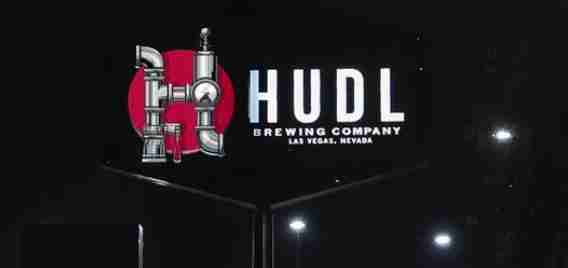
HUDL Brewing Company to Close Arts District Taproom After Five Years
HUDL Brewing Company will close its Arts District taproom after five years, citing a more than 25% revenue decline, rising costs, and an inability to finance a planned kitchen expansion; limited weekend service will continue until beer supplies run out.
- Closure reasons: Owners point to steep revenue declines, inflationary supplier costs, stalled distribution and a failed kitchen build-out.
- Final days: The taproom plans to remain open the weekend of Saturday the 13th and Sunday the 14th, with limited hours around Christmas “or until we run out of beer.”
- Community impact: HUDL called on patrons to keep supporting local breweries and warned independent producers remain fragile.
- Sources: Coverage and the company statement are detailed by A.D. Cook and local TV by KTNV Channel 13.
What happened: timeline and final days
Owners Skip Norfolk and Lisa Hamilton said HUDL began the year with plans to expand production by 20–25% and add a kitchen to boost food sales. Summer brought a sudden sales slowdown: distribution stalled and taproom traffic dropped, producing a revenue decline of more than 25%.
“Sales stopped,” the owners wrote, noting they could not secure funding for the kitchen build-out that might have steadied the business.
The company announced final scheduled days: goodbye on Saturday the 13th, open Sunday the 14th, and limited Friday–Sunday hours around Christmas — “or until we run out of beer.” Local television reports echoed these reasons and dates. For coverage see KTNV Channel 13.
Reasons cited by owners
Revenue drop and sales slowdown
Down more than 25% overall: owners described a brutal summer where both taproom visits and distribution sales fell sharply, eliminating cash available for key investments.
Unrealized kitchen and need for food service
Owners emphasized, “We need food out of our location,” saying lack of on-site food put HUDL at a competitive disadvantage in a neighborhood where patrons increasingly seek full dining experiences.
Cost inflation and margin pressure
Rising supplier and vendor prices squeezed margins. HUDL noted that some dinners in January 2025 would cost about 27% more than 11 months earlier, making it impossible to absorb rising input costs without unacceptable price hikes on pints.
Changes in customer patterns and Arts District traffic
Operators reported fewer multi-stop nights; visitors now often stay at one or two venues, reducing the number of businesses each patron visits during an evening and hurting venues that relied on rotational foot traffic.
Transportation, parking and access problems
Owners pointed to surging ride-share costs (examples of trips from the Strip rising from about $12 to as high as $50 after fees) and construction-driven parking fees that can “skyrocket to $20 and over,” deterring guests.
Tourism slump, reputation and international visitors
A broader tourism slowdown and concerns over pricing perceptions in Las Vegas reduced repeat visits. HUDL singled out a sharp fall in Canadian tourists, who formerly accounted for nearly 12% of business in certain months.
Government shutdown and other external shocks
Owners listed the recent government shutdown among external pressures that compounded operational challenges, alongside shifting alcohol consumption trends as younger people drink less.
HUDL’s role in the Arts District and community response
HUDL had been part of Las Vegas’s growing brewery scene and a neighborhood gathering spot for events. In their farewell the owners thanked regulars and staff, calling the team “incredible” and asserting they made “the best beer in the city.” They apologized, saying they “failed you”, and urged locals to keep supporting other independent breweries.
Investigative notes and open questions
- Timing and scale: Why did a planned 20–25% production increase reverse into a >25% revenue drop over the summer? Regional tourism and taproom data may clarify.
- Canadian visit patterns: What travel, economic or policy shifts explain the near-disappearance of Canadians who previously made up a meaningful share of seasonal sales?
- Rideshare and pricing impact: How much have mobility costs and event-parking fees changed, and how do they affect neighborhood venues?
- Foodservice as survival: How many Arts District breweries operate without kitchens, and how materially does a food program affect taproom revenue?
Implications for Las Vegas
Economic impact
HUDL’s closure removes a small business and employer from the Arts District. Neighbors — from food trucks to retail — could see reduced weekend revenue. Owners urged patrons to “continue supporting craft breweries across Las Vegas.”
Political consequences
City and county leaders focused on downtown revitalization may face pressure to examine transportation costs, parking policies, permitting timelines for kitchen build-outs, and other measures that affect small-business viability.
Social and cultural effects
The loss reduces public gathering spaces tied to the Arts District identity. Fewer small venues can alter neighborhood dynamics and limit casual multi-stop evenings that once helped knit the local community together.
Practical actions for residents
To help independent breweries: visit regularly, buy to-go beer, prioritize Arts District nights out, and advocate for policies that ease kitchen permitting, parking costs, and transportation access.
Sources
- A.D. Cook, “HUDL closing reasons” — HUDL Brewing Company closure statement and analysis.
- KTNV Channel 13 Las Vegas report — Local TV coverage and reporting on the closure.