CES 2026 showstoppers: 10 gadgets, robots and AI wearables that stole Las Vegas
At CES 2026 in Las Vegas, a lineup of TVs, stair‑climbing robots, AI wearables and smart‑home gear captured attention — from LG’s Wallpaper OLED to Dreame’s Cyber X and a new wave of practical AI wearables.
- Show floor themes: smarter homes, more capable robots and compact AI wearables driving practical use cases.
- Standouts: thin, art‑like TVs; stair‑climbing cleaning robots; and wearable AI focused on smart‑home control and safety.
- Local impact: major product reveals keep Las Vegas central to hospitality, retail and trade‑show economies.
Why these 10 stood out at CES 2026
CES 2026 brought familiar themes — smarter homes, more capable robots and small devices powered by AI. The picks below were singled out repeatedly by exhibitors, reviewers and social media for combining visual impact, real customer pain‑point solutions and fresh uses of AI.
1. LG W6 Wallpaper OLED TV
LG’s revived “Wallpaper” W6 OLED returned as one of the show’s headline pieces. The set measures roughly 9 mm thick and is designed to sit nearly flush with the wall while moving all ports and inputs to a separate wireless Zero/One Connect box that can sit up to about 10 meters away. LG says the W6 uses a Primary RGB Tandem OLED panel with Hyper Radiant Color tech, promising much higher peak brightness and richer color than previous OLEDs. It supports 4K at 165 Hz, NVIDIA G‑SYNC and AMD FreeSync Premium, and uses LG’s Alpha 9/11 Gen 3 AI processor for upscaling and HDR work. Reviewers called it one of the most visually striking TVs at CES 2026. Sources include Engadget, What Hi‑Fi, LG newsroom and LG CES page. Watch the demo video.
2. Dreame Cyber X stair‑climbing robot vacuum
Dreame’s Cyber X attracted attention for solving a familiar robot vacuum limitation: stairs. Demos showed a base that can climb or descend steps and plan multi‑level routes using LIDAR and 3D obstacle sensing. The concept promises whole‑home cleaning without the user having to carry a robot between floors — a visceral, shareable idea that went viral on social feeds at CES.
3. SwitchBot AI MindClip — AI wearables in focus
SwitchBot’s AI MindClip is a small clip‑on assistant that highlights the CES trend toward AI wearables. It clips to clothing or bags and uses a mix of on‑device and cloud AI to answer voice prompts, summarize information and control SwitchBot’s smart home devices. Reviewers noted the device’s focus on smart‑home control rather than replacing a smartphone, making it a practical entry in the growing category of AI wearables.
4. LG CLOiD home robot
LG showed a polished home robot in its CLOi family designed as a mobile smart‑home hub and companion. CLOiD features voice interaction, facial recognition, telepresence capabilities and integration with LG appliances. Compared with many experimental robots on the floor, CLOiD felt like a near‑brand product — a sign that major manufacturers are moving from concepts to usable home robots.
5. Glyde smart hair clippers
Glyde’s app‑connected hair clippers pair digital length controls and style presets with tutorials and AR guidance. The product aims to make consistent home haircuts and fades easier for nonprofessionals, and includes maintenance tracking for blades. Reviewers called it one of the most practical personal‑care devices at CES, fitting the smart everything theme.
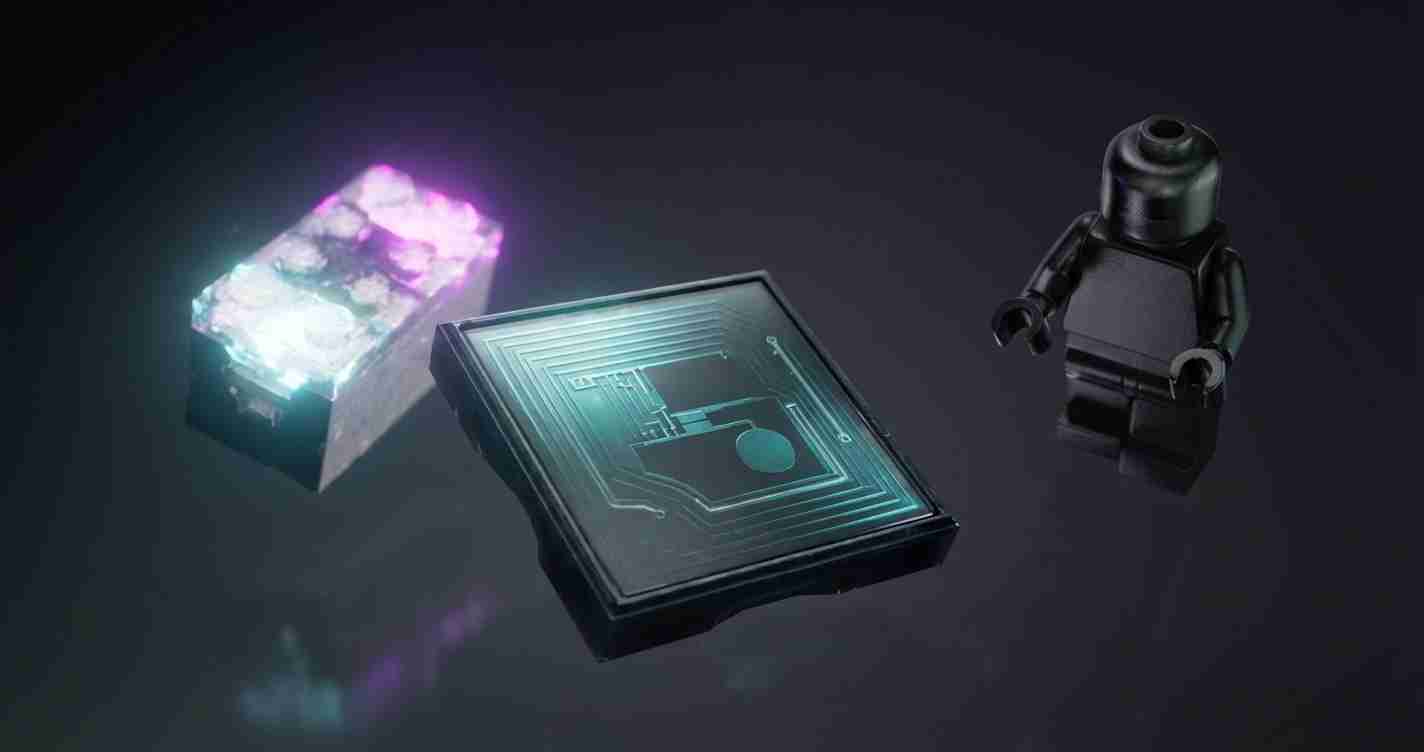
6. LEGO Smart Bricks
LEGO previewed smart bricks that embed sensors and identifiers so individual pieces can be recognized by apps or hubs. The bricks enable guided builds, programmable behaviors and STEM learning tools. The mix of LEGO nostalgia and modern sensor tech made this a favorite in family and education coverage streams.
7. Autoliv foldable steering wheel
Autoliv’s foldable steering wheel is a tangible look at future vehicle interiors for semi‑autonomous cars. The wheel can retract or fold away when the vehicle is in automated mode, reclaiming cabin space while retaining integrated safety systems like airbags. For journalists and attendees, the design translated abstract autonomy talk into a visible, human‑centered feature.
8. TDM Neo Hybrid headphones
TDM’s Neo Hybrid headphones were highlighted in audio coverage for combining multiple driver types and supporting low‑latency wireless with high‑resolution codecs. With a focus on both gamers and audiophiles, reviewers praised their soundstage and engineering, making them a standout in a crowded audio field.
9. Jackery Solar Mars Bot
Jackery’s Solar Mars Bot is a mobile, solar‑tracking power platform built for outdoor, RV and emergency use. The unit moves to follow the sun and reorient panels for optimal charging. As a portable, steerable alternative to fixed solar panels, it grabbed attention in sustainability and outdoor‑tech roundups.
10. Timeli personal safety device
Timeli is a discreet wearable safety device that offers silent activation, location sharing and app‑based escalation workflows. Designed to look like jewelry, Timeli aims to be ready for immediate help while remaining unobtrusive. It was frequently cited in health and safety gadget lists at CES.
Plus many others
CES 2026 also showcased other notable trends that framed these top 10: a wider LG TV lineup including the G6 and Micro RGB Mini LED displays (see What Hi‑Fi, Engadget), an explosion of AI pins and badges from startups, a wave of companion and terrain‑capable robots, and smart‑home and safety devices that push personal privacy and responsiveness.
“Devices that combine striking demos with genuine problem‑solving repeatedly cut through the noise on the show floor,” said multiple reviewers and attendees during CES coverage.
Sources and coverage
Primary show impressions are drawn from CES 2026 demos, manufacturer briefings and early reviews. LG’s announcements and product pages were a focal point for TV coverage (LG newsroom; LG CES page), and detailed writeups and hands‑on reports appeared on Engadget and What Hi‑Fi. Video demos captured the Wallpaper TV and other LG products on stage (demo video).
Implications for Las Vegas, Nevada
Economic impact
CES remains one of Las Vegas’s largest annual events, pumping hundreds of millions into hotels, restaurants, tradeshow services and transportation. Showstoppers like the LG W6 Wallpaper OLED TV and Dreame’s Cyber X draw global press and buyers, helping sustain the city’s hospitality and convention ecosystems. Local vendors, booth builders and tech service firms stand to gain from repeat business if manufacturers continue to use Las Vegas as a launch stage.
Political consequences
Large trade shows shape policy debates about incentives, workforce training and public safety. The growth of robotics, AI wearables and vehicle autonomy highlighted at CES may drive local conversations in Clark County about workforce retraining, zoning for automated mobility testing and regulations for drones or delivery robots operating in public spaces.
Social effects
New consumer tech — particularly AI wearables and personal safety devices like Timeli — could change daily life in Las Vegas neighborhoods. Hospitality workers, residents and visitors may adopt wearables for convenience or safety. At the same time, privacy and data‑handling questions raised by AI devices will likely prompt civic groups and city officials to press for clearer consumer protections.
Cultural relevance
Las Vegas markets itself as a showplace for spectacle. Devices that “look like art” (the thin LG W6 TV) or deliver striking demos (stair‑climbing robots, solar bots) feed into the city’s identity as a place to see the future. That helps local brands and attractions that use tech to enhance visitor experiences.
Practical applications for residents
Many CES products aim at home convenience — robot vacuums that climb stairs, CLOiD mobile home assistants, smart clippers and safety wearables. For Las Vegas residents living in multi‑level homes and condos, the Dreame Cyber X and smart‑home integrations shown at CES could reduce chores and improve security. Small businesses — barbers, rental properties, event planners — may also adopt smart grooming tools, portable solar bots and advanced AV gear showcased at CES.
What to watch next in Las Vegas
Expect follow‑up announcements on pricing and retail availability in the months after CES. Local retailers, tech service firms and the hospitality sector will be important partners in turning show prototypes into products Las Vegas residents and businesses can buy and support. Reporters and city leaders should monitor product rollouts, privacy policies for AI wearables and the local economic impact as these CES 2026 showstoppers move toward market shelves.