Over 5,000 cold-stunned green iguanas removed in two days under FWC iguana exemption
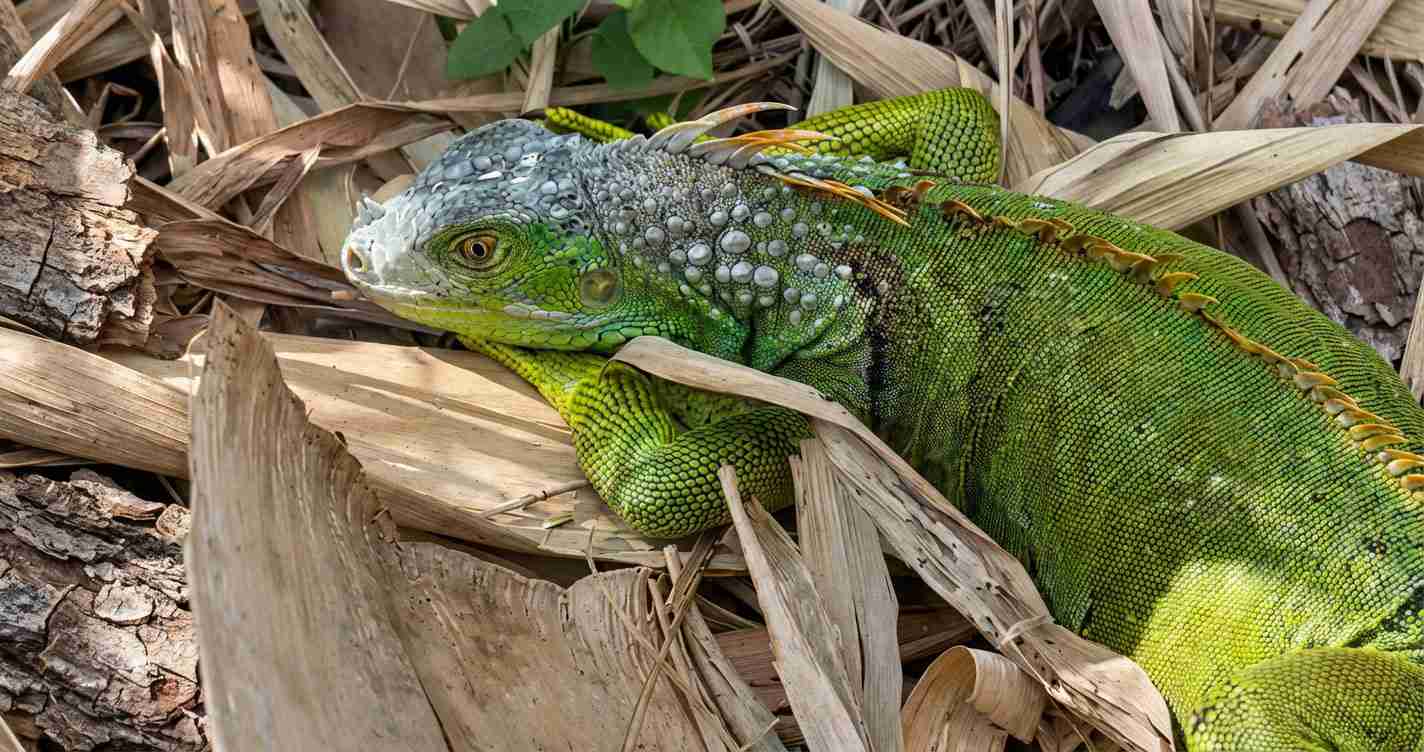
Over 5,000 invasive green iguanas were collected and turned in to Florida Fish and Wildlife offices during a two-day, limited permit exemption after an extreme cold snap stunned the reptiles, prompting mass public participation in removal efforts across South Florida.
- 5,195 iguanas were documented delivered to four FWC sites during Feb. 1–2, 2026, per the FWC news release.
- The operation relied on a time-limited allowance under Executive Order 26-03, which has now expired.
- Live animals were moved to permitted holders when possible; remaining animals were humanely euthanized by trained staff, as reported by the agency and Popular Science.
- Drop-off totals highlight concentrated collection sites: Sunrise, Tequesta, Marathon and Fort Myers, with Sunrise receiving the largest share.
What the FWC announced and why the order was issued
The Florida Fish and Wildlife Conservation Commission said an unusual cold snap produced a rare opportunity to remove large numbers of nonnative green iguanas that damage native plants, burrow into infrastructure and threaten public spaces. FWC executive director Roger Young praised broad cooperation, calling the effort “only possible thanks to the coordinated efforts of many staff members in multiple FWC divisions and offices, our partners and, of course, the many residents that took the time to collect and turn in cold-stunned iguanas from their properties.”
“Only possible thanks to the coordinated efforts of many staff members … and the many residents that took the time to collect and turn in cold-stunned iguanas.” — FWC executive director Roger Young (full statement in the agency release)
How the two-day exemption worked
FWC issued Executive Order 26-03 to temporarily relax permitting rules and allow people with property permission to capture and deliver live, cold-stunned green iguanas to designated FWC offices. The order applied only during specific hours on Feb. 1 (9 a.m.–noon) and Feb. 2 (8 a.m.–4 p.m.) and has since expired. The agency initially listed five possible drop-off locations; final operations used four sites.
Where the iguanas were collected (drop-off totals)
FWC provided a site-by-site breakdown of animals turned in during the two-day operation:
- Sunrise (near Fort Lauderdale): 3,882 iguanas — per the FWC news release.
- Tequesta (north of West Palm Beach): 1,075 iguanas — per the FWC news release.
- Marathon (South Florida Regional Lab): 215 iguanas — per the FWC news release.
- Fort Myers location: 23 iguanas — per the FWC news release.
What happened to the animals after collection
FWC staff coordinated transfers of live iguanas to permitted holders for possession or sale outside Florida when allowed by law. Animals that could not be transferred were humanely euthanized by trained staff as part of processing. The agency emphasized adherence to state rules about prohibited species and transport; media outlets including Popular Science reported on euthanasia protocols.
Legal and ecological context
Green iguanas are listed as a Prohibited species in Florida due to impacts on native plants, burrowing damage to infrastructure and competition with native wildlife. Outside narrow exemptions such as this one, possession, sale or transport generally requires a permit. FWC guidance notes that on private property owners may humanely kill iguanas or hire licensed wildlife control professionals for removal; additional deterrent and management guidance is available from the agency.
Numbers and reporting: official totals and outliers
FWC’s official total for the two-day operation is 5,195 iguanas. Some outlets published alternate estimates — one outlier reported as many as 8,000 — but the agency’s published count remains the authoritative figure. Local video coverage documented members of the public collecting and turning in animals, underscoring the community role in the response.
Investigative questions and operational challenges
The rapid operation raises follow-up questions for FWC and local authorities:
- Cost and logistics: What were the staff, space and handling costs, and how did regional offices manage the surge?
- Long-term transport safeguards: How are transfers outside Florida monitored to prevent accidental spread?
- Public safety and oversight: Would independent audits or third-party reviews improve transparency about euthanasia and handling practices?
Media coverage and public response
Local and national media widely reported the story, often citing FWC numbers and statements. Video and on-the-ground reporting showed residents collecting cold-stunned iguanas from yards and streets. Public reaction mixed praise for pest control with ethical concerns over euthanasia and the scale of invasive species issues.
Implications for Las Vegas, Nevada
While Las Vegas does not face the same scale of green iguana presence, the Florida response offers instructive lessons:
- Economic planning: City budgets for parks, stormwater and landscaping should incorporate contingency planning for invasive species control.
- Policy lessons: Emergency orders that enable public participation must be paired with clear oversight and reporting to maintain public trust.
- Community engagement: Neighborhood groups and property managers can play early roles in reporting and deterrence; businesses should maintain a contact list for licensed wildlife control operators.
Sources and further reading
- Florida Fish and Wildlife Conservation Commission — “Green iguanas removed after cold-stun exemption”
- FWC — Executive Order 26-03
- Fox News coverage of collection totals and public reporting
- Popular Science on euthanasia and handling
- Outlier estimate reporting (Phys.org)
- Video reporting of public collections