Bodycam Shows Deputy Ticketing Armless Driver in Lake Worth Beach; $116 Citation Dismissed After Viral Clip
Body-camera footage revealed a deputy cited Kathleen “Katie” Thomas, 36, for allegedly holding a phone with a right hand she does not have, prompting dismissal of a $116 distracted-driving ticket and national criticism after the clip went viral.
Key takeaways
- Ticket issued then dismissed: A $116 citation for Wireless Comm. Device/Handheld While Driving was issued and later dismissed at the deputy’s request for “lack of evidence.”
- Bodycam contradicted the stop: Released footage shows Thomas raising her right forearm to demonstrate she has no right hand, a moment that went viral and drew heavy criticism.
- Policy and training questions: The episode raised concerns about on-the-spot observations, ticketing software labels, statute selection and disability-aware policing.
Key information
Who: Kathleen “Katie” Thomas, 36, an adaptive athlete and social media influencer missing her right hand/forearm. Sources: CBS12; body‑camera video.
What: A deputy stopped Thomas during a distracted‑driving detail and issued a $116 ticket for “Wireless Comm. Device/Handheld While Driving – First Offense.” The ticket was later dismissed at the deputy’s request. Sources: CBS12; bodycam.
When and where: The stop took place Feb. 11, 2024, on North Dixie Highway in Lake Worth Beach during a Palm Beach County Sheriff’s Office distracted‑driving operation. Sources: CBS12; bodycam.
Outcome: The citation was dismissed days before a scheduled hearing, recorded as for “lack of evidence,” and drew heavy criticism online after Thomas posted the stop to social media. Sources: CBS12; bodycam.
What happened on the road
The traffic stop began when a deputy said he saw a driver “holding the phone with your right hand, manipulating that phone” as she passed during a distracted‑driving detail. The deputy asked Thomas to pull over. Body‑camera footage released this week shows the exchange that followed. Video sources: body‑camera clip; related clip.
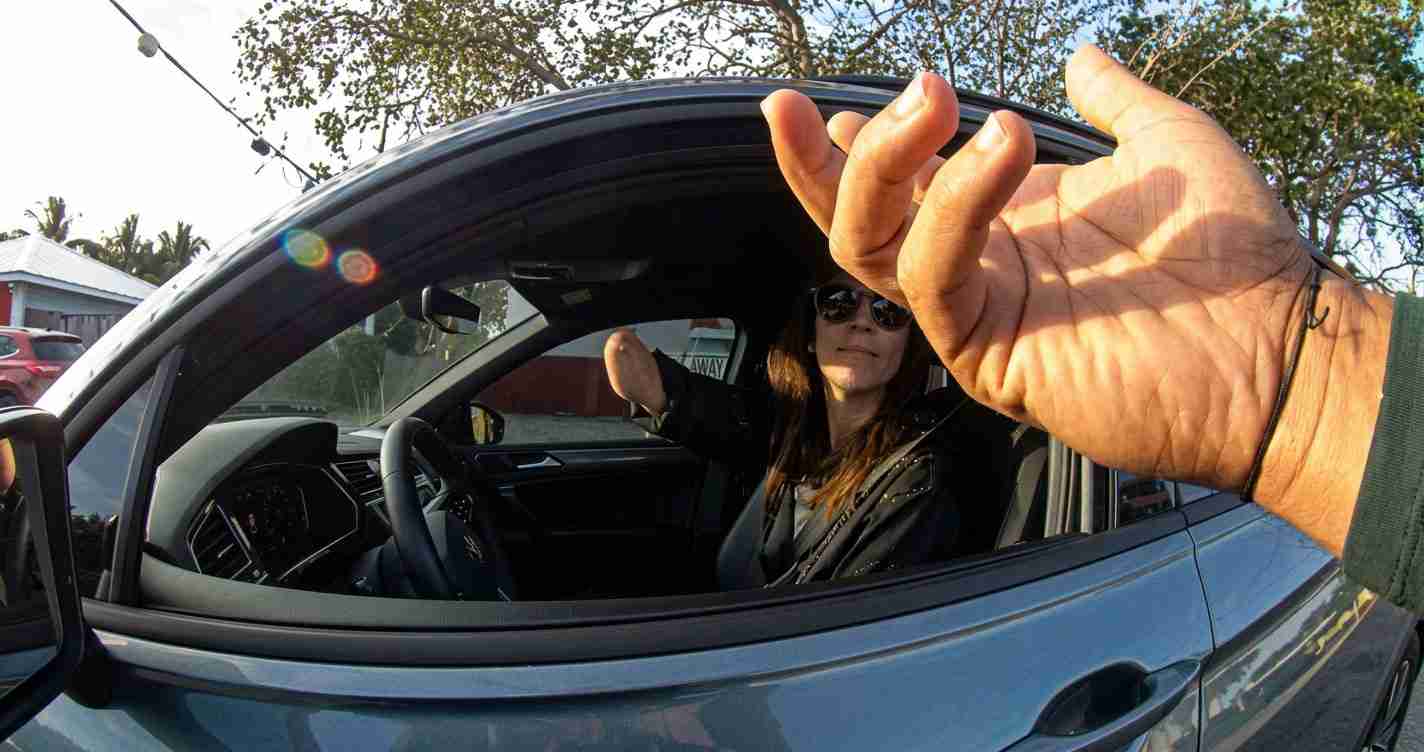
As the deputy described his observation, Thomas calmly raised her right forearm to show she had no hand. She laughed and said, “So obviously not,” then asked, “So you want to just call this a day or…?” The deputy did not end the stop. He told her he thought he had seen her “manipulating” a phone. When pressed, he partially backtracked, saying, “With the right hand, perhaps not,” but he continued to insist he had seen a phone. (Bodycam clips: JTsbz68c7-I; 6eXjU3Nn8WU.)
“Hand to God, you did not have your phone in your hand?” the deputy asked. Thomas responded, “Hand to God,” while holding up her right arm. The deputy said, “Other hand to God,” and Thomas raised her left arm — a clear visual contradiction that became widely replayed online.
The citation, the law and the dismissal
Thomas was issued a $116 citation marked “Wireless Comm. Device/Handheld While Driving – First Offense.” Under Florida law, the rules can be nuanced: §316.305 targets texting while driving and is enforced differently than rules that restrict handheld device use in school or work zones under §316.306. Holding a phone outside those special zones is not automatically a primary offense in many cases.
Local reports noted the boxes on the ticket for school zone or construction zone were not checked, raising questions about whether the specific statutory language fit the circumstances. Court records show the deputy who issued the citation later asked that the case be dismissed, and a hearing scheduled roughly three months after the stop was canceled. One report listed the dismissal as for “lack of evidence.” Sources: CBS12; bodycam.
Palm Beach County Sheriff’s Office response
PBSO spokesperson Teri Barbera said the deputy initiated the stop based on his “visual observation at the time of the incident.” She said the office reviewed the case and the relevant state statutes, and decided to dismiss the citation because of “the totality of the circumstances,” including “lack of clarity on how violations are labeled in our citation software” and wording differences between the two statutes. Barbera emphasized that deputies must make decisions in real time and that motorists have the right to contest citations in court. (PBSO statement reported: CBS12; video: PBSO statement.)
Public reaction and Thomas’s account
Thomas posted a TikTok of the stop that helped the clip go viral. She told reporters she first assumed the stop would end once the deputy saw she had no right hand. She said she took the encounter “in stride” at first but became frustrated after being cited despite clear evidence. The video and her post drew national attention and heavy criticism of the deputy for pressing the ticket after Thomas showed she could not have been holding a phone in the right hand. (Coverage and Thomas’s post: CBS12; bodycam: JTsbz68c7-I.)
Policy questions raised
The episode prompted several policy and training questions, including:
- Reliance on real‑time visual observation: How should officers handle situations where new visuals contradict initial observations? Source: CBS12.
- Citation software and statute selection: Could confusing options in ticketing software lead to mistakes that force dismissals later? PBSO pointed to differences between statutes and software labeling. (PBSO statement: video.)
- Public trust and transparency: Viral footage can erode confidence in enforcement if officers appear unwilling to correct or abandon a charge when evidence is clear.
Implications for Las Vegas, Nevada
Economic impact: Las Vegas depends on tourism and a steady flow of drivers, rideshares and delivery vehicles. High‑profile enforcement mistakes elsewhere can spook visitors or fuel negative headlines that cities work to avoid. Local traffic enforcement perceived as fair and clear helps preserve Nevada’s reputation for safe streets without deterring visitors.
Political consequences: Urban moderates in Las Vegas typically favor balanced public safety: enforcing rules while protecting civil liberties. An incident like the Lake Worth Beach stop could rekindle debate over traffic enforcement tactics, officer training, body‑camera transparency and accountability. Officials may face pressure to ensure clear guidance and up‑to‑date training on device‑use statutes.
Social effects: The video highlights the need for sensitivity when interacting with people with disabilities. Las Vegas has an active disability community and advocacy groups could press for better police training on disability awareness and communication to reduce trauma and improve community relations.
Cultural relevance: Las Vegas values hospitality and fairness. Stories of perceived overreach or poor judgment by officers can clash with that image. Leaders and law enforcement should be mindful of how enforcement is carried out and communicated, especially as it affects marginalized groups.
Practical applications for drivers in Las Vegas: Motorists should know Nevada law on distracted driving and when handheld use is prohibited. Drivers who receive citations should understand their rights to contest tickets and request body‑camera footage. Local agencies may review ticketing forms and software to ensure statute labels and checkboxes align with state law.
Additional sources and footage
- CBS12 coverage and reporting on the stop
- Body‑camera footage and related clips: