St. Augustine Beach police use social‑media monitoring, ARTIC intelligence center to shut down planned “teen takeover” at pier
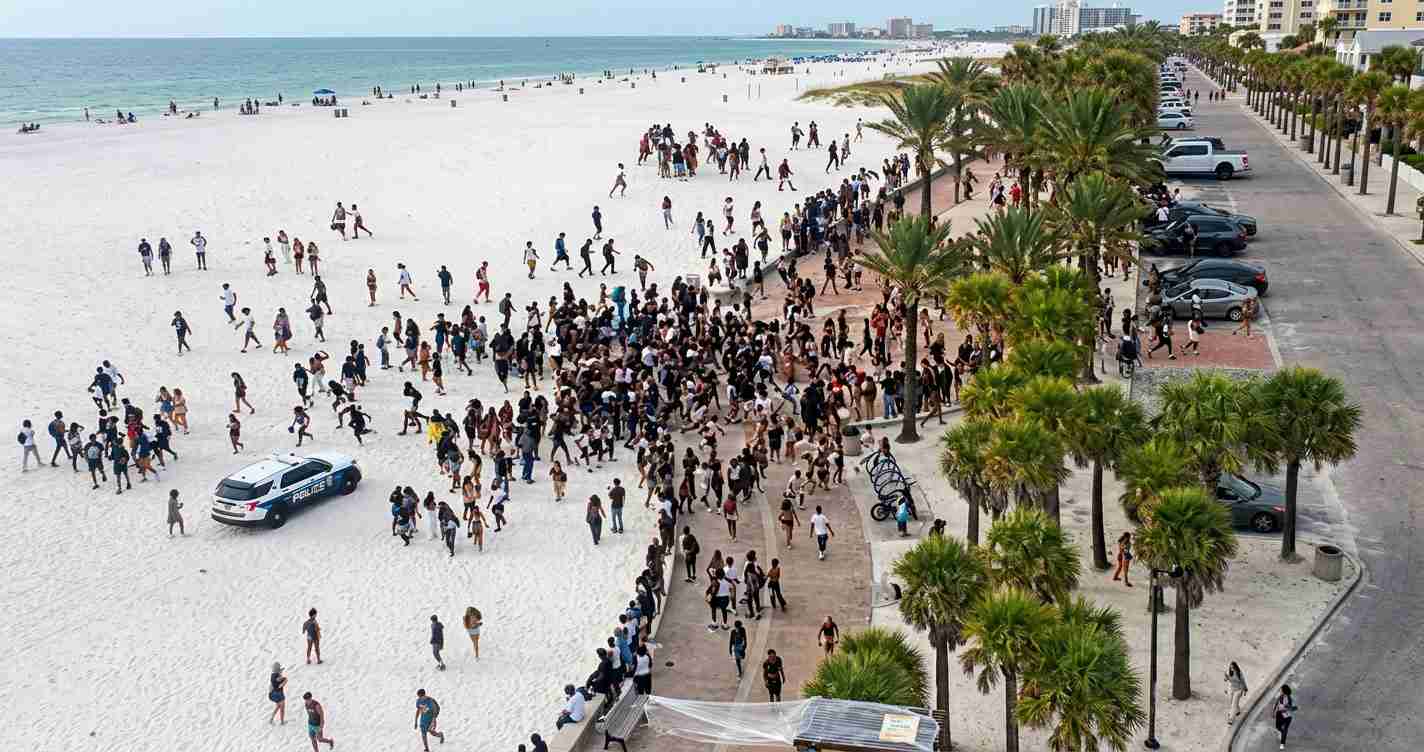
St. Augustine Beach police, aided by the St. Johns County Sheriff’s ARTIC real‑time intelligence center and social‑media monitoring, preemptively shut down a planned “teen takeover” at the pier, canceling the event and deploying extra officers before it formed.
Key takeaways
- Early detection: The St. Johns County ARTIC center flagged a viral flyer, allowing local police to act before the crowd formed (ABC News).
- Two-pronged tactic: Officials used public messaging with an overlaid Canceled flyer plus a visible officer presence to deter turnout.
- No arrests: The response prevented a large gathering; no charges were filed after the meetup was neutralized (ABC News).
- Resource strain: Small departments face staffing drains when preempting viral unsanctioned events, raising questions about scalable responses.
Main content
What happened
An unsanctioned “teen takeover” was planned for 2 p.m. Thursday at the St. Augustine Beach pier, promoted online with the slogan “Pull up. Turn Up. Take over.” The St. Augustine Beach Police Department posted the flyer with a large Canceled banner and said the event did not go forward, calling it an intentional deterrent to discourage turnout (ABC News).
How it was stopped
Analysts at the St. Johns County Real‑Time Intelligence Center, known as ARTIC, flagged the promotional material through continuous open‑source and social‑media scanning. ARTIC passed the verified lead to St. Augustine Beach police, giving the department lead time to pre‑position officers and launch a public deterrence campaign (ABC News).
Police action
Messaging: The department posted warnings on social media, labeled the meetup Canceled, and warned of “zero tolerance” for disruptive behavior. These messages aimed to lower turnout by signaling authorities were watching.
Deployment: Officers were sent to the pier in greater numbers to deter attendance and be prepared to respond quickly if people gathered. The visible presence of squad cars and uniformed patrols is a common tactic in similar Florida responses (ABC News).
“ARTIC staff search the internet … constantly for threats to our community and threats to the public,” Chief Daniel Carswell said, noting the tip allowed local officers to pre‑position staff and launch a public deterrence campaign.
Outcome
The planned takeover was neutralized before it became a large gathering; no charges were filed. Local officials credited the combination of ARTIC detection and a visible police response for preventing escalation (ABC News).
How the planned takeover looked and why police were alarmed
Flyers used short, punchy commands—typical of viral takeover events—directing large groups to converge in public spaces. The pier event’s mid‑afternoon timing made it prime for unsupervised youth turnout, and local leaders judged the promotion to be aimed more at disruption than ordinary recreation.
Detecting threats early: ARTIC and police social media monitoring
ARTIC is a real‑time intelligence hub scanning open‑source information and social media for potential threats. Its analysts located the takeover flyer and passed the lead to St. Augustine Beach police. ARTIC + local social‑media monitoring work in tandem: ARTIC finds viral posts, then notifies small departments that might not otherwise see trending content beyond their immediate area (ABC News).
Tactics used: message, visibility, deterrence
Messaging: Officials overlaid a Canceled banner on the flyer and warned of “zero tolerance” to discourage turnout.
Visibility: Officers were visibly deployed to deter attendance and to respond quickly if needed—an increasingly common approach in Florida’s recent actions against takeovers (broadcast reporting).
Resource strain and safety concerns for a small department
Chief Carswell noted the department has about 25 officers, and pulling personnel for preemptive coverage is a “complete drain on our resources.” The unpredictability of turnout—“tens” or “hundreds” of youths—heightens risks including fights, weapons, or injuries, and leaves other neighborhood duties thinly staffed (ABC News).
How the St. Augustine case fits a wider trend
The episode is part of a growing pattern of social‑media driven teen takeovers across Florida and the U.S. Examples include a May takeover in Tampa that produced arrests for fights and weapons possession and other preventive responses in Clearwater and Wesley Chapel. Jurisdictions have used patrol surges, curfews, and targeted juvenile zones to respond to the dynamic (ABC News; broadcast reporting).
Debates, alternatives and community responses
Experts stress that youth gathering is not inherently criminal; the concern is when groups engage in violence or property damage. Some cities have offered alternatives—“Takeover with a Purpose,” Midnight Basketball, or supervised late‑night programming—to redirect teens into safer, sanctioned activities. St. Augustine favored enforcement and prevention in this case, leaving open questions about mixing deterrence with positive programming (ABC News).
Implications for Las Vegas, Nevada
Economic impact: Unsanctioned viral gatherings could affect visitor perceptions and pull officers from tourist safety and event policing.
Political consequences: Leaders may face debates over social‑media monitoring and surveillance tools like ARTIC versus privacy and civil liberties concerns.
Social effects & cultural relevance: Heavy-handed shut‑downs risk criticism for criminalizing youth culture, while residents and businesses may favor proactive deterrence.
Practical applications
- Invest in or partner with regional monitoring centers to detect viral events earlier.
- Create public messaging playbooks that discourage turnout while protecting free speech.
- Develop scaled response plans to minimize pulling officers from critical duties.
- Expand partnerships with community groups to offer supervised late‑night options during peak seasons.
Sources and further reading
Coverage and reporting used in this article include: ABC News coverage of teen takeovers and law enforcement responses, and broadcast reporting with examples of pre‑staged police responses.
This investigation draws on interviews and statements from St. Augustine Beach Police Chief Daniel Carswell and reporting on similar events across Florida and the nation, as documented in the sources above.