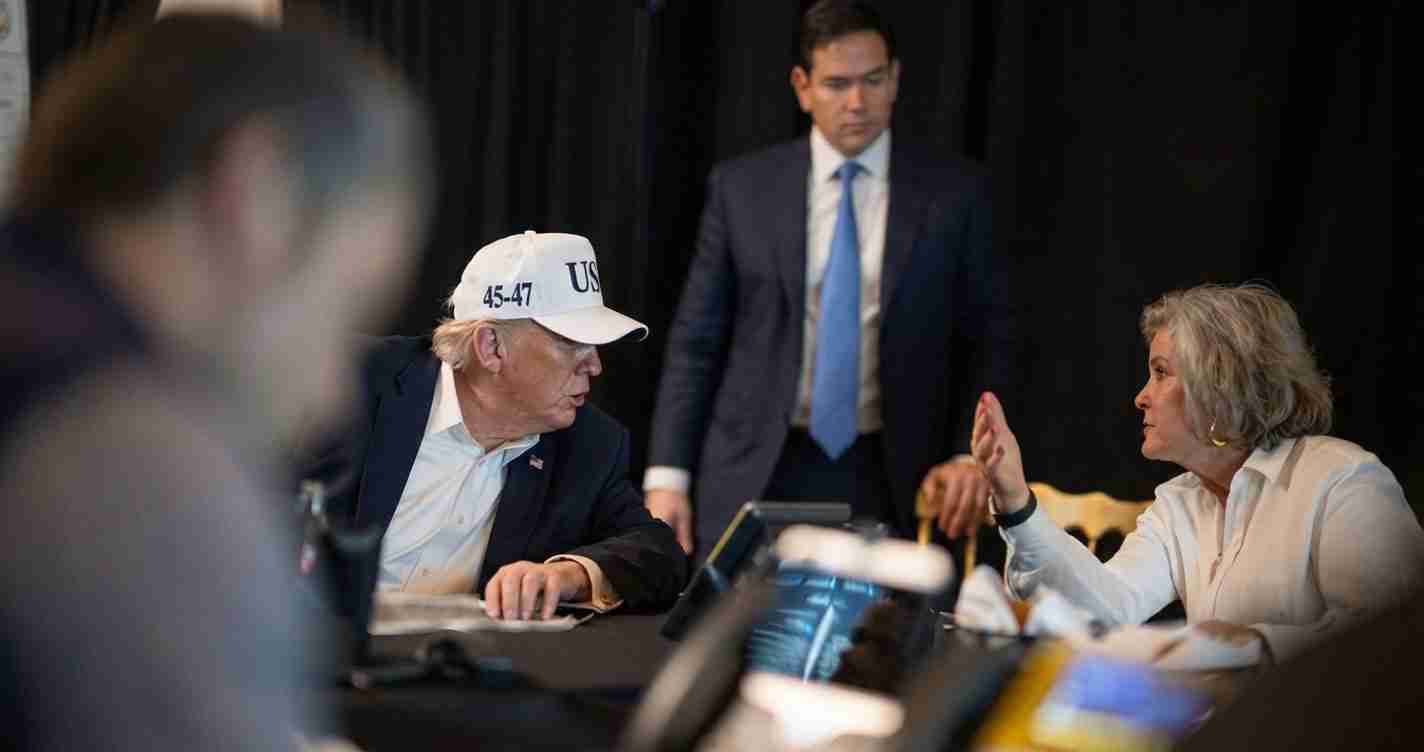
Whoop CEO Identifies Wrist Device on Susie Wiles as NSA‑Approved Fitness Tracker, Easing Security Fears After Viral Photo
Whoop CEO Will Ahmed confirmed the wrist device seen on White House Chief of Staff Susie Wiles in a viral photo was an NSA‑approved Whoop fitness tracker, saying it lacks microphone, GPS and cellular features and posed no security risk.
- Viral photo clarified: photo coverage showed a Whoop band, not a transmitting smartwatch.
- Company statement: Will Ahmed said the band is NSA‑approved and lacks microphone, GPS, and cellular capability.
- Security context: Experts note device policies vary by agency and configuration; no independent federal confirmation was released.
Key information
Photo event: A White House image captured President Trump and national security officials monitoring Operation Epic Fury, showing Susie Wiles with a wrist device that online viewers identified as a smartwatch. Coverage appears in Fox Business.
Online reaction: Social media users quickly speculated the band might transmit data, sparking cybersecurity concerns tied to presence of personal electronics in sensitive rooms.
CEO response: Whoop founder and CEO Will Ahmed identified the device as a Whoop fitness tracker and said it is approved by the National Security Agency, lacking a microphone, GPS or cellular capability; he posted his remarks on X.
White House: The White House released the photo but offered no follow‑up comment or independent confirmation about the device or its clearance.
What the photo showed
The released image depicted a secure meeting room where officials monitored the early‑morning U.S.–Israeli strike on Feb. 28, 2026. Observers noticed a wristband on Susie Wiles and, seeing what looked like a smartwatch display, raised questions about potential recording or transmission of data.
Why the photo spread fast
The combination of a dramatic military operation and a visible wrist device created a rapid online debate. Smartwatches and connected wearables are commonly singled out in security policies because many models have microphones, GPS or wireless radios that could, in theory, record or transmit sensitive information.
Whoop CEO pushes back
“It’s called a whoop. There’s no story here other than a dead ayatollah and a green recovery.” — Will Ahmed on X
Ahmed’s March 2, 2026 post identified the device as a Whoop band and emphasized that it has no microphone, GPS or cellular capability. He tied the visible readout to Whoop’s recovery metric — a health measure for stress, sleep and readiness — saying Wiles likely showed signs of strong recovery after the operation.
Whoop, the device and security claims
About Whoop: Whoop produces subscription wearable trackers that record sleep, strain, heart rate and recovery. The company, founded in 2012 and led by Ahmed, is valued at roughly $3.6 billion and partners with sports organizations.
Device design: According to Ahmed, Whoop bands rely on Bluetooth for syncing and do not include built‑in microphones, GPS chips or cellular radios — features that distinguish them from many smartwatches reported by Chosun Ilbo (English).
Ahmed’s claim that the band is “NSA‑approved” was presented as part of his public reassurance; news outlets reported his statement but the White House provided no independent verification.
Security rules and expert views
Sensitive facilities commonly restrict personal electronics that can record or transmit. Smartwatches are often singled out because of their connectivity options. Experts note that whether a device is allowed depends on the agency, the sensitivity of the operation, and how the device is configured.
Manufacturers sometimes design products to limit external communication; still, no independent security review accompanied Ahmed’s statement, leaving some open questions about enforcement and approvals in specific secure spaces.
White House response
The White House released the original image but did not answer follow‑up questions about the band or Ahmed’s assertions. Officials offered no additional statement about device policy or an independent verification of the band’s security status at the time of reporting.
Whoop fitness tracker security in context
This episode underscores a broader debate: modern wearables straddle personal convenience and institutional security. While Whoop’s design emphasizes health metrics rather than communications, experts caution that agency‑level approvals and device configuration details matter when top‑secret operations are involved.
Implications for Las Vegas, Nevada
- Government and municipal security: City and state agencies may review policies for wearables in secure or emergency centers.
- Casinos and hospitality: Venues may reassess whether staff can wear fitness trackers in control rooms or surveillance centers.
- Tourism and public confidence: Clear communication about device policies helps reassure visitors and residents.
- Healthcare and emergency response: Hospitals and first responders should clarify wearable rules during incident response and in secured areas.
- Business and tech scene: Local firms and event organizers may adopt guidance on device use during confidential meetings and conferences.
Practical steps local leaders can take
- Review device policies in city agencies and emergency operation centers.
- Remind managers in casinos and convention venues about device rules for surveillance and secure operations.
- Offer guidance to hospitals and first responders about wearables in secure areas.
- Communicate policies publicly so residents and visitors understand protections and expectations.
Reporting and transparency
For urban readers, the incident highlights that the line between personal tech and security is shifting fast. Officials who set and explain clear rules help protect sensitive information and maintain public trust.
Sources
- Fox Business: “It’s called Whoop: CEO pushes back on security violation claims after viral photo”
- Chosun Ilbo (English): Coverage of Will Ahmed’s posts and the White House photo