Repeating cockpit bell, engine loss and a fiery crash: 12 dead after UPS cargo plane explodes in Louisville
A UPS McDonnell Douglas MD-11 cargo plane exploded after takeoff from Louisville Muhammad Ali International Airport, killing at least 12 people after left‑engine separation and fire; investigators recovered the black boxes and opened an NTSB probe.
- At least 12 killed, including all three crew members and multiple ground victims; reports noted additional unaccounted-for people in early counts.
- Left engine separation: the engine detached during takeoff/climb and was later found beside runway 17R, triggering an NTSB-led investigation.
- Massive fuel-fed fire and explosion: an estimated tens of thousands of gallons of jet fuel (reported ~38,000 gallons in some accounts) worsened the blaze and damage.
- Evidence recovered: both flight recorders were retrieved; video and eyewitness footage show flames and a repeating cockpit bell.
The crash sequence
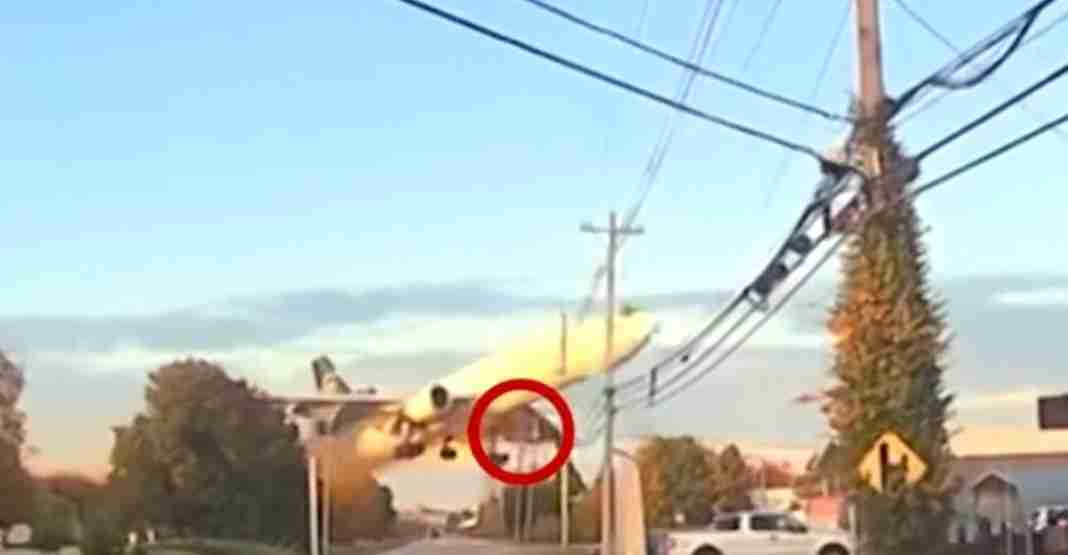
Video and eyewitness accounts show the McDonnell Douglas MD-11 lifted from Louisville Muhammad Ali International Airport and quickly developed critical problems. The jet climbed to roughly 175 feet when smoke and fire were visible and the left engine was no longer attached to the wing.
The aircraft then veered left, clipped a warehouse roof and nearby fuel tanks, and impacted a parking area and auto scrapyard, igniting extensive fires that consumed portions of the wreckage and adjacent structures.
Engine separation and possible chain reaction
Investigators reported the left engine separated from the wing during the takeoff roll or early climb. The detached engine was later located in the grass beside runway 17R. NTSB officials noted debris from that separation may have been ingested by another engine, potentially causing a loss of thrust and lift and creating a mechanical cascade that is central to the probe.
“Why did the left engine separate?” is a key question investigators are prioritizing as they reconstruct the failure sequence.
Fire, explosion and fuel load
First responders described a massive, sustained fire after impact. Officials reported the aircraft carried tens of thousands of gallons of jet fuel; when the jet struck structures and adjacent fuel tanks, the fuel contributed to intense, prolonged fires.
Fire crews faced extreme heat and flames while working to reach trapped people amid melting metal and secondary explosions.
Accounts cite an estimated ~38,000 gallons of fuel involved in the conflagration; this figure underscores how fuel load and nearby industrial storage magnified the disaster.
Cockpit warning and crew actions
Recovered audio and cockpit data capture a repeating cockpit warning bell that rang for about 25 seconds while the crew attempted to control the emergency. Investigators will analyze cockpit voice recordings and flight data to determine which warnings were active and how crew procedures aligned with training.
Eyewitness footage and recorded audio form critical evidence; see the recovered footage for details documented by observers.
Victims, injuries and response
Confirmed fatalities: at least 12 people—including all three crew members and multiple ground victims, among them at least one child in early reports. Reports noted additional people remained unaccounted for during initial rescue and recovery operations.
Emergency services transported about 15 people to hospitals, many later released. More than 100 firefighters and first responders worked on scene, battling intense heat while searching for survivors and containing secondary hazards.
Aftermath, airport operations and community impact
Airport operations and UPS Worldport activities were suspended immediately. Officials issued an initial five-mile shelter-in-place order while hazards were assessed, later reducing the zone as fires were partially controlled. The affected runway reopened two days later, though cleanup and the investigation kept parts of the airport and industrial zones closed.
Local authorities established a reunification center for families and urged the public not to disturb debris. Radio and air-traffic communications revealed interference and limited transmissions during the emergency sequence.
Investigation under way: NTSB and FAA roles
The National Transportation Safety Board (NTSB) led the technical investigation with support from the Federal Aviation Administration and other agencies. About 28 NTSB investigators were onsite collecting wreckage and records. Both the cockpit voice recorder and flight data recorder were recovered; some heat damage was reported, but examiners expect usable data.
Investigators are focusing on the cause of the engine separation, possible debris ingestion into other engines, and how system warnings and crew actions unfolded before impact.
Hazardous cargo, historical context and public safety
Officials confirmed no hazardous cargo was aboard the UPS flight. The crash is the deadliest in UPS Airlines history and represents the carrier’s third fatal accident since it began operations. The location—impacting an industrial area with fuel tanks—intensified damage and complicated emergency response.
Sources and evidence
Investigators relied on video footage, recovered wreckage, radar data, air-traffic control records, and the aircraft’s flight recorders. Satellite and ground imagery, eyewitness accounts, and physical evidence at the site will feed into the NTSB’s technical analysis.
The public was urged to avoid the crash area and report any debris finds to authorities.
Implications for Las Vegas, Nevada
Economic, political and social ripple effects could reach other freight-dependent cities such as Las Vegas. Local officials and businesses may reassess contingency plans for cargo disruptions, emergency response coordination, and airport zoning near flight paths and fuel storage.
Practical applications include re-examining coordination among airport operators, FAA regional offices, fire and hazmat teams, and freight carriers—plus employer reunification plans and evacuation protocols for residents and workers.
Ongoing questions investigators aim to answer
- Why did the left engine separate from the MD-11 during takeoff? (CBS News, Wikipedia)
- Did debris ingestion cause cascade failures in other engines or systems? (CBS News)
- Which warnings were active and how did crew procedures align with training during the repeating bell alert? (YouTube, CBS News)
- How did nearby infrastructure—fuel tanks, buildings and airport layout—affect the outcome and emergency response? (Wikipedia)
What comes next
Investigators continue to recover and analyze wreckage, records and recorder data. The NTSB’s formal probable-cause report will follow detailed testing and laboratory analysis. In the meantime, families, first responders and the Louisville community cope with recovery while authorities and the public await definitive answers.
For ongoing coverage and primary sources: CBS News, Wikipedia, YouTube.