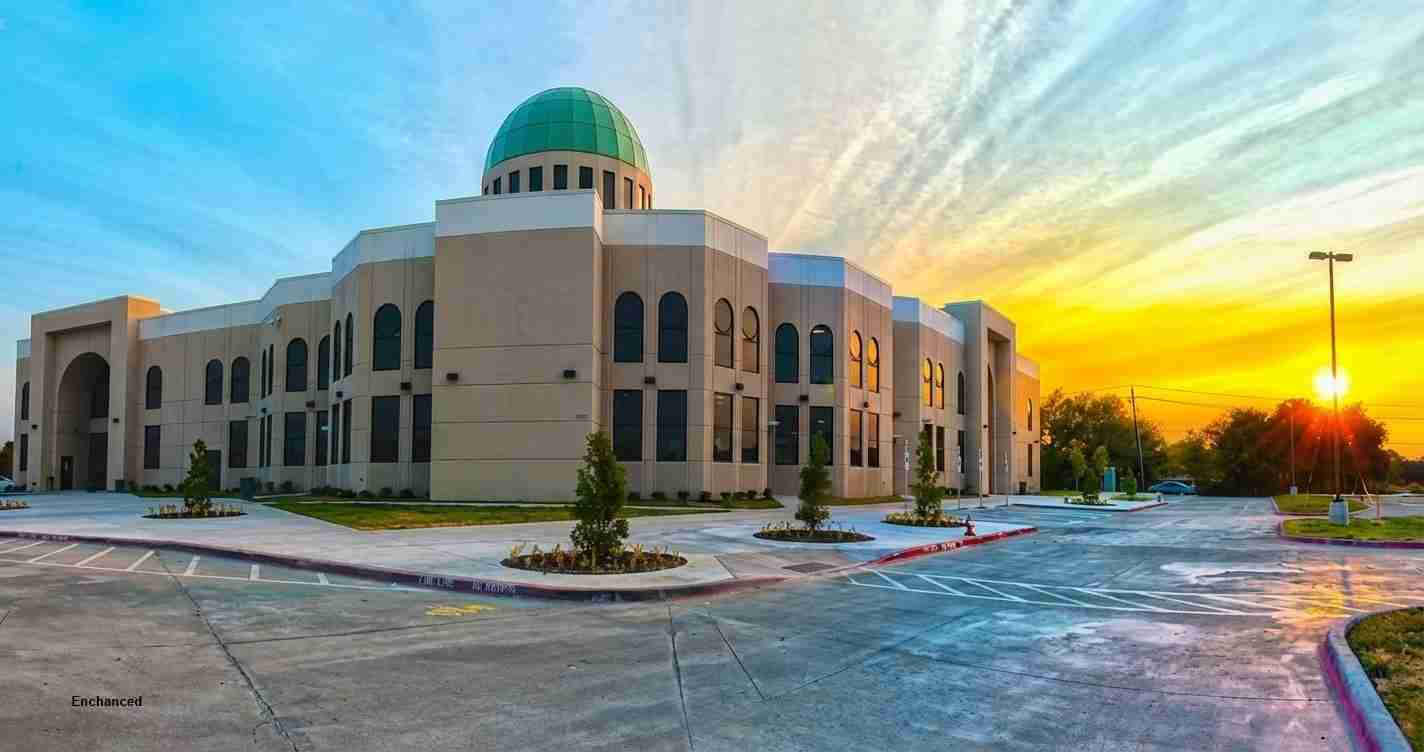
Texas AG sues Plano development over alleged fraudulent fundraising and unlawful “Muslim‑only” marketing for EPIC City / The Meadow
Texas Attorney General Ken Paxton sued developers of EPIC City/The Meadow, alleging widespread fraudulent fundraising, securities violations and unlawful “Muslim‑only” marketing, and seeks court orders to stop the planned master‑planned community near Plano after a months‑long probe.
Key takeaways
- Who: The suit targets the East Plano Islamic Center (EPIC), its corporate entity Community Capital Partners, and individual leaders tied to the project. (Source)
- What: Paxton alleges securities violations, fraudulent fundraising and unlawful religious‑exclusive marketing for a planned community branded EPIC City / The Meadow. (Source)
- Relief sought: A temporary restraining order to halt the project immediately and a permanent injunction to stop the development and bar similar schemes. (Source)
What the lawsuit alleges
Overview: The complaint, filed Dec. 5, 2025, claims EPIC and Community Capital Partners offered and sold investment interests without complying with Texas securities registration and disclosure rules and engaged in misleading, targeted marketing to Muslim audiences. (Source)
Securities and fundraising fraud
Allegations detail non‑compliance: Paxton’s office says the defendants failed to register offerings or properly verify that purchasers qualified as accredited investors where exemptions were claimed. Investigators also cite online promotional videos and undisclosed marketing materials as part of a broad, non‑compliant solicitation campaign. (Source)
The complaint further alleges fundraising materials omitted accurate information about project status, approvals and the true property location — at times misrepresenting the site as being inside the city of Josephine. (Source)
Alleged discriminatory or “Muslim‑only” marketing
State officials say the project was heavily marketed to Muslim audiences and that some promotional materials implied the neighborhood would be a Muslims‑only community. Paxton frames that conduct as potentially unlawful under state and federal fair‑housing and public‑accommodation laws, which bar advertising or structuring housing to exclude people based on religion. (Source)
Paxton’s public statements
“They engaged in a radical plot to destroy hundreds of acres of beautiful Texas land and line their own pockets,” Paxton said, vowing to “relentlessly bring the full force of the law” and declaring the “unlawful land project known as EPIC City will be stopped.”
Paxton signaled he seeks to prevent the defendants from launching similar land‑investment schemes in the future. (Source)
Investigation timeline and methods
Paxton’s office opened a probe in March 2025, collected more than 750 documents and written responses from Community Capital, referred findings to the Texas State Securities Board in November and filed suit Dec. 5. The complaint requests a temporary restraining order and permanent injunction based on securities and fraud allegations. (Source)
Who stands to lose — and what could happen next
If the state prevails, courts could halt EPIC City / The Meadow; order rescission or restitution for investors; impose civil penalties; freeze assets tied to the project; and bar key defendants from future offerings. Investors may pursue recovery via the AG action or separate civil suits. (Source)
Responses from EPIC and Community Capital
As of this report, no detailed public rebuttal from EPIC, Community Capital Partners or named individuals was included in reporting. It is common for defendants to argue compliance with securities law or that faith‑oriented marketing is lawful when housing is not restricted; those potential defenses were not quoted in public coverage. (Source)
What remains unclear
The public summary does not list exact legal counts or amounts sought, whether federal agencies such as the SEC or HUD will open parallel probes, how many investors or how much money is at stake, or whether criminal referrals will follow. Watch for rulings on the requested temporary restraining order and any amended complaints. (Source)
Context: faith‑centric communities, land use and securities law
The case sits at the crossroads of two legal tensions: marketing a development on religious identity — which risks illegal discrimination if it effectively excludes by religion — and private community projects that solicit investor funds and thus may qualify as securities offerings requiring registration and disclosure. Texas regulators view EPIC City / The Meadow as implicating both concerns. (Source)
Implications for Las Vegas, Nevada
Economic impact
Las Vegas real estate and investment communities will watch this case for enforcement signals: broad rescission or financial penalties in Texas could prompt tighter scrutiny by regulators and lenders for niche or faith‑oriented projects, potentially raising costs or slowing approvals. Investors may demand stronger disclosures and proof of securities compliance. (Source)
Political consequences
For urban moderate voters in Las Vegas, the case could sharpen scrutiny of state attorneys general using consumer‑protection and securities laws. Nevada policymakers and regulators may face pressure to review rules on private real‑estate offerings and marketing practices that center on protected classes. (Source)
Social effects and cultural relevance
A high‑profile finding about “unlawful Muslim‑only marketing” could stoke concerns about discrimination locally while prompting faith groups and developers to review outreach language and sales practices. Developers designing faith‑friendly amenities must avoid wording or rules that suggest preference or exclusion based on religion. (Source)
Practical applications for residents
- Ask whether private offerings are registered or exempt and request investor disclosures in writing.
- Seek legal or broker advice before investing in private real‑estate projects marketed to niche or faith communities.
- Report suspect fundraising or discriminatory marketing to state consumer‑protection or housing agencies. (Source)
Reporting note and source
This article is based on reporting by KERA and Paxton’s public statements and filings summarized by that reporting. Full coverage and the public summary are available at: full coverage and the public summary.