SBA Suspends 111,620 California Borrowers in Pandemic Loan Fraud Sweep, Agency Says
The U.S. Small Business Administration suspended 111,620 California borrowers tied to suspected fraud in 118,489 PPP and EIDL loans totaling more than $8.6 billion, and barred them from federal programs, prompting debate over oversight and due process.
- Mass suspension: 111,620 California borrowers linked to 118,489 PPP and EIDL loans exceeding $8.6 billion, per the SBA release.
- Consequences: Suspended parties are blocked from new SBA lending, federal contracting programs (including the 8(a) Business Development Program), and other federal assistance until resolved.
- Wider effort: SBA is coordinating with law enforcement, the SBA OIG and private partner Palantir; agency estimates up to $200 billion in unaddressed pandemic-era fraud nationwide.
What the SBA announced
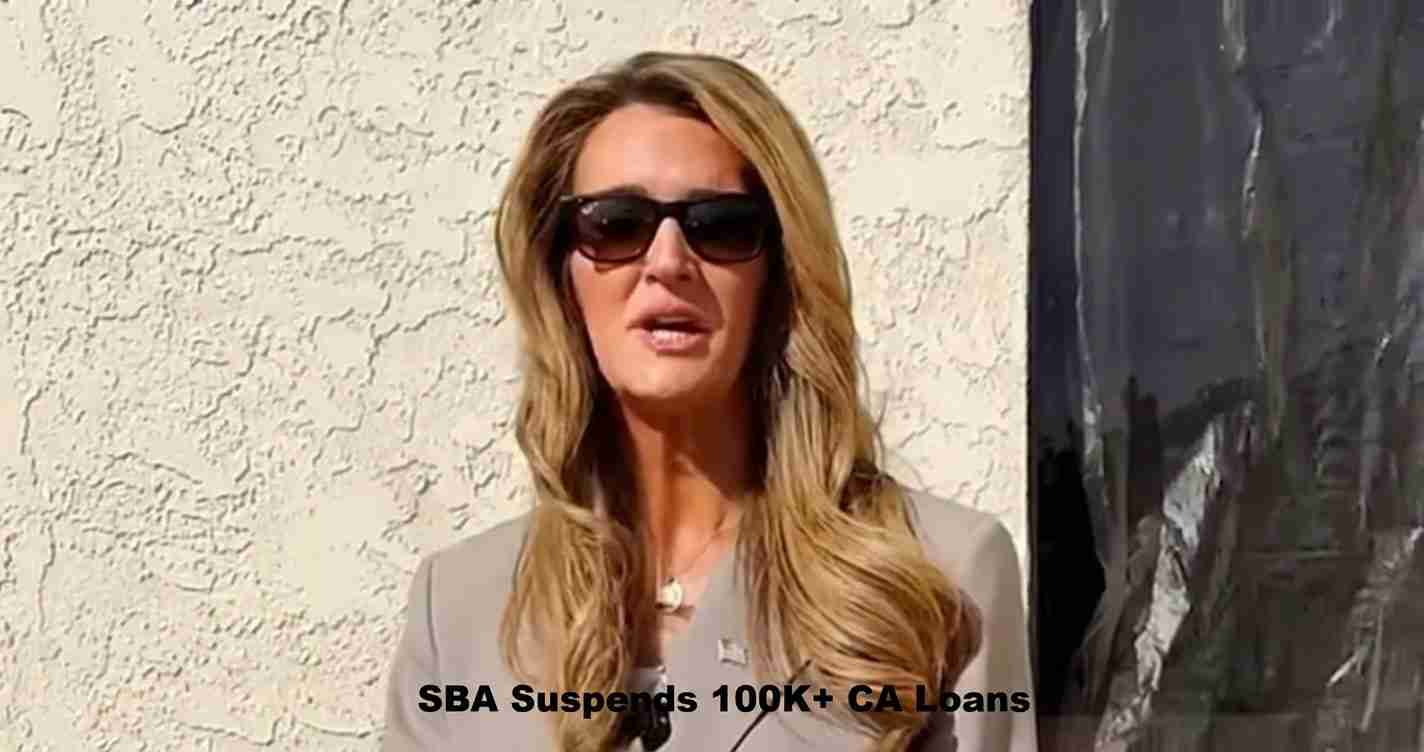
SBA Administrator Kelly Loeffler announced the California suspensions on Feb. 6, 2026, during a visit to San Diego, calling the action the “most significant crack-down” on pandemic-era fraud and framing it as an effort to deliver accountability. In her statement she said the move aims to stop those who “defrauded pandemic programs” and to recover stolen funds. See the SBA release for the agency’s announcement.
Scope and scale
The SBA said the action affects 118,489 loans across PPP and EIDL programs, totaling more than $8.6 billion. The agency characterized the suspensions as part of a national push that could result in civil penalties, criminal referrals, and efforts to recoup funds. The SBA also estimated pandemic-era programs may still contain up to $200 billion in unaddressed improper payments, underscoring the size of the problem.
Methodology and disclosures
According to the agency, the list of suspended borrowers was assembled using new analytic tools and reviews of previously approved PPP and EIDL loans. The SBA did not publish borrower names, specific loan files, or detailed evidence of alleged fraud, nor did it provide a PPP vs. EIDL breakdown or loan-size distribution. That lack of granular public data has prompted questions about how suspensions were determined and how affected borrowers can appeal. See the SBA release for agency language.
How the move fits into a wider crackdown
This California action follows prior enforcement steps by current SBA leadership. In January 2026 the agency suspended 1,091 firms from the 8(a) program for failing to provide required documents; the SBA said roughly half those firms had received about $5 billion in federal payments since 2021. The agency also cited prosecutions and sentences from 2025–2026 as examples of enforcement outcomes; see the Feb. 2 sentencing summary.
Minnesota case as a model
The SBA referenced an earlier Minnesota review that suspended about 6,900 borrowers tied to roughly $400 million in questionable loans. That action uncovered schemes targeting specific communities and resulted in criminal charges; the agency described that work as a model for broader reviews. (Reporting on the Minnesota action appears in the agency release and in news coverage such as Fox News.)
Political response and criticism
The announcement drew immediate reaction. Administrator Loeffler criticized what she described as lax oversight under the Biden administration and attributed some problems to “unaccountable welfare policies” in “blue states,” language that drew pushback. California officials called the claim “baseless” and said the SBA provided insufficient public evidence to support sweeping accusations. Legal experts cautioned that broad suspensions risk harming legitimate small businesses without due process. Independent reporting and commentary appear at National Today and Fox News.
Investigative partners and tools
The SBA said it is coordinating with federal law enforcement, the SBA Office of Inspector General (OIG), and technology partner Palantir to identify suspected fraud and pursue recoveries. The agency highlighted a shift toward analytics-driven screening and private-sector tools to flag questionable patterns.
Implications for Las Vegas, Nevada
Economic impact: Las Vegas hosts thousands of small businesses that relied on PPP and EIDL support. A nationwide sweep signals increased scrutiny; local lenders, accountants and business owners may face more audits or inquiries if regional loan patterns are flagged.
Political consequences: The move could sharpen debate over federal oversight and pandemic relief. Nevada officials may demand more transparency from the SBA on suspension methodology and due-process protections for legitimate borrowers.
Social and cultural effects: Many Las Vegas entrepreneurs are immigrant-owned or service-sector firms; broad suspensions without clear public evidence risk chilling legitimate participation in federal programs and eroding trust.
Practical steps for residents
Small businesses in Southern Nevada should preserve payroll records, loan applications, and correspondence related to PPP and EIDL funds. Owners who receive notices or are concerned about past loans should consult a small-business attorney or their local Small Business Development Center. The SBA release notes the SBA OIG accepts tips on suspected fraud.
Reporting notes and sources
This article draws on the SBA’s Feb. 6, 2026 announcement and related reporting. Primary sources and coverage include:
- U.S. Small Business Administration release (Feb. 6, 2026)
- National Today coverage
- Fox News coverage
- SBA Jan. 28, 2026 8(a) suspension notice
- SBA Feb. 2, 2026 sentencing summary
“The agency’s action aims to stop those who defrauded pandemic programs and to recover stolen funds,” the SBA said in its announcement; critics say the agency must provide clearer evidence and due-process protections.