
Raskin’s defense of Plaskett over Epstein texts draws fire as GOP censure bid fails
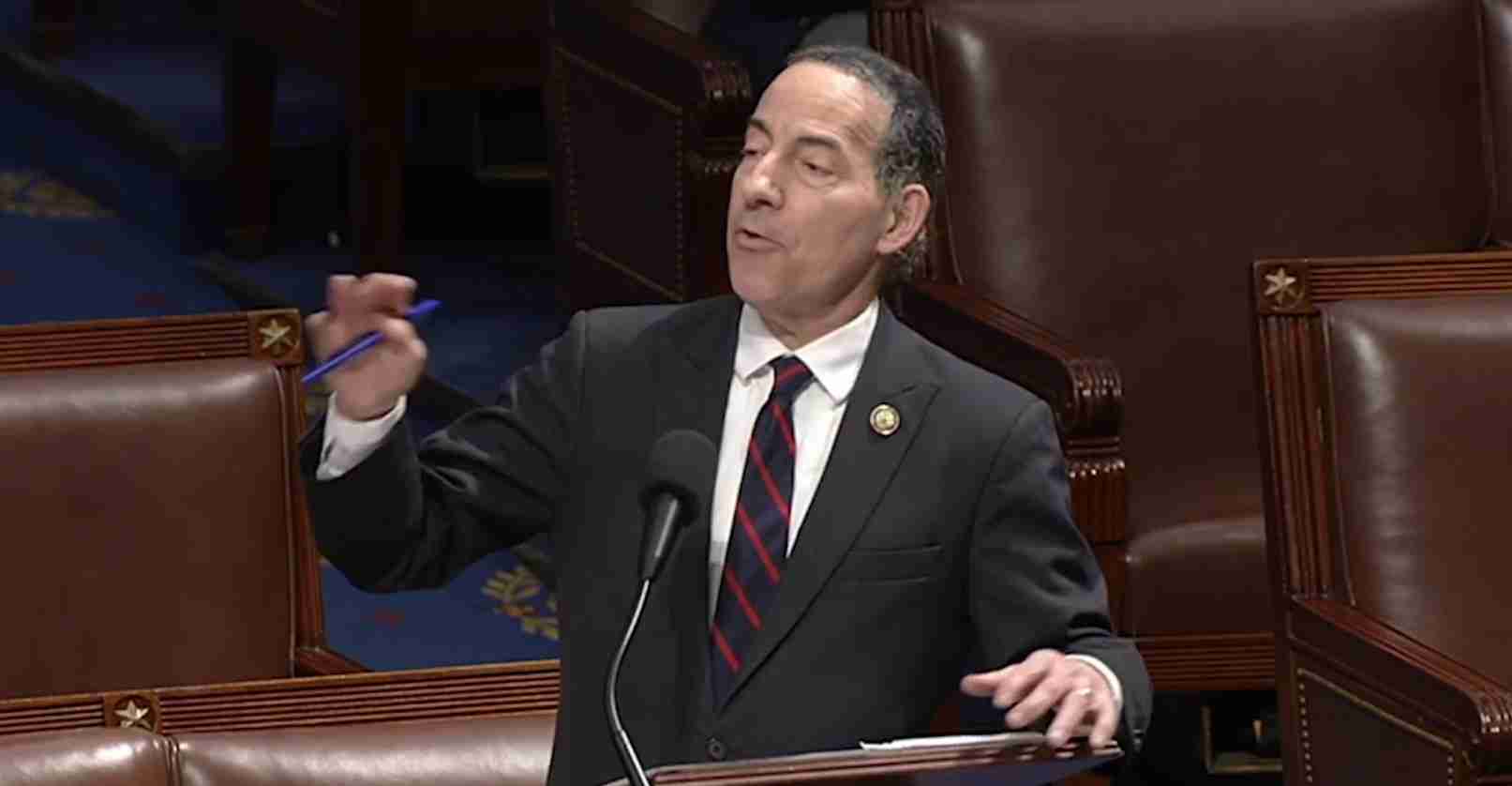
Rep. Jamie Raskin (D-Md.) drew fierce criticism after calling Rep. Stacey Plaskett’s texts with convicted sex offender Jeffrey Epstein a “constituent phone call” on the House floor, amid a failed Republican bid to censure Plaskett.
Key takeaways
- Text messages released show Plaskett exchanging messages with Jeffrey Epstein during a Feb. 27, 2019, House hearing, prompting ethics questions. (Sources: Fox News, Notus)
- Raskin defended Plaskett on the House floor as taking a constituent call; critics called the defense “sick” and “dishonest.” (Source: YouTube, Fox News video)
- GOP censure failed; the motion to censure and a separate effort to remove Plaskett from the Intelligence Committee did not pass. (Source: Axios, Notus)
Background: the Epstein texts and the hearing
The dispute stems from a public release of text messages exchanged between Rep. Stacey Plaskett and Jeffrey Epstein during a high-profile House Oversight Committee hearing on Feb. 27, 2019, which included testimony from Michael Cohen. Reporting indicates the messages showed Plaskett seeking tips on questions to ask Cohen and discussing what she was wearing, as well as other personal topics. Critics argue those messages suggest an improper relationship given Epstein’s criminal history. (Sources: Fox News, Notus)
What Raskin said on the floor
Rep. Jamie Raskin moved to block the censure effort and addressed colleagues directly, arguing Plaskett was effectively taking a phone call from a constituent and that mere communication with Epstein did not by itself violate House rules. Raskin urged that any further review belong to the House Ethics Committee rather than immediate censure.
“They want to give them another headline, which is that they’ve arraigned a Democratic member for taking a phone call from her constituent… I don’t think there’s any rule here against taking phone calls in a hearing.” — Rep. Jamie Raskin (video: YouTube)
Republican censure effort and GOP arguments
House Republicans, led by Rep. Ralph Norman (R-S.C.), introduced a resolution to censure Plaskett for what they described as “inappropriate coordination with convicted sex offender Jeffrey Epstein.” Republicans highlighted passages in the messages and argued the exchanges were more than casual constituent communications. On the floor Rep. Norman said: “She texted him, the sex offender. These are facts. These are text messages. They aren’t smoke and mirrors.” (Sources: Fox News, Notus)
Critics: ‘sick’ and ‘dishonest’ responses to Jamie Raskin’s defense
Raskin’s characterization drew immediate backlash from conservative commentators and some journalists. The White House Rapid Response team called the remarks “sick”, while reporter Lee Fang called the defense “incredibly dishonest.” Critics pointed to reporting alleging Plaskett sought campaign donations from Epstein-linked sources, met with Epstein in person, and had connections to Virgin Islands entities with dealings linked to him—details used to argue the relationship could be deeper than a simple constituent contact. (Sources: Fox News, Notus, Fox News video)
Plaskett’s response and context
Plaskett defended her actions, saying that at the time of the texts there was “no public knowledge” Epstein faced federal investigation and that he was a constituent of the Virgin Islands. She said she did not believe the communications were improper. Supporters emphasized Plaskett’s long record representing Virgin Islands interests and urged that any allegations be resolved through a full ethics review. (Source: Fox News)
Outcome: censure fails, committee removal effort falls short
The Republican motion to censure Plaskett failed; some GOP members joined Democrats in voting down the resolution. A separate effort to remove Plaskett from the House Intelligence Committee also did not pass. House leaders signaled that the appropriate channel for allegations is the House Ethics Committee if warranted, weighing political stakes, the need for clear norms, and limits on punishments absent formal ethics findings. (Sources: Notus, Axios)
Context on Plaskett’s alleged ties to Epstein
Critics pointed to a broader record of alleged ties — meetings, local Virgin Islands economic activity, and reported outreach to Epstein-linked sources — to suggest links beyond the text messages. These accounts remain contested; Raskin and Plaskett maintain that the messages alone do not prove ethics violations. Readers should weigh competing claims and await any formal Ethics Committee findings for definitive conclusions. (Sources: Fox News, Notus)
House rules, ethics process and standards
Lawmakers debated whether an explicit House rule bans phone calls or texts during hearings. Raskin argued the absence of a clear rule counseled against immediate censure and favored the Ethics Committee process. Republicans countered that ethical concerns include the appearance of impropriety, not only rule text. The episode highlights tension between political judgment and formal ethics enforcement in Congress. (Source: YouTube)
Implications for Las Vegas, Nevada
Though the case involves a Virgin Islands member, the debate affects constituents and candidates in places like Las Vegas:
- Political trust and accountability: Urban moderates in Las Vegas value transparency; the episode may reinforce concerns about accountability and influence local messaging on ethics reforms.
- Local campaigns and messaging: Candidates and parties in Clark County could use the dispute to press for clearer standards and independent oversight.
- Federal oversight and constituent services: Perceptions of the Ethics Committee process may affect expectations for timely, transparent reviews when local members face similar questions.
- Social and cultural effects: High-profile scandals can influence tourism and business confidence, prompting local leaders to stress high standards for federal representatives.
- Practical impact on daily life: Voter engagement, turnout, and candidate positioning in upcoming primaries and general elections may be shaped by how parties handle alleged misconduct.
Reporting notes and sources
This article draws on reporting and House floor video. Key sources include coverage and video cited throughout the story:



