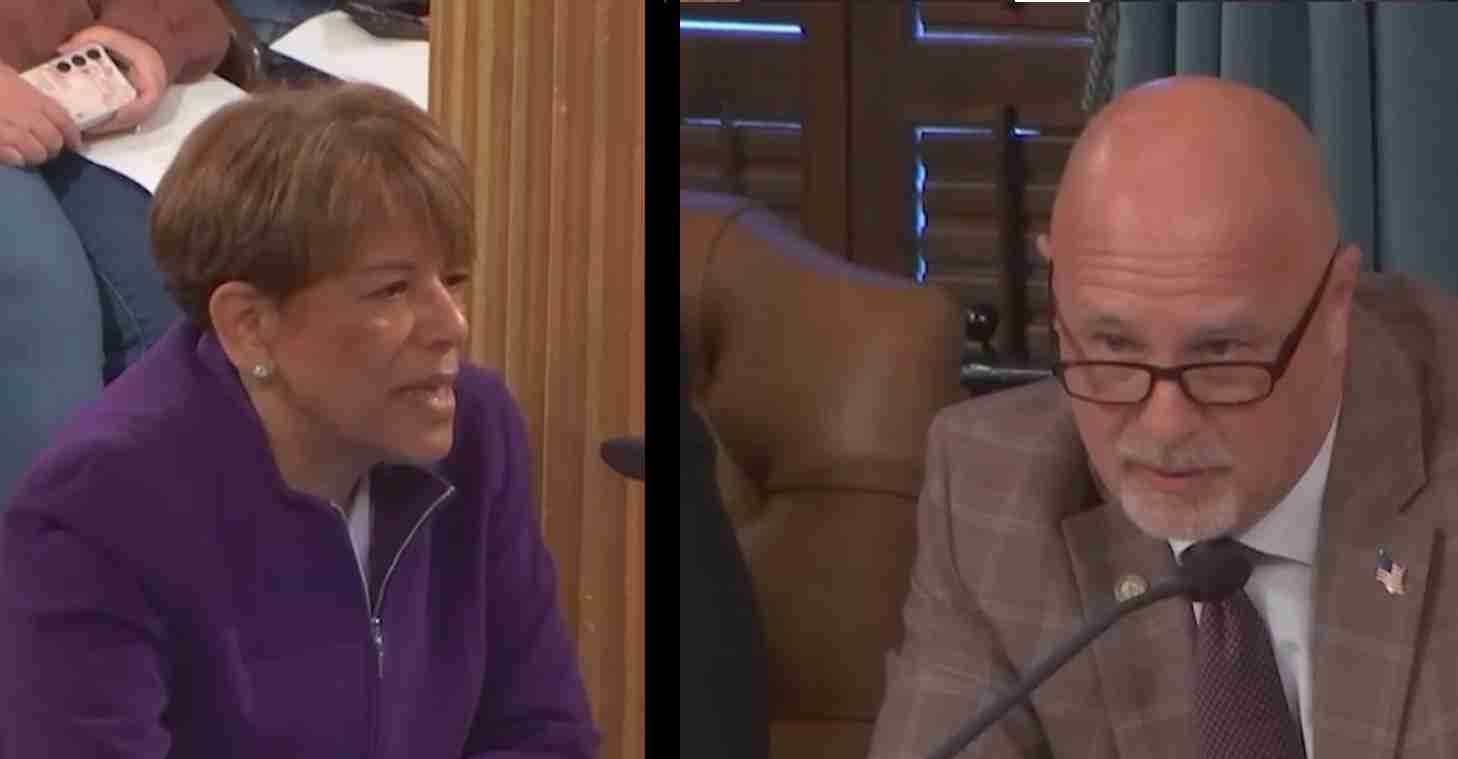
NJ school board member Danielle Bellomo says she was targeted in ‘vile’ text scandal: “They wanted me dead”
Marlboro school board member Danielle Bellomo says she was targeted with hateful, threatening group and direct text messages—including comments wishing for her death—sparking local outrage, a protective order and national attention over school board harassment.
Key takeaways
- Threats and harassment: Bellomo received group and direct texts with crude insults and messages wishing for her death tied to local school board disputes.
- Legal actions: A judge extended a protective order against Matesh Gandhi, though the local prosecutor declined to file criminal charges recommended by police.
- Personal impact: The family reports lasting emotional and safety concerns; Bellomo says she will not resign and continues to press for parental-rights oversight.
- Broader debate: The episode highlights national tensions over parental rights, school curriculum oversight and the safety of local officials.
The threat allegations and the group chat
Bellomo told reporters and residents the harassment arrived via group text messages and direct texts linked to people connected with the Marlboro Township Board of Education. She described one group chat as having a title so vile it shocked community members who saw it. Participants allegedly traded mockery, crude insults and messages that hoped for her death.
“his ‘mission is to just’ watch her die alone” — wording attributed to Matesh Gandhi in police records and reporting.
Reports and police records point to comments attributed to Matesh Gandhi, the husband of another board member. Those records quote Gandhi using derogatory language and the phrase that his “mission is to just” watch Bellomo die alone; the comments have been cited in legal filings and local coverage. For public reporting and video coverage, see Video coverage and reporting and for additional written reporting see Additional reporting on Bellomo and the threats.
Incidents captured publicly
A separate episode circulated on social media involved a former board candidate who reportedly made crude remarks about Bellomo’s appearance while she sat a few feet away during a public meeting. That exchange was recorded by attendees and later shared online, intensifying community reaction and scrutiny of board conduct.
Bellomo’s background and role
Bellomo has volunteered in Marlboro schools and served on the school board for more than a decade. She runs on platforms of transparency, stronger parental involvement and curriculum oversight — positions that have placed her at the center of heated local debates over what parents may access and influence in classrooms.
Supporters describe her as deeply involved in district life; critics and opponents say the fights over curriculum can become sharp and personal, especially as national political language filters into local meetings.
Impact on Bellomo and her family
Bellomo says the harassment has changed daily life for her and her children. Her teenage son has become more cautious about going out with friends; her 8‑year‑old cries on nights when Bellomo has board meetings; and her youngest repeatedly asks whether she is safe. Her oldest child saw the comments online and was deeply affected.
Practical changes: Bellomo reports avoiding school events, keeping children home more often, and family members taking steps to limit exposure and reduce perceived risk. Despite these impacts, she has stated she will not resign, calling her work on parental rights and curriculum transparency too important to abandon.
Legal response and official actions
Law enforcement investigated after the threats and reportedly recommended criminal charges. A judge extended a protective order against Matesh Gandhi while the matter moved toward a full hearing. However, the local prosecutor ultimately declined to press criminal charges, a decision that left Bellomo feeling unprotected.
Bellomo says she sought help from district leaders; she reports that the superintendent and board president took no formal action despite district policies prohibiting threats on school property. Only two fellow board members publicly demanded protection on her behalf, according to interviews and legal filings covered in local media.
Community response and national attention
The controversy sparked outrage among Marlboro parents and drew national attention. Many called the messages disgusting and dangerous; for some, the case symbolizes how school board disputes have escalated nationally since debates over curricula and classroom materials became politicized.
Critics warn that publicity can deepen divisions and discourage civic participation. The prosecutor’s decision not to file charges leaves legal questions that community members and observers say will shape future behavior at meetings and online.
Broader implications for parental-rights debates
The episode feeds into national conversations about the treatment and safety of school board members who take public stances on parental rights and curriculum. Advocates for parental involvement point to this case as evidence of the risks parents and volunteers face; opponents say it shows the need for civility, clearer online conduct rules and stronger enforcement.
Observers urged clearer district policies, consistent law enforcement response when threats are reported, and de-escalation training for school communities so adult disputes do not overshadow student needs.
Implications for Las Vegas, Nevada
Economic impact: Incidents like Marlboro’s can raise security costs, legal fees and staff time in Las Vegas-area districts, potentially influencing budgets and bond votes.
Political consequences: Local board disputes can become political flashpoints in competitive districts such as Clark County, energizing voters and shaping candidate vetting and responses to threats.
Social effects and cultural relevance: Fear of harassment may reduce parental participation in public meetings in diverse urban regions like Las Vegas, undermining community trust. Local leaders can use the story to push for standards of conduct and training for moderating heated public comment periods.
Practical applications: Nevada districts can review codes of conduct, reporting paths and law enforcement coordination, and educate parents on documenting threats and seeking help. Candidate forums and board meetings can adopt stronger moderation to protect volunteers and staff.