Michigan education official’s stumble on “how many genders” fuels wider fight over sex ed standards
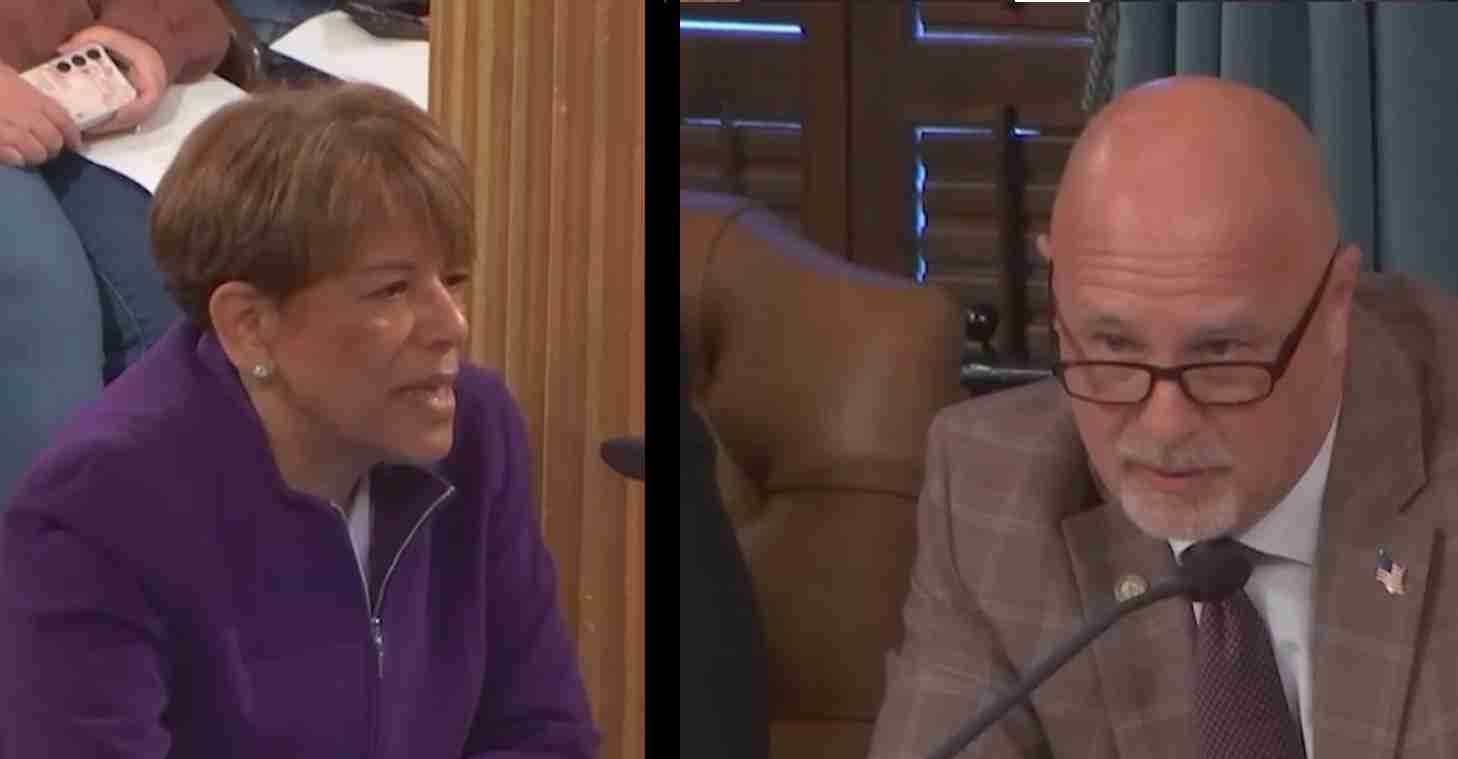
Michigan Interim State Superintendent Sue Carnell sparked controversy after she declined to name a number of genders during an October hearing on updated health and sex education standards, prompting viral clips, criticism and a House subpoena into MDE policy work.
Key takeaways
- Sue Carnell, interim state superintendent for the Michigan Department of Education, did not provide a numeral when asked how many genders exist during an October House Oversight Committee hearing.
- Clips of the exchange went viral, drawing sharp criticism from conservatives and prompting House Republicans to seek internal MDE documents and a subpoena.
- The adopted Michigan guidance (November 2025) recommends instruction on gender identity and sexual orientation but leaves curricular decisions to local districts and allows opt-outs.
- The episode has broader political and local implications, including potential effects on Nevada and Las Vegas school politics and community tensions.
Main story
What happened at the hearing
During an October session of the Michigan House Oversight Committee, Republican Rep. Jaime Greene asked Sue Carnell to state how many genders there are. Carnell declined to supply a numeral, instead stressing the department’s commitment to inclusivity and that the guidance was intended to support diverse students while leaving curricular choices to local districts. Short video clips of the exchange were posted and amplified on social platforms, where critics accused the department of evasion and ideological bias.
“Beyond embarrassing,” commentators on conservative platforms said, using the moment to attack the standards as ideological.
Policy backdrop and what the standards say
The State Board of Education adopted updated health and sex education guidance in November 2025. The finalized standards recommend including instruction on gender identity and sexual orientation as part of comprehensive health education, but the guidance is advisory rather than mandatory. Local districts retain curricular control and parents can opt children out. The board and the Michigan Department of Education have emphasized the recommendations aim to meet student needs while protecting parental rights.
Reporting on the process and the board vote is available from Bridge Michigan and the Detroit Free Press.
Why the exchange went viral
Short clips of Carnell’s answer (and non-answer) were widely shared, particularly across conservative media networks. Opponents used the footage to argue that education officials were promoting what they call “gender ideology” without clear definitions or parental accountability. Supporters countered that focusing on a single exchange obscured the broader substance of the standards and the protections they offer to students. The public comment period drew strong attention; Bridge Michigan reported more than 1,300 public comments spanning opposition and support.
Political fallout and legislative action
House Republicans sought internal communications from the Michigan Department of Education and moved to subpoena documents related to how the standards were developed. GOP lawmakers said transparency was necessary to ensure that standards did not bypass parents’ rights. The subpoena effort heightened tensions between the legislature and the State Board of Education and showed how a brief hearing exchange can drive formal political responses.
See the GOP statement on the subpoena at Michigan House GOP and reporting at Michigan Capitol Confidential.
Voices on both sides
Supporters of the guidance argue it reflects how many young people understand gender and that inclusive language and resources help protect vulnerable students, particularly LGBTQ+ youth. Critics contend the standards risk introducing controversial ideas in ways that can infringe on parental authority or expand “gender theory” beyond health instruction. The MDE and the State Board stress the guidance is not a mandate and that local districts determine classroom content.
Legal and broader context
Michigan law now includes explicit protections against discrimination based on gender identity, an expansion influenced in part by recent changes to the Elliott-Larsen Civil Rights Act. That legal framework informed the board’s approach and added complexity to debates about balancing civil-rights protections with parental concerns. Opponents have signaled potential legal challenges; lawsuits and further legislative action remain possible.
Implications for Las Vegas, Nevada
Economic impact: High-profile state education fights can draw national advocacy groups and donors into local races, potentially shifting priorities and budgets in Clark County and statewide.
Political consequences: The Michigan episode offers messaging playbooks for local Nevada actors — either to defend inclusive policies or to push for clearer definitions and parental controls — and could affect turnout in local elections.
Social effects: Debates like Michigan’s can increase anxiety among students and families, prompt more public comment at school board meetings, and generate higher rates of opt-outs or parental demands for curriculum changes.
Practical steps for Nevada districts: Review policies to clarify recommended versus required topics; publish clear parent guides; hold community forums; and affirm processes for protecting student privacy and parental notification.
Where Las Vegas residents can watch next
Although the incident centers on Michigan policy, local policymakers and school board members nationwide are watching. Nevada parents and educators should follow reporting and local school board activity, engage in public comment periods, and seek clear communication from district leaders to limit misinformation and reduce conflict.