Milan Winter Olympics protests turn violent near Santagiulia Hockey Arena as police use water cannons and tear gas
Thousands of protesters clashed with police in Milan on Feb. 7, 2026, near the Santagiulia Ice Hockey Arena and Olympic Village, as officers used water cannon and tear gas after a breakaway group turned violent.
Key takeaways
- When and where: Violence erupted on Saturday, Feb. 7, 2026, in Milan’s Corvetto neighborhood near the Santagiulia Ice Hockey Arena and the Olympic Village.
- Police response: Riot units used water cannon and tear gas after masked protesters set off smoke bombs, flares and threw objects; at least five arrests were reported.
- Organizers and motives: The Unsustainable Olympics Committee led a large march criticizing environmental, economic and social costs and the presence of ICE agents.
- Security alert: Global Guardian issued a travel advisory warning of heightened disruption and recommending avoiding protests and bypassing affected routes.
Main content
What happened
A mass demonstration organized by the Unsustainable Olympics Committee drew thousands through Milan on Saturday. The march began peacefully but a masked group broke away near the Corvetto neighborhood, close to the Santagiulia Ice Hockey Arena and the Olympic Village where roughly 1,500 athletes are staying.
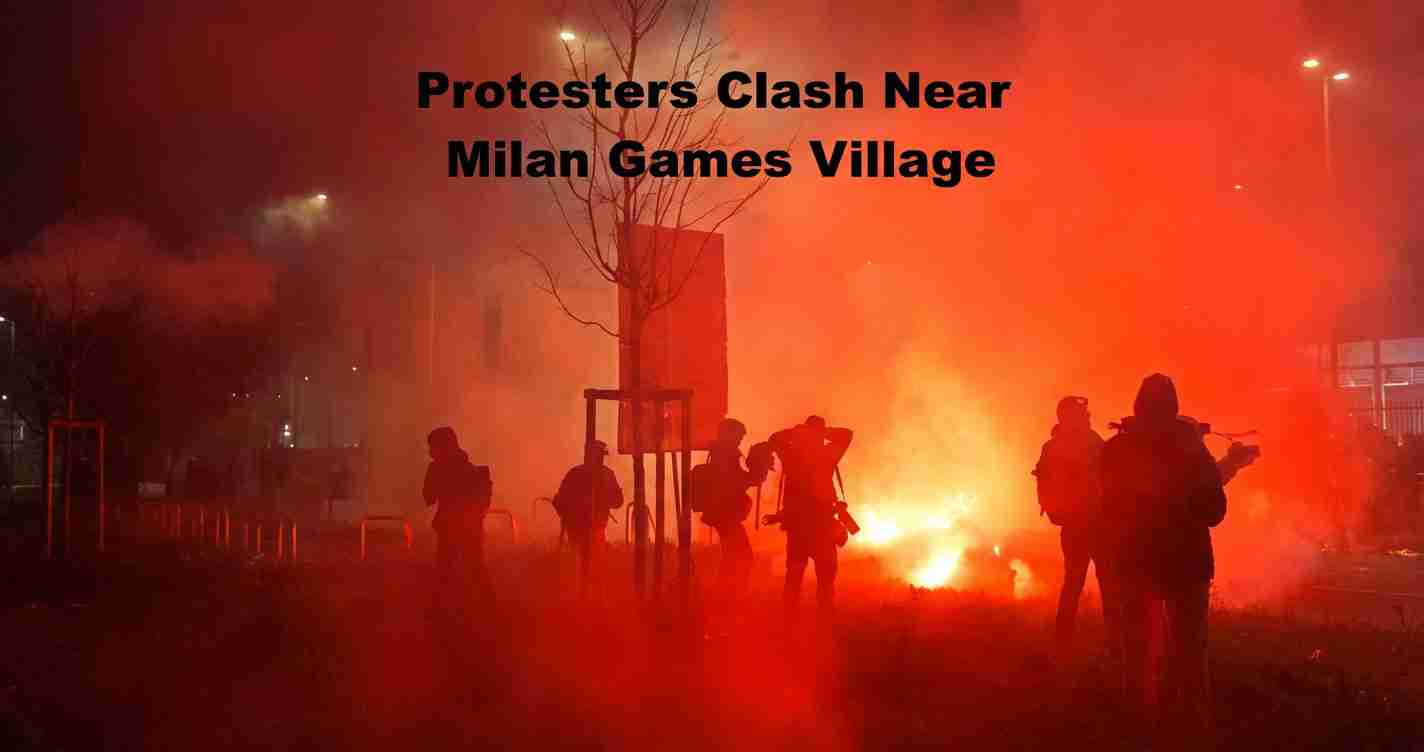
Around a bridge overlooking a construction site roughly half a mile (about 800 meters) from the Olympic Village, the breakaway group set off smoke bombs, firecrackers and flares. Footage shows confrontations with riot-geared police, who used water cannon and fired tear gas to disperse the crowd after objects were thrown at officers.
Authorities later said the situation was under control and police maintained a presence near Santagiulia and the Olympic Village while investigations and security checks continued.
Who organized the protests and why
The demonstration was led by the Unsustainable Olympics Committee, which framed the action as opposition to wasteful spending, rising housing costs and development that favors large projects over local needs. Critics warned that new Olympic facilities built amid Milan’s post-2016 World Expo property boom could become underused “white elephants.” Some protesters also voiced opposition to the presence of U.S. Immigration and Customs Enforcement (ICE) agents in Italy during the Games.
Police response, arrests and injuries
Italian police reported using water cannon and firing tear gas after being targeted with flares, firecrackers and other objects. Video shows officers advancing, retreating and then re-establishing control. Authorities detained at least five people. There were no immediate reports of major injuries among protesters, police or Olympic personnel; officials described the situation as tense but contained by early evening.
Santagiulia Hockey Arena under scrutiny
The clashes occurred a few steps from the Santagiulia Ice Hockey Arena, a venue that has faced criticism for construction delays and concerns about rink dimensions and standards. Those issues have amplified complaints about planning and oversight for Olympic sites and helped fuel the protest narrative about misallocated public funds and rushed development. Opponents say the arena symbolizes the Games’ prioritization of high-profile projects over community needs.
Security alert and travel disruption
Global Guardian, a private international security firm, issued a travel alert warning of heightened security measures and possible disruptions, advising people to bypass affected routes and avoid protests. The advisory warned that security forces would remain on heightened alert for several hours and urged travelers and residents to expect road closures and increased checkpoints.
Visual record and reporting
Multiple videos from news outlets and social media captured smoke near the bridge, masked protesters setting off devices, and police in riot gear responding with crowd-control measures. Local and international reporting aligned on the chain of events: a large march, a breakaway group, violent exchanges, and police intervention.
How this fits into a larger debate
The protest is part of a broader, long-running debate in Milan and other host cities over the value and cost of staging major sporting events. Opponents point to rising housing costs, long-term upkeep of specialized venues, and public funds diverted to construction rather than social programs. Supporters argue the Games bring investment, tourism and global attention. Saturday’s confrontation illustrated how visible planning and delivery issues—such as delayed venues—can escalate tensions into unrest.
Implications for Las Vegas, Nevada
- Economic and tourism ties: Disruptions at high-profile events like the Milan Winter Olympics can affect travel patterns, insurance and security costs for event planners in Las Vegas and may prompt short-term booking shifts.
- Security planning: Nevada officials and private security firms may reassess contingency plans, staging areas, access routes and emergency communications after observing the rapid escalation in Milan.
- Political and social lessons: Urban voters and leaders in Las Vegas could use Saturday’s events as a reminder to prioritize transparent planning and community benefits when approving large-scale projects.
- Practical travel effects: Travelers from Las Vegas heading to Europe for the Games should monitor travel advisories, expect heightened checks and possible route changes; local agencies and consulates often reroute clients when security alerts are issued.
Reporting notes and sources
This account draws on on-the-ground video and reporting. See full coverage and raw footage at the following sources:
Note: Authorities said the situation was under control later Saturday, with police maintaining a presence near Santagiulia and around the Olympic Village while investigations and security checks continued. The events renewed scrutiny of the Games’ local legacy and raised questions about balancing major international events with community needs.