Trump-backed Matt Van Epps wins Tennessee 7th District special election, keeps seat in GOP hands
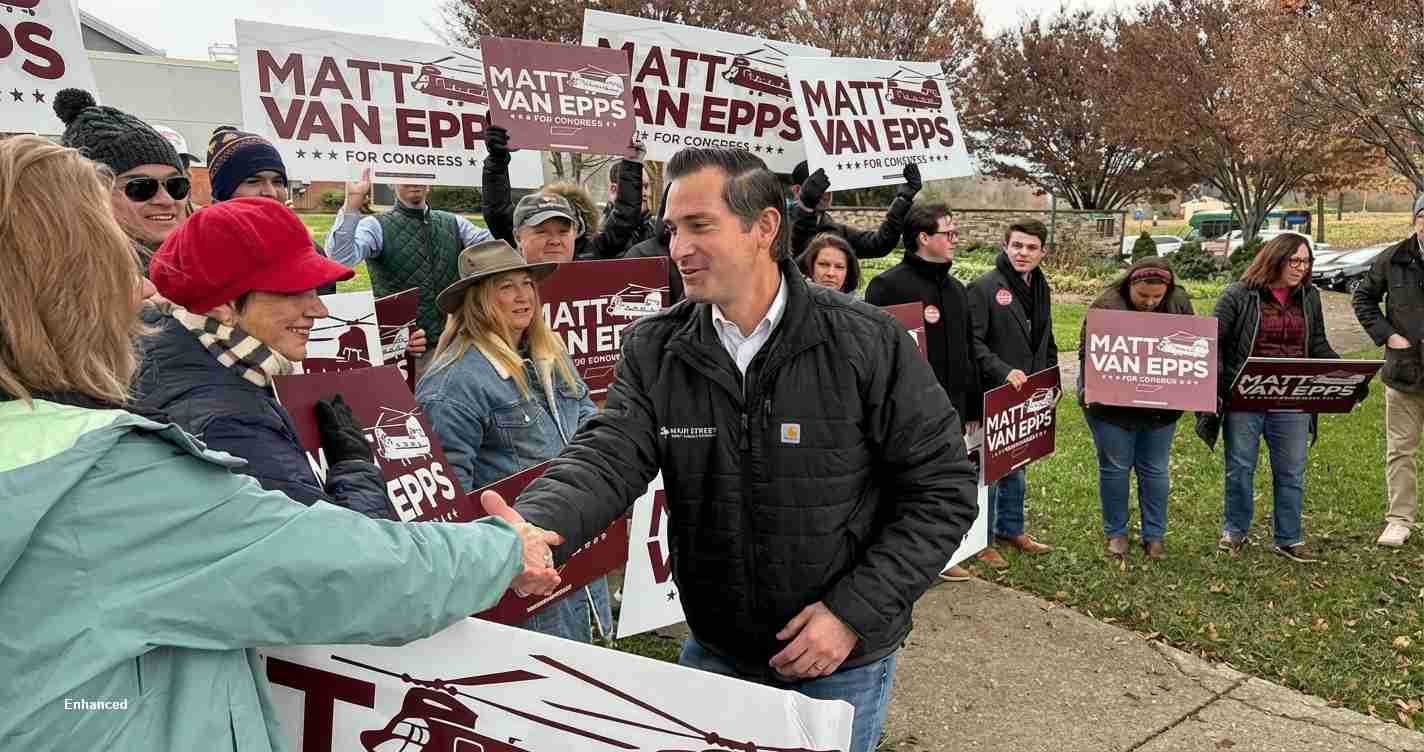
Republican Matt Van Epps, backed by Donald Trump, won the Tennessee 7th District special election on December 2, 2025, defeating Democrat Aftyn Behn to fill Mark Green’s vacancy and keep the seat in Republican hands through Jan. 3, 2027.
Key takeaways
- Winner: Matt Van Epps (Republican) — 96,988 votes (53.9%)
- Runner-up: Aftyn Behn (Democrat) — 81,044 votes (45.0%)
- Margin: 8.9 percentage points; Van Epps will serve the remainder of the 119th Congress (through Jan. 3, 2027)
- Context: Seat vacated when Rep. Mark Green resigned July 20, 2025
Main content
Election results
Final tallies gave Matt Van Epps 96,988 votes (53.9%) and Aftyn Behn 81,044 votes (45.0%), a margin of roughly 15,900 votes and about 8.9 percentage points. These totals are drawn from the official compilation of the special election and post-election analysis.
Sources reporting the outcome include LethbridgeNewsNow and the election summary on Wikipedia.
The result in context
Van Epps, a military veteran and former Tennessee Department of General Services commissioner from Nashville, ran as a strong ally of former President Donald Trump. He publicly thanked Trump for his support after the win, as reported by local coverage from LethbridgeNewsNow.
“Running from Trump is how you lose. Running with Trump is how you win,” Van Epps said, crediting Trump’s “unwavering support” for helping propel him to victory.
Political takeaway: The win kept a historically Republican seat in GOP hands and served as an early indicator for the 2026 midterm environment, demonstrating that a Trump-aligned candidate can still prevail in suburban and exurban districts.
How the campaign unfolded
The special election was called after Rep. Mark Green resigned July 20, 2025, creating the vacancy. The opening led to a competitive Republican primary and a spirited general election that drew national attention.
Primary battles
Van Epps won the Republican primary on Oct. 7, 2025, taking 51.56% of the vote (19,006 votes) and defeating Jody Barrett, who received 25.33%. Barrett carried Dickson and Hickman counties, but Van Epps prevailed in 12 of the district’s 14 counties. These primary results are summarized in the election compilation on Wikipedia.
On the Democratic side, state Rep. Aftyn Behn narrowly won her primary after strong showings in more populous counties, including Montgomery and Davidson, setting up the general election contest.
Polling and turnout
Late polling showed a close contest: an Emerson College poll (Nov. 22–24) had Van Epps 48% and Behn 46%, with others and undecided composing the remainder. Early in-person voting ran Nov. 12–26, 2025, and turnout reflected the district’s engaged electorate for a special race.
Final tallies, as posted in the official compilation, show Van Epps’ 96,988 to Behn’s 81,044, with Democrats improving their vote share from 2024 by roughly 6.95 percentage points per post-election analysis (Wikipedia).
Why the race mattered
Both parties treated the special election as a barometer for 2026. For Republicans, holding the seat — and doing so with a candidate who embraced Trump — suggested the former president’s influence remains potent in parts of the country. For Democrats, the closer-than-expected margin signaled potential pathways to competitiveness with strong candidates and turnout-focused campaigns.
National groups used the race to test messaging and field operations; post-election lessons will help shape where parties allocate resources in 2026.
What Van Epps’ win means in Congress
Van Epps will serve the remainder of the 119th Congress, with his term ending Jan. 3, 2027. As a public Trump ally, he is likely to align with GOP leadership on key votes and may pursue committee assignments and legislative priorities consistent with that alignment. His military background and state-level experience suggest potential focus areas including veterans’ issues and federal-state partnership programs.
Implications for Las Vegas, Nevada
Economic and federal funding impacts: Van Epps’ committee choices and voting patterns could indirectly affect federal funding streams relevant to Nevada, including veterans’ benefits and infrastructure priorities that influence Las Vegas projects.
Political consequences for local campaigns: Nevada strategists may study the race for lessons on suburban persuasion, messaging tied to national figures, and turnout operations. Fundraising priorities and resource allocation by national committees could shift based on this and similar special-election outcomes.
Practical applications for residents: Las Vegas community groups, unions, and business coalitions should monitor congressional committee composition and begin early outreach ahead of the 2026 midterms, using this race as a case study for turnout and messaging.
Source attribution and reporting notes
This account draws on local election reporting and compiled sources, notably LethbridgeNewsNow and the election summary on Wikipedia. Vote totals, percentages, primary dates, and early voting windows are based on the official compilation of the special election.
Reporting note: Van Epps’ post-victory statements and praise for Trump were reported by local coverage at LethbridgeNewsNow.
Reporting and next steps
The Tennessee 7th District special election serves as an early test of party mobilization and messaging ahead of 2026. Matt Van Epps’ victory, the product of a contested primary and a decisive general-election showing (53.9% of the vote), keeps the seat in GOP hands and offers practical lessons for campaigns and civic organizations nationwide.