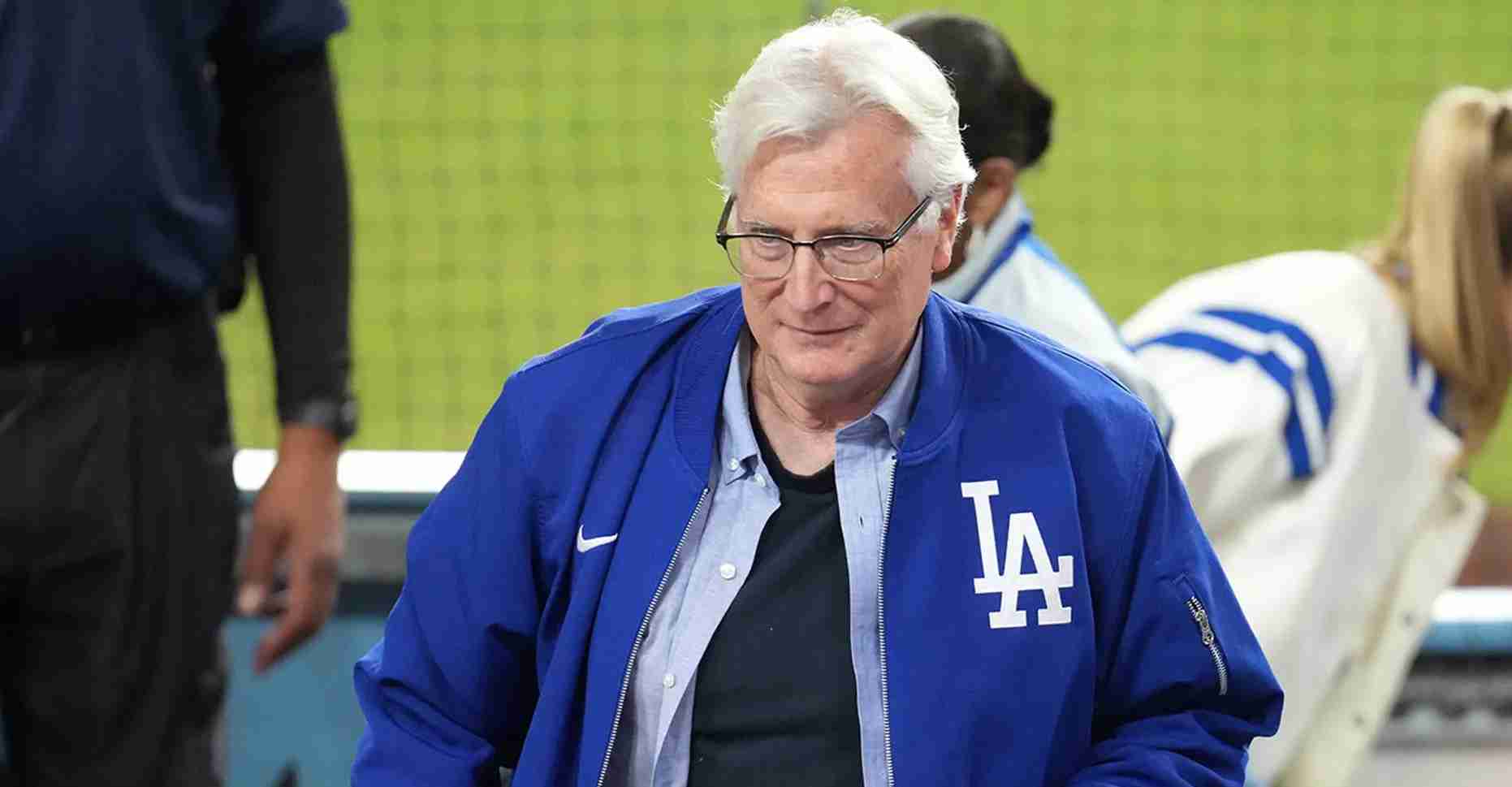
Mark Walter buys Lakers in record-setting $10 billion sale, ending nearly 50 years of Buss family majority ownership
Mark Walter, co-owner of the Los Angeles Dodgers and Guggenheim Partners, acquired a majority stake in the Los Angeles Lakers for a record-setting $10 billion in June 2025, ending nearly 50 years of Buss family majority ownership.
Key takeaways
- Record sale: The Lakers were sold for $10 billion, the highest price ever paid for a professional sports team.
- Ownership split: Mark Walter and Todd Boehly control roughly 85% together; the Buss family retains 15% and Jeanie Buss remains team governor.
- Timing and continuity: Transaction closed in June 2025 with no immediate overhaul of day-to-day operations planned.
- Broader impact: The sale underscores rising valuations, media-rights growth and cross-ownership trends among major sports investors.
Main story
Key information
- Buyer: Mark Walter (TWG Global), chairman of the Los Angeles Dodgers and co‑founder of Guggenheim Partners.
- Sale value: $10 billion, the highest price ever paid for a professional sports team (Fox Business, Front Office Sports).
- Ownership split: Walter and partner Todd Boehly together control roughly 85%; the Buss family retains ~15% and Jeanie Buss remains team governor.
- Timing: Transaction announced and finalized in June 2025 (Los Angeles Times, ESPN).
- Historical context: Jerry Buss bought the Lakers in 1979 for $67.5 million; the Buss family had majority control since then (Front Office Sports, Fox Business).
Sale details and ownership structure
Under the reported terms, Mark Walter will be the majority owner while Todd Boehly will act as a limited partner. Together they will control roughly 85% of the franchise, while the Buss family retains a 15% stake, meeting NBA requirements for a team governor’s minimum ownership. The arrangement preserves continuity by keeping Jeanie Buss as team governor.
Why $10 billion matters
The Lakers’ valuation sets a new benchmark in global sports finance. Earlier in 2025 the Boston Celtics sold for $6.1 billion — a record at the time — but the Lakers’ $10 billion sale far surpasses that figure. The price reflects escalating media rights, global fan engagement, sponsorship growth and the Lakers’ unique brand power (Front Office Sports, Fox Business).
Context and history: From Jerry Buss to Jeanie Buss
The Lakers became a national and global brand after Jerry Buss purchased the team (and the Forum and NHL’s Kings) in 1979 for $67.5 million. Over nearly five decades, the Buss family guided the franchise through dynastic eras. After Jerry Buss’s death in 2013, ownership stakes passed to his children and Jeanie Buss has served as team governor since 2013 — a role she will continue under the new ownership structure (Front Office Sports, Fox Business).
Mark Walter’s sports holdings and business reach
Mark Walter is a prominent figure in multi-billion-dollar sports investments. He is chairman and controlling owner of the Los Angeles Dodgers and co-founder of Guggenheim Partners. Walter and Boehly had previously purchased a 27% stake in the Lakers in 2021, setting the stage for deeper involvement (Stamford Advocate, Front Office Sports).
Governance, continuity and potential changes
Reports emphasize no immediate plans to overhaul day-to-day operations. Keeping Jeanie Buss as governor is meant to preserve continuity for fans, players and staff. That said, new majority owners commonly bring fresh strategies for revenue growth, media partnerships and global marketing — areas observers will watch closely.
“New ownership could accelerate sponsorship deals, arena partnerships and technology investments that reshape the franchise’s commercial footprint.”
Financials, valuation drivers and scrutiny
The $10 billion figure is driven by:
- Rising media and streaming rights
- Global merchandise and licensing
- Lucrative local and international sponsorships
- Cross-ownership synergies and the Lakers’ iconic brand
The sale raises questions about antitrust, league governance and the effects of concentrated sports ownership when an investor controls multiple major assets (Front Office Sports, Fox Business).
Implications for Las Vegas, Nevada
Economic impact
Las Vegas, now a major sports and entertainment hub, could see increased interest from sports-themed investments. Higher franchise valuations often translate into partnerships with casinos, hotels and streaming distributors that target tourists and event-driven spending (Fox Business, Front Office Sports).
Sports betting and tourism
As the nation’s sports-betting capital, Las Vegas could see boosted handle from new promotions and heightened media coverage tied to Lakers events. A globalized marketing push may bring preseason tours, exhibition games or branded events to the region, strengthening hotel bookings and visitor spending.
Political consequences
Political and business leaders monitor high-profile sports investments closely. The sale may influence where leaders forge partnerships and how legislative priorities adapt to courting elite sports and entertainment opportunities for the region.
Social effects
The Lakers have a deep fan base in Las Vegas. Changes to branding, game-day experiences or public engagement could ripple through local fan communities; maintaining Jeanie Buss as governor may calm concerns about abrupt cultural shifts.
Cultural relevance
The Lakers feed celebrity attention, fashion partnerships and media events that intersect with Las Vegas nightlife and hospitality. A more global marketing approach could mean more celebrity appearances, merchandising pop-ups and cross-city events benefiting local promoters.
Practical applications for residents
In the near term, viewing arrangements and local business operations are unlikely to change significantly. Residents and local operators should watch for new sponsorships, in-person events and viewing experiences. Sports books, bars and casinos may update Lakers promotions and tourist packages.
Sources and reporting
This article compiles reporting and official communications from multiple outlets: