
Seven House Democrats Break Ranks to Pass DHS Funding, Avert Shutdown Amid ICE Funding Controversy
Seven House Democrats voted with Republicans on Jan. 23, 2026 to approve a roughly $1.2 trillion spending package that funds DHS — including about $10 billion for ICE — defying party leaders while averting a Jan. 30 shutdown.
Key takeaways
- DHS bill passed narrowly, 220-207, with seven Democrats joining Republicans; only Rep. Thomas Massie (R-Ky.) voted Republican against it (Source: Fox News).
- A separate three-bill package for Defense, Education, Labor, Transportation and HHS passed 341-88, with 149 Democrats voting with Republicans (Source: Fox News).
- The bills bundle four appropriations into two packages totaling about $1.2 trillion to avert a shutdown; Senate passage remains uncertain (Sources: Fox News; Politico).
- The DHS bill funds the department at roughly $64.4 billion, including about $10 billion for ICE, a level many Democrats say lacks sufficient guardrails (Source: Time).
What passed and why it mattered
House members voted on two separate spending packages: one combined three appropriations bills covering Defense, Education, Labor, Transportation and Health and Human Services, and the other was a standalone bill for the Department of Homeland Security (DHS), which includes agencies such as Immigration and Customs Enforcement (ICE).
Leaders said splitting the measures into smaller packages made it easier to secure votes and reduce the immediate risk of a government shutdown set to begin Jan. 30. The four appropriations rolled into the two packages total roughly $1.2 trillion in federal spending — an approach lawmakers say lets negotiators focus on discrete fights rather than a single omnibus or a short-term continuing resolution (Sources: Fox News; Politico).
Vote totals and dynamics
The DHS package passed 220-207 after seven Democrats crossed party lines to join Republicans. Only one Republican, Rep. Thomas Massie (R-Ky.), voted against it. The three-bill package passed by a wider 341-88 margin, with 149 Democrats siding with Republicans. Supporters argued the votes reduced the short-term risk of a shutdown and kept key programs funded (Source: Fox News).
ICE funding and Democratic objections
At the heart of the controversy was how the bill treats ICE. The DHS appropriations provide roughly $64.4 billion to the department, with about $10 billion designated for ICE — essentially maintaining current funding levels. Negotiators inserted a few new restrictions, but many House Democrats argued they were insufficient (Source: Time).
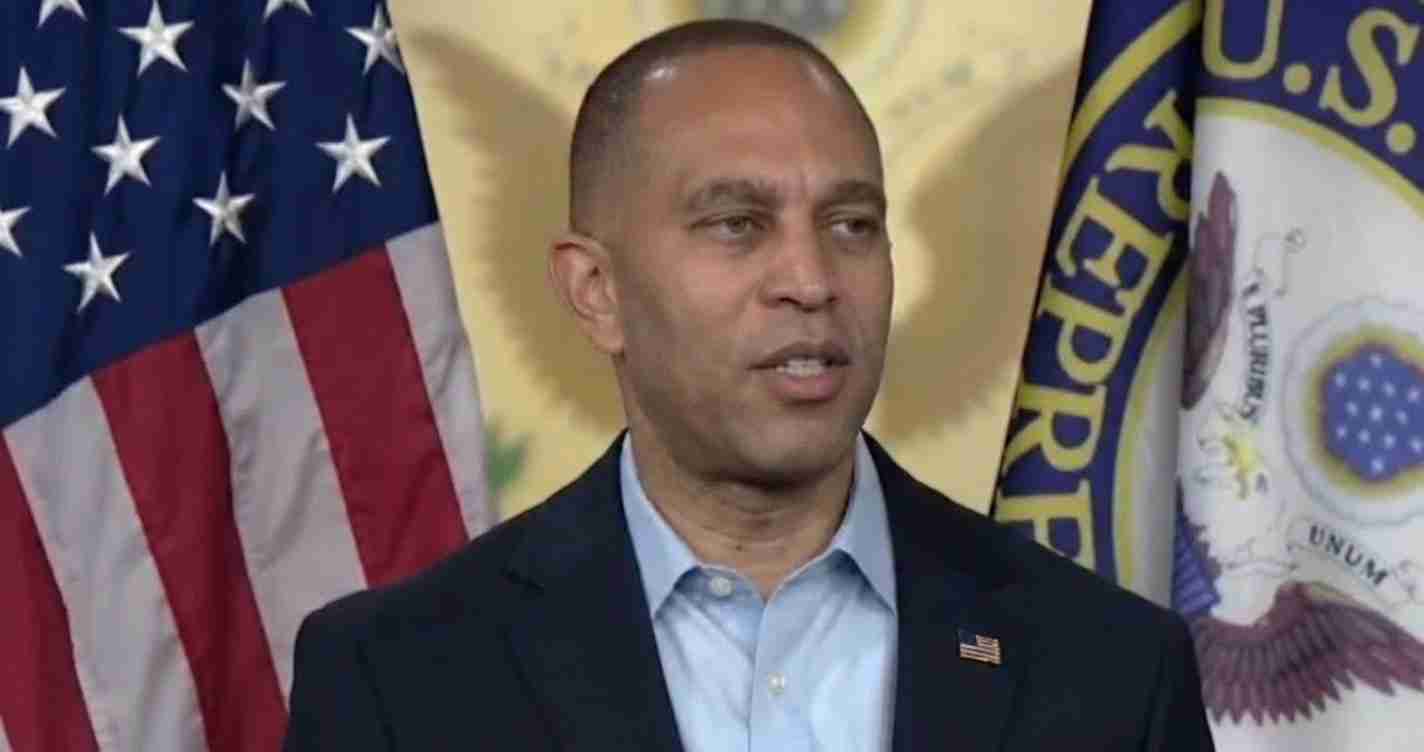
House Democratic leadership, led by Minority Leader Hakeem Jeffries, publicly opposed the DHS bill, citing ongoing reports of ICE misconduct and the bill’s failure to include stronger oversight. The debate intensified after a fatal encounter involving an ICE agent and Renee Nicole Good in Minneapolis, which amplified calls within the party for tighter restrictions (Source: Fox News).
“Many Democrats sought amendments aimed at curbing ICE authority, but several of those were ruled out by the House Rules Committee,” said advocates for stronger oversight (Source: House Rules Committee).
Blocked amendments included measures to prevent funding tied to dismantling the Flores Settlement, restrict enforcement at disaster response sites, and halt salary payments to the Homeland Security Secretary — moves that removed several options Democrats had hoped to use to tighten oversight (Source: House Rules Committee).
Why some Democrats voted yes
The seven Democrats who supported the DHS bill cited competing pressures: the need to keep government services funded, constituent concerns about stability, and the limited leverage available in the tight timeline before a shutdown. Several described the vote as pragmatic — preserving pay for federal workers and preventing service disruptions — rather than an endorsement of every policy in the bill (Source: Fox News).
Senate outlook and next steps
The Senate is scheduled to take up the two packages the week following the House votes. Passage there is uncertain: a number of Senate Democrats have expressed frustration with the DHS restrictions and may push for changes. Sen. Chris Murphy, the top-ranking Democrat on the Senate Homeland Security Appropriations panel, said he would not support the package despite participating in negotiations, highlighting divisions among Democrats that could slow final approval (Sources: Fox News; Time).
Context: how Congress is handling spending this year
Leaders from both parties have signaled a preference for a piecemeal approach this year — passing several smaller spending packages instead of a single omnibus or a short-term continuing resolution. Supporters say the strategy allows focus on specific policy fights; critics warn it forces difficult trade-offs on individual bills (Source: Politico).
Implications for Las Vegas, Nevada
Economic impact
Nevada’s economy — heavily reliant on tourism, hospitality and federal contracts — stands to benefit if a shutdown is averted. Continued federal payroll and funding for defense, health programs and transportation projects can stabilize jobs and local contracts. If the Senate delays or amends the bills, projects and programs could face uncertainty (Source: Politico).
Immigration and community effects
Las Vegas has a large immigrant and Latino population. The ice funding debate and the degree of enforcement guardrails could affect local policing, community relations and organizing. Local immigrant-rights groups and leaders have long pushed for stricter oversight; congressional outcomes may intensify advocacy in Nevada (Sources: Time; Fox News).
Public safety and emergency response
The Rules Committee blocked amendments that would restrict immigration enforcement at disaster response sites. Nevada faces wildfire and flood risks; any limits on enforcement during disasters could affect federal-local coordination. Local officials will monitor language in the final law addressing enforcement at disaster scenes (Source: House Rules Committee).
Political consequences at home
The seven Democrats’ votes may become campaign issues in Nevada. Moderates may frame the votes as pragmatic, while progressives may view them as insufficient oversight. Expect these splits to feature in upcoming local and statewide races (Sources: Fox News; Time).
Practical effects for residents
For Nevadans who rely on federal services — veterans’ benefits, social programs and transportation funding — the House votes reduce short-term risk of interruptions. However, uncertainty remains until the Senate acts and the president signs the bills. Residents should monitor local announcements about program continuity in case of Senate action or delays (Sources: Politico; Time).
Reporting notes and sources
This report is based on roll-call results and coverage from major outlets and committee materials. Links for reference:
- Fox News: House Democrats break ranks on DHS funding, despite ICE backlash
- Time: ICE funding bill details
- Politico: Live updates on House rules and spending bills
- House Rules Committee: PIH FY2026 Homeland Appropriations
The Senate’s response next week will determine whether the House action keeps the government open past Jan. 30 and how disagreements over ICE funding and oversight are ultimately resolved.



