Jeffries Spars With CBS Host Over ‘Rigged’ Midterms, Defends Democrats as ‘No Election Deniers’
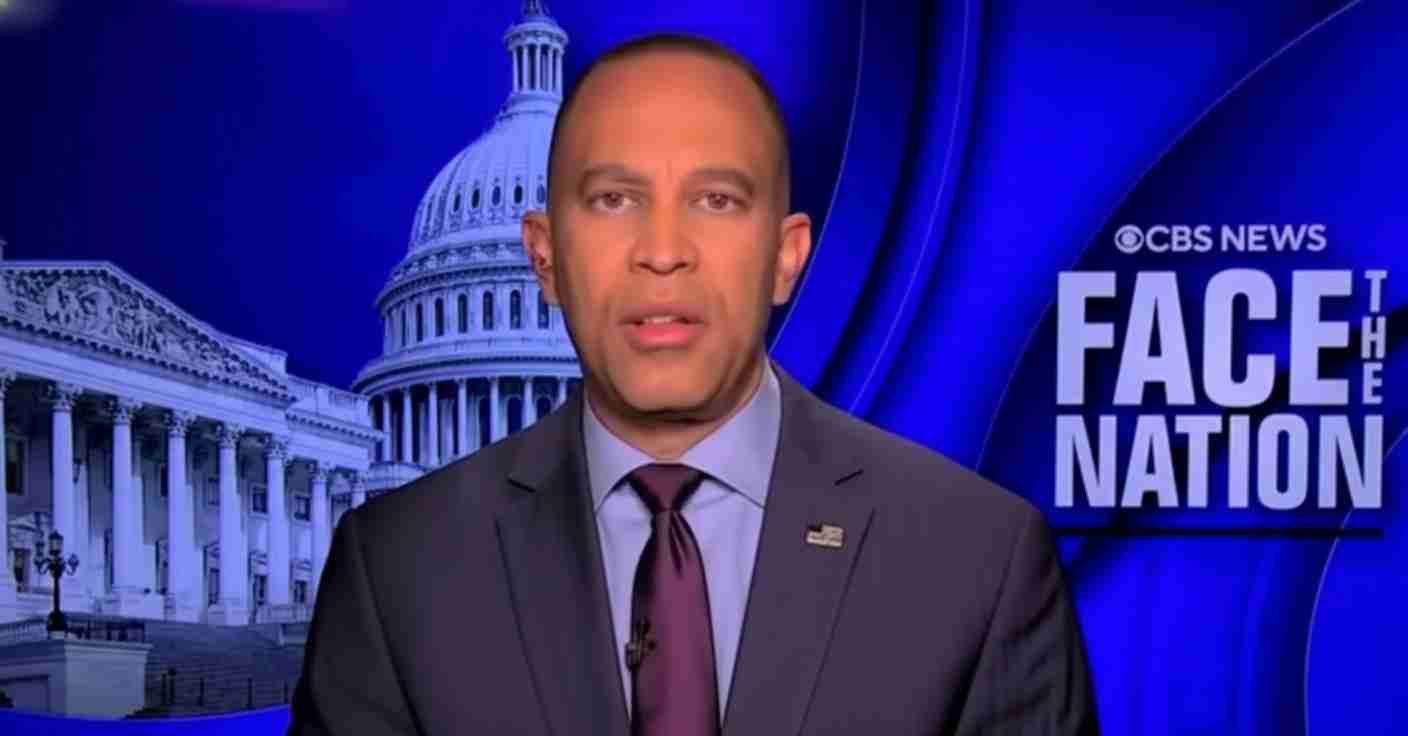
House Minority Leader Hakeem Jeffries warns Republican-led redistricting could “rig” the 2026 midterms while insisting Democrats have “no election deniers,” sparking national debate over gerrymandering, rhetoric and California’s contentious Proposition 50.
Key takeaways
- Jeffries warns that Republican-led redistricting could effectively allow politicians to pick voters rather than voters choosing representatives; he framed the issue as a threat to fair contests. Jeffries has warned
- He argues Democratic leaders are not “election deniers,” distinguishing complaints about legal redistricting and foreign interference from false mass-fraud claims. CBS interview coverage
- Republicans and critics say the rhetoric undermines trust in elections and point to past Jeffries remarks tied to 2016 as evidence of inconsistency. Time analysis
- California’s Proposition 50 has become a flashpoint in redistricting battles, prompting national attention and debate about who should draw maps. California’s Proposition 50
What Jeffries said and why it says it matters
Jeffries has repeatedly framed the upcoming midterms as being under threat because of new congressional maps in states controlled by Republicans. He told supporters and reporters that some GOP legislatures are “allowing politicians to choose their own voters,” a claim tied to his office’s public statements. Jeffries’ office statement
In interviews — including on CBS — he was pressed whether warnings about “rigged” elections echo the post-2020 election-denial language. Jeffries pushed back, drawing a line between baseless mass-fraud claims and documented legal or legislative tactics such as gerrymandering or foreign interference. He also stated, “there are no election deniers in the Democratic Party.”
Media and Republican response
Journalists and Republican leaders probed the apparent tension: if Democrats are not election deniers, why warn the public that contests could be “rigged”? Interviewers warned such language can erode public trust in outcomes — a central concern after 2020. Time and other outlets chronicled the pushback.
Republicans cited Jeffries’ earlier comments about the 2016 presidential election — in which he linked the result to Russian interference — to label him inconsistent or an “election denier.” Jeffries’ defenders counter that the two issues are different: one references foreign meddling and intelligence assessments; the other targets legal redistricting tactics.
Gerrymandering, Proposition 50 and escalation
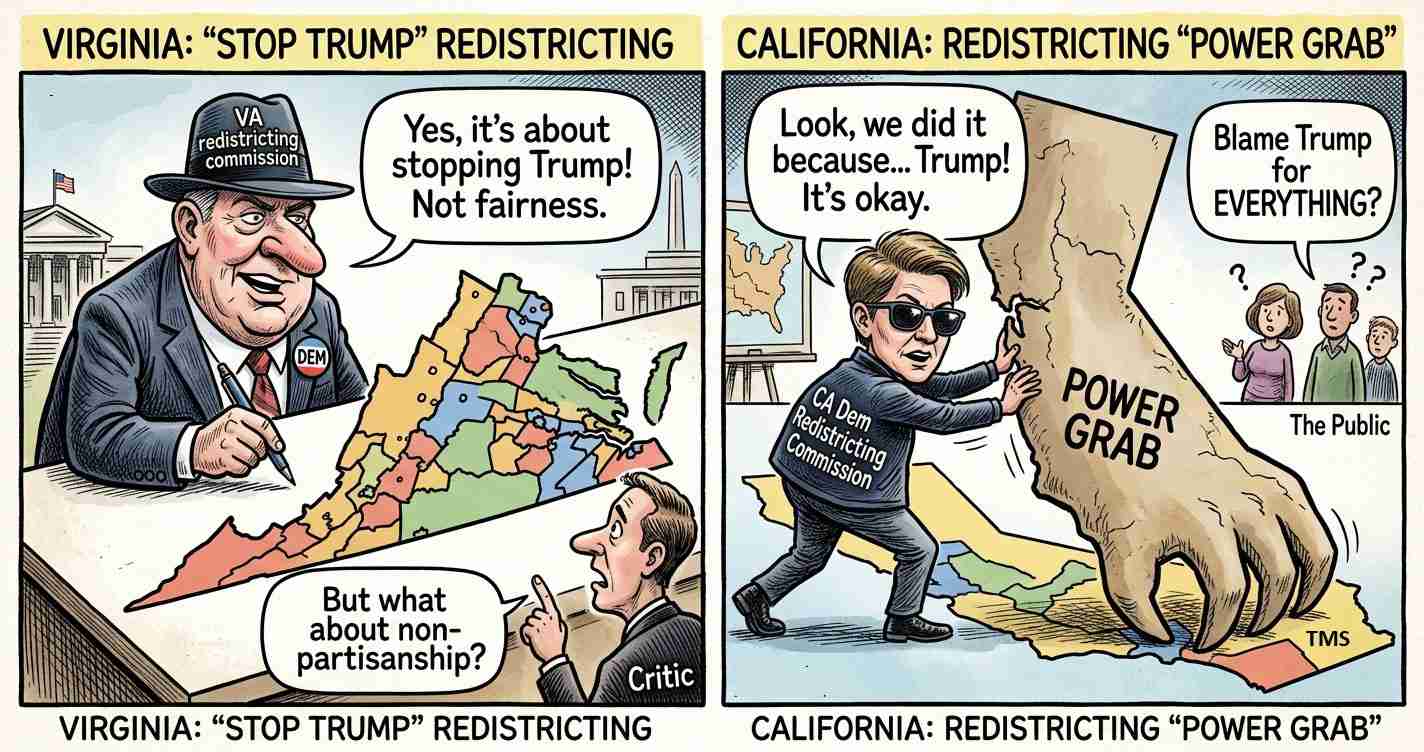
Redistricting after the census and court rulings has produced intense fights over map lines. Critics call some new maps extreme partisan gerrymanders that can lock in advantage for a decade; supporters say aggressive map-drawing is a lawful exercise of state power.
California’s Proposition 50 became a polarizing example: the 2025 measure would shift map-drawing authority back toward the state legislature in certain cases, a change critics say could advantage Democrats while proponents call it a response to GOP gerrymanders. The rollout triggered national attention from nonpartisan groups, voting-rights organizations and political committees.
How experts define “election denial”
Legal scholars and voting-rights experts distinguish between unsubstantiated mass-fraud claims — widely labeled “election denial” after 2020 — and concerns about documented legal processes, redistricting or proven interference. The Brennan Center research and other analyses outline how false claims differ from legitimate legal challenges or partisan map-drawing critiques.
Democratic leaders reject the “election denier” label when citing gerrymandering or court rulings; critics argue that any rhetoric that undermines confidence in results can harm democratic norms. Much of the debate now revolves around language, intent and political theater as much as legal briefs and map lines.
What Jeffries’ messaging looks like on the ground
Jeffries has launched a nationwide campaign urging Democrats to push back against state-level maps they say will unfairly tilt power. His office has published memos and statements calling for coordinated Democratic responses from coast to coast.
Reporters ask whether such messaging risks the same damage Democrats attributed to Republicans after 2020 — fostering doubt about winners before votes are cast. Jeffries emphasizes the claimed difference between warning about legal maneuvers and repeating falsehoods about ballot counts; analysts and fact-checkers continue to parse evidence and intent. See additional coverage in reporting such as the AOL report and other outlets.
Implications for Las Vegas, Nevada
Economic impact
Nevada’s economy relies on stable governance and predictability. Fierce national fights over redistricting and voter confidence can affect investor and tourism sentiment, especially if legal challenges draw federal scrutiny or tie up state resources. Local businesses monitor Washington rhetoric because federal funding and rules can shift with control of Congress. Jeffries’ memo
Political consequences
Las Vegas sits in a state with competitive districts. National leaders framing contests as “rigged” may spur higher turnout and more intense local campaigns. Nevada’s independent redistricting commission and state lawmakers could become focal points in a broader tug-of-war over map fairness. Proposition 50 developments elsewhere have driven national attention.
Social effects
Heated national language on election legitimacy can seep into local discourse. Civic organizations and election officials in Clark County may face more requests for transparency, monitoring or public education — straining volunteer groups and local election infrastructure during high-stakes ballots. For context on official refutations of false claims, see the Brennan Center research.
Practical applications
For Las Vegas voters: check your registration, follow local election office updates about polling places and monitor state redistricting moves that could change district lines. Local newsrooms and civic groups will be key sources for reliable information as the national debate continues.