Two federal judges order SNAP benefits to continue during shutdown as courts intervene
Two federal judges, including Judge Indira Talwani, ordered the Trump administration to continue SNAP benefits during a government shutdown, protecting millions from losing food assistance after 25 Democratic-led states warned of imminent harm, prompting emergency court orders.
Key takeaways
- Emergency orders kept SNAP payments flowing: Federal judges issued emergency remedies to require continued SNAP payments so millions would not face an abrupt loss of benefits — see video reporting on the emergency rulings and hearings.
- Judge Indira Talwani’s hearing: In Massachusetts, Judge Talwani presided over arguments from 25 Democratic-led states and appeared sympathetic to claims that stopping benefits would cause serious harm (video reporting on the emergency rulings and hearings).
- Administration response: The Trump administration said it would seek clarification from the courts on how to legally fund SNAP during the shutdown and indicated it would comply if ordered (video reporting on the emergency rulings and hearings).
- Policy vs. emergency relief: Later policy changes in the One Big Beautiful Bill Act of 2025 implementation altered SNAP rules, but those are distinct from the narrow emergency court orders.
Emergency rulings to keep benefits flowing
When appropriations lapsed during a shutdown, judges intervened to prevent immediate harm. Two federal judges issued emergency orders directing agencies to use available authorities or emergency measures so families would not see SNAP payments stop because of a funding lapse. Advocates and state officials warned a halt could force millions to forgo food or face sudden hardship.
“Immediate and irreparable harm” — state filings argued that stopping SNAP during the shutdown would inflict immediate and irreparable harm on low-income families, seniors, children, and people with disabilities.
Judge Indira Talwani’s role in the emergency hearing
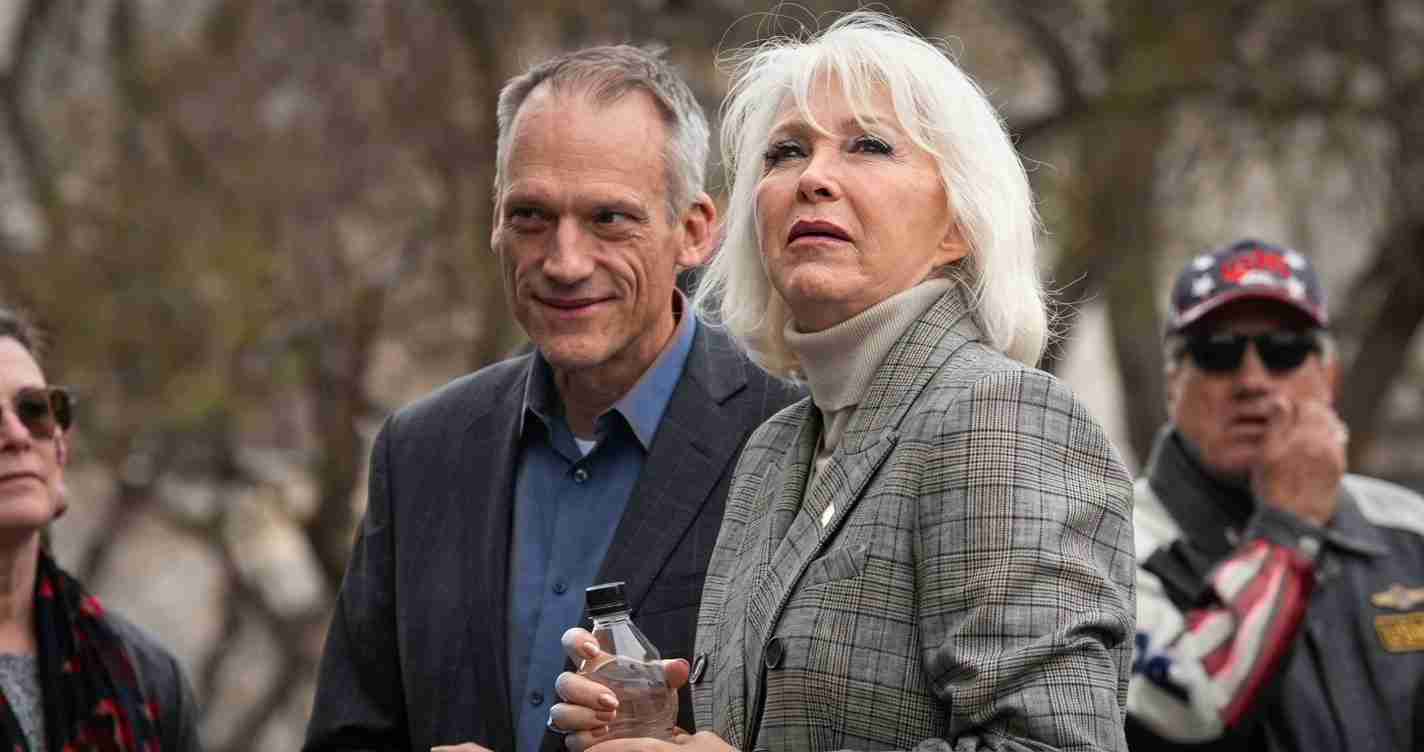
One key hearing occurred in Massachusetts, where U.S. District Judge Indira Talwani presided over arguments presented by attorneys general and officials from 25 Democratic-led states. They detailed how a pause in benefits would increase food insecurity, strain state-administered programs, and cause cascading administrative burdens.
During the hearing, Judge Talwani appeared receptive to the states’ claims, signaling that the court was prepared to issue narrow relief to preserve life-sustaining benefits while legal questions about appropriations were litigated.
How the administration responded
Following the orders, the Trump administration indicated it would seek clarification from the courts on the legal path to continue funding SNAP during the shutdown, while publicly stating it would comply with any court directive. This approach framed the executive as seeking legal guidance without disputing the immediate need to follow judicial orders.
Scope and human impact
The rulings targeted millions of SNAP recipients — including families, seniors, children, and people with disabilities. Advocates warned that even a short pause in benefits forces difficult trade-offs: skipping meals, delaying medical bills, or turning to already stretched food banks. State systems that integrate SNAP payments, enrollment, and outreach also faced potential confusion and extra costs if payments were interrupted.
Legal arguments from the states
The 25 Democratic-led states argued that courts should require the federal government to use available emergency funds or authorities to continue SNAP payments to avoid irreparable harm. Defenders of the administration cautioned that courts have limited power to order spending absent appropriations and worried about setting precedents for judicially directed budgeting. The judges balanced those concerns against the immediate humanitarian need.
Connection to later policy changes
While the emergency orders addressed immediate harm during a shutdown, SNAP later underwent broader policy changes under the One Big Beautiful Bill Act of 2025 implementation, which altered eligibility and funding rules. Those legislative changes are separate from the temporary judicial remedies aimed at preventing short-term disruption.
Why federal judges and SNAP funding questions matter
This episode highlighted the interaction between courts, the executive, and states when appropriations lapse. Judges can order agencies to take narrow steps to prevent imminent harm, but they cannot rewrite budgets. Emergency rulings are temporary measures to protect beneficiaries while political branches resolve funding disputes.
Practical steps states took after the rulings
After the orders, state human services departments coordinated distribution schedules, updated beneficiary communications, and worked with federal partners to ensure payments continued. Community groups and food banks remained on alert to assist recipients who were confused or missed payments despite judicial directives.
Implications for Las Vegas, Nevada
The emergency orders had concrete implications for Las Vegas and Clark County:
- Economic impact: Continued SNAP benefits helped stabilize household budgets and local consumer spending, reducing immediate demand shocks to grocery stores and food providers.
- Political consequences: The episode underscored tensions between state and federal leaders over safety-net protections and the need for contingency planning.
- Social effects: Preventing a pause in benefits avoided abrupt increases in food insecurity, which can affect health and school performance among children.
- Cultural relevance: Local nonprofits, faith groups, and community centers in Las Vegas play a key role in cushioning residents during federal funding uncertainty.
- Practical advice for residents: Recipients should stay informed through state agencies, keep contact information current with SNAP offices, and know local food resource partners.
Sources and further reading
– Video reporting on the emergency rulings and hearings
– USDA information on One Big Beautiful Bill Act of 2025 implementation for SNAP
Summary: The federal judges’ emergency orders, including the Massachusetts hearing led by Judge Indira Talwani, kept SNAP benefits flowing during a funding lapse and emphasized the court’s limited but vital role in averting immediate harm while larger policy debates continue.